
Pruning
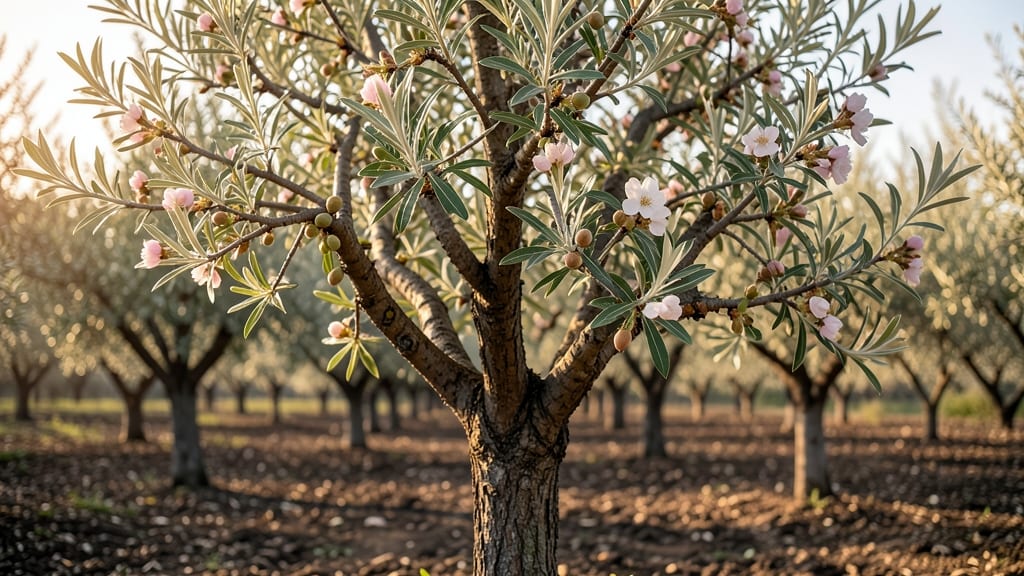
Creating the ideal almond tree environment means replicating a Mediterranean climate with hot, dry summers and mild winters, combined with well-drained soil and full sun exposure for maximum nut production. These trees flourish in areas with 200-400 frost-free days and annual rainfall between 12-20 inches.
The perfect almond tree environment isn't just about sunny days—it's about recreating the conditions where these trees naturally thrive. 🌞 In regions like California's Central Valley, the combination of warm afternoons and cool nights during growing season creates ideal flowering conditions.
I've seen firsthand how even slight deviations—like too much summer humidity or winter frost—can drastically reduce yields. For those outside traditional growing zones, container gardening with proper drainage and afternoon shade can help mimic these conditions.
Soil quality plays an equally critical role. While almond trees tolerate a range of pH levels (6.0-7.5), their roots absolutely despise soggy conditions. I always recommend amending heavy clay soils with organic matter or installing drainage systems to prevent root rot.
And don't underestimate the power of microclimates—just a few feet difference in elevation can mean the difference between thriving trees and struggling ones.
💡 In This Article
- Climate Zones Perfect for Almond Tree Cultivation
- Soil and Sun Requirements for Healthy Almond Trees
Climate zones perfect for almond tree cultivation
Almond trees belong to USDA hardiness zones 5-10, but they truly excel in zones 7-9 where they experience the classic Mediterranean climate pattern. The key is avoiding extreme cold snaps below -10°F (-23°C), which can damage flower buds crucial for next year's harvest.
In California's Central Valley, for example, winter lows typically range from 25-40°F (-4 to 4°C), creating perfect dormancy conditions without lethal frost.
Summer heat is equally critical—almond trees need daytime temperatures between 85-100°F (29-38°C) for proper pollination and nut development. The real magic happens during flowering when cool nights (50-60°F/10-15°C) followed by warm days create ideal conditions for bee activity.
In Spain's Andalusia region, this temperature pattern extends the bloom period by 2-3 weeks compared to cooler coastal areas, resulting in higher yields.
Frost sensitivity varies by variety, with 'Nonpareil' (California's favorite) able to handle 15-20°F (-9 to -7°C) for brief periods, while 'Carmel' needs protection below 25°F (-4°C).
What most growers don't realize is that late spring frosts (28-32°F/-2 to 0°C) can devastate blossoms just as they open, wiping out entire crops. This is why many commercial orchards use wind machines or sprinkler systems to raise temperatures during critical bloom windows.
Rainfall patterns matter just as much as temperature. While almond trees need 12-20 inches (300-500mm) annually, they absolutely despise wet winters or summer downpours.
In Australia's Riverina region, growers rely on supplemental irrigation during flowering to ensure pollination success, while California's drip irrigation systems deliver water precisely to roots without wetting foliage—preventing fungal diseases that thrive in humidity.
Microclimates create fascinating variations even within ideal zones. On sloped terrain, for instance, almond trees at lower elevations may experience 5-10°F (3-5°C) cooler nights than those on ridges, which can delay flowering by 1-2 weeks.
This natural staggering reduces frost risk during bloom. In urban settings, container-grown trees benefit from afternoon shade to prevent leaf scorch during 100°F+ (38°C+) heatwaves that would otherwise stress the trees.
What's particularly interesting is how these climate requirements align with almond tree biology. The species originated in Iran and Afghanistan's mountainous regions where they evolved to handle hot days and cool nights—a pattern that maximizes photosynthesis while conserving water.
This ancient adaptation explains why modern almond trees struggle in humid climates where fungal diseases like brown rot can wipe out 30-50% of crops if not properly managed.