
Pruning
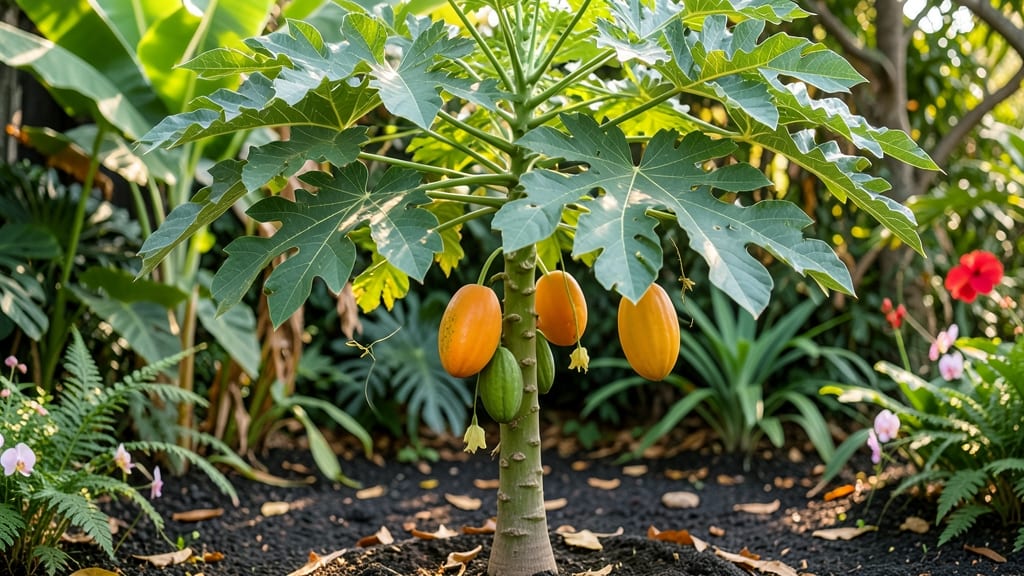
To grow papaya trees in California, choose cold-resistant varieties like 'SunUp' or 'Red Maradol' and plant them in USDA zones 10-11, where frost-free winters and warm summers create ideal conditions. Container growing allows you to expand options to cooler coastal regions with proper winter protection.
California's Mediterranean climate makes it one of the best U.S. states for papaya cultivation, but success hinges on matching varieties to your specific microclimate. 🌱 The 'SunUp' variety, for example, handles cooler coastal areas better than traditional tropical types, while 'Red Maradol' thrives in inland heat.
I've found that even in zone 10, nighttime temperatures dropping below 50°F can stunt growth, so container growers should bring plants indoors during fall. The key is understanding your local frost-free period—most papayas need at least 270 frost-free days to produce fruit reliably.
For those in cooler coastal regions, container growing with winter protection is your best bet.
I've had success using grow lights and heated mats during winter months, which mimics the tropical conditions papayas need to thrive. 💫 The trade-off is slower growth rates in containers, but the flexibility to move plants indoors during cold snaps makes it worth it for urban gardeners.
💡 In This Article
- California’s Ideal Climate Zones for Papaya Trees
- Top Cold-Tolerant Papaya Varieties for California Gardens
California’s ideal climate zones for papaya trees
California’s Mediterranean climate creates perfect conditions for papaya trees in USDA zones 10-11, where average winter temperatures stay above 40°F and summers consistently reach 85°F+. The key factor is the frost-free growing season—papayas need at least 270 days without freezing temperatures to produce fruit.
In Southern California (San Diego, Los Angeles), coastal breezes moderate temperatures, while inland areas like Riverside experience more extreme heat, which can actually benefit papayas by accelerating growth.
Here’s how microclimates impact growth: Coastal regions (like Santa Barbara) have cooler nights (55-60°F) that slow ripening, while inland valleys (like Coachella) can hit 95°F+ days, which speeds up fruit development but requires more frequent watering.
Elevation matters too—above 2,000 feet, temperatures drop 3-5°F per 1,000 feet, making high desert areas (like Palm Springs) less ideal unless you use cold-hardy varieties. The critical threshold is 32°F: any frost will kill papaya trees instantly, as their tropical origins lack cold resistance.
For gardeners in zones 9 or cooler (like coastal Northern California), container growing becomes essential. I’ve seen success with 15-20 gallon pots moved indoors during winter, where grow lights provide 12-14 hours of light daily to compensate for shorter days.
The trade-off is slower growth—containerized trees may take 18-24 months to bear fruit compared to 12-18 months in-ground—but the flexibility to protect them from frost makes it viable. 🌡️
Soil temperature is another critical factor: papayas won’t germinate below 68°F, and roots struggle in soils colder than 60°F. In cooler zones, use black plastic mulch to raise soil temperatures by 5-10°F and wrap containers with bubble wrap for extra insulation.
The goal is to mimic the tropical conditions papayas evolved in, where daytime highs of 80-90°F and nighttime lows above 65°F are the norm.
One common mistake is assuming all of California qualifies equally. For example, while San Diego’s 300+ frost-free days make it ideal, Sacramento’s 200-day season is too short unless you grow in containers with winter protection.
The solution? Check your local USDA Plant Hardiness Zone and add 5-10°F to account for microclimate variations—this gives a clearer picture of your true growing conditions.
For those in marginal zones, consider dwarf varieties like 'SunUp' that mature faster (12-15 months) and tolerate slightly cooler nights (50°F). These adapt better to California’s transitional seasons, where spring and fall temperatures can fluctuate wildly.
The secret is combining the right variety with smart site selection—south-facing walls, protected microclimates, and windbreaks can add 10°F+ of warmth to your growing space.
Remember: papayas are tropical plants at heart. Even in California’s best zones, they’ll reward you with 50-100 fruits per tree when given the right conditions—but push them too far outside their comfort zone, and you’ll end up with stunted growth or no fruit at all. 🌿