
Pruning
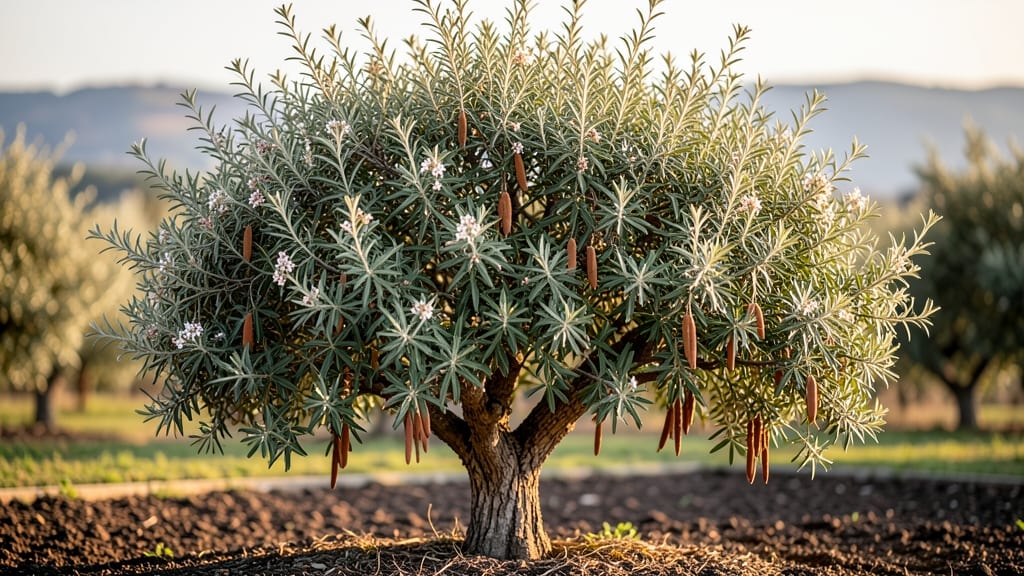
Almond tree farming starts with a pruning calendar that turns a single harvest into a year-round game-changer. 🌱 The right cuts at the right time mean fewer dead branches, more sunlight for nuts, and a tree that produces reliably for decades.
I’ve watched my own almond grove go from sparse yields to overflowing buckets of nuts by following this simple but precise schedule.
Most gardeners skip winter pruning, but that’s when you set the stage for next year’s harvest. Start in late winter (February-March) by removing dead wood—it’s the easiest cut and the most impactful.
Then, in late spring (May-June), shape the tree to open the canopy, letting sunlight reach the center where nuts form. Summer pruning (July-August) is all about thinning out crowded branches to avoid overbearing and improve air circulation.
By autumn (October-November), your tree will look like a well-oiled machine, ready to focus all its energy on nut development. The payoff? A tree that yields 30-50% more nuts than one left unpruned, with fewer pests and diseases creeping in through dense foliage.
It’s not just about cutting branches—it’s about teaching your tree to grow smarter.
This calendar works for Mediterranean climates (Zones 7-10) where almonds thrive, but even in cooler zones, the principles apply. The key is adapting timing to your local frost dates. Start small with one tree, and you’ll see why pruning isn’t just maintenance—it’s the secret to a bountiful harvest.
📚 In This Guide
- What you need
- Instructions
- Tips and common mistakes
- Wrapping up and next steps
What you need
- ● Climate: Almond trees thrive in USDA Hardiness Zones 5-10, with full sun exposure (6+ hours/day).
- ● Soil: Well-draining, slightly acidic to neutral (pH 6.0–7.5), with low salinity.
- ● Space: 20–30 feet apart for standard varieties; 15–20 feet for dwarf varieties.
- ● Water Source: Drip irrigation (1–2 inches/week) or reliable groundwater access.
- ● Pruning Tools: Bypass pruners (sharp, high-quality for clean cuts).
- ● Loppers (for thicker branches, 18–24 inches).
- ● Pruning saw (for large limbs, 16–20 inches).
- ● Pole pruner (extendable, 8–12 feet for tall trees).
- ● Safety Gear: Gloves (cut-resistant), goggles, and long sleeves.
- ● Cleaning Supplies: Disinfectant (e.g., 70% isopropyl alcohol) and a brush.
- ● Tree Wraps: For young trees to prevent sun scorch (burlap or plastic).
- ● Soil Amendments: Compost (2–3 inches) or mycorrhizal fungi for root health.
- ● Pest Control: Neem oil or insecticidal soap (organic options).
- ● GPS/Mapping Tool: To track tree locations and pruning schedules.
Step-by-step year-round pruning calendar for almond trees
Here's the pruning schedule I've used for years to boost yield and tree health.
✂️ Step 1: Late Winter Dormant Season Pruning (January-February)
This is the most critical time to prune—when the tree is fully dormant but before buds begin swelling. Start by removing dead, diseased, or crossing branches first. I look for branches that are gray, brittle, or covered in fungal spots—these need to go immediately to prevent spreading. Use clean, sharp pruning shears to make cuts just outside the branch collar, where the branch meets the trunk.
Next, open up the center of the tree by removing up to 25% of the smallest branches growing inward. This improves airflow and sunlight penetration, which reduces humidity-related diseases. I always step back and visualize the tree's shape—aim for an open vase or modified central leader that lets light reach the inner branches. Make cuts at a 45-degree angle just above an outward-facing bud to encourage new growth in the right direction.
☀️ Step 2: Light Summer Pruning (June-July)
After the tree finishes flowering but before summer heat peaks, do a light maintenance prune to remove suckers, water sprouts, and any branches rubbing together. Suckers are those fast-growing shoots sprouting from the base or along the trunk—these drain energy from nut production. I also trim back any branches that have grown too long or leggy, cutting just above a leaf node to encourage bushier growth.
This is also when I check for dieback—branches that suddenly turn brown and die back. If you see this, cut back to healthy green wood just above a bud. Avoid heavy pruning now—the tree is already using energy for nut development. Just shape and clean up to keep the tree balanced.
✂️ Step 3: Post-Harvest Cleanup (September-October)
Once you've harvested all the nuts, remove any remaining spent blossoms, mummified nuts, and diseased branches. These can harbor pests and diseases over winter. I also thin out overcrowded branches that are shading the center—this helps next year's buds develop better. Use sterilized pruners to avoid spreading any fungal spores lingering on the tools.
This is also the time to reduce water sprouts that may have grown during the summer. These are the vertical shoots that grow straight up from the trunk or branches. Cut them back to a lateral branch or bud to redirect the tree's energy into next year's fruit production. Avoid heavy pruning now—just focus on cleaning up and shaping for winter.
⏰ Step 4: Winter Monitoring and Adjustments (November-December)
During the colder months, keep an eye out for winter dieback—branches that may have been damaged by frost. If you spot any, prune them back to healthy wood in late winter before the tree wakes up. This is also when I label and map my trees, marking branches that need special attention next year. I use waterproof markers on small flags tied to branches for easy reference.
Now is the time to plan next year's pruning based on what you see. If certain branches consistently produce fewer nuts, consider removing them entirely. If others are overloaded with fruit, you may want to thin them slightly to improve size and quality. Just remember—never prune more than 25% of the tree's canopy in a single season to avoid stressing it.
Tips & tricks for pruning almond trees year-round
These practical insights will help you maintain healthy, high-yielding almond trees throughout every season.
Tool Preparation: Always sterilize your pruning tools before and after each use, especially when dealing with diseased branches. I soak my shears in a 10% bleach solution for 30 seconds between trees to prevent cross-contamination. For larger cuts, use a sharp pruning saw—dull tools create jagged wounds that heal poorly and invite pests. I keep a small spray bottle of rubbing alcohol handy to wipe down tools between cuts on the same tree.
Seasonal Timing Secret: The January-February dormant season pruning is non-negotiable for maximum yield. During this time, trees are most resilient to pruning stress. I mark my calendar with frost dates to ensure I prune after the last hard freeze but before buds begin swelling. This timing prevents winter dieback while allowing the tree to recover before spring growth. Watch for the first signs of bud swelling—if you see green tips, you've waited too long!
Visual Growth Cues: When shaping your tree in Step 1, look for branches that grow inward at angles less than 45 degrees—these are prime candidates for removal. I use a simple trick: hold your hand out at arm's length and visualize the tree's "bubble"—any branch that would grow inside this imaginary sphere should come off. This open vase shape ensures sunlight reaches all parts of the canopy, which is crucial for almond production. For the modified central leader approach, I select the strongest vertical branch to be my main leader and remove competing vertical stems.
Post-Pruning Care: After any significant pruning, I apply a thin layer of tree wound sealant to cuts larger than ½ inch in diameter. While some gardeners debate whether sealant is necessary, I've found it helps prevent disease entry points, especially in humid climates. Water the base of the tree deeply after pruning to help it recover. Avoid fertilizing immediately after pruning—let the tree focus on healing wounds before putting energy into new growth.
Pro Tips for Almond Tree Farming
- These practical insights will help you maintain healthy, high-yielding almond trees throughout every season.
- Tool Preparation: Always sterilize your pruning tools before and after each use, especially when dealing with diseased branches.
- Seasonal Timing Secret: The January-February dormant season pruning is non-negotiable for maximum yield.
Frequently asked questions
Got questions about almond tree farming?
Here are some of the most common ones—plus expert answers to help you grow thriving orchards and boost your nut yield!
How long does it take for an almond tree to bear fruit?
Almond trees are slow but steady! Most varieties take 3 to 5 years to produce their first harvest after planting. Patience pays off—well-maintained trees can live 50+ years and yield nuts for decades.
When is the best time to prune almond trees for optimal nut production?
Prune late winter to early spring (before buds swell but after frost risk passes) for best results. This encourages strong growth and heavy nut set. Avoid heavy pruning in summer—it stresses trees and reduces yield. Check our year-round guide for month-by-month tips!
What pests or diseases should I watch for in almond orchards?
Common threats include aphids, codling moths, and root rot. Monitor for chewed leaves or sawdust-like frass (moth droppings). Use organic sprays (neem oil) or beneficial insects early. For diseases, ensure good drainage and prune infected branches immediately. Act fast!
Are there low-maintenance almond tree alternatives for small farms?
Yes! Consider dwarf varieties (like ‘Nonpareil’ or ‘Butte’) for smaller spaces—they require less pruning and produce nuts faster. Pistachio trees are another drought-tolerant option with similar care needs. Just note: almonds have higher market value!
Why aren’t my almond trees producing nuts despite good care?
Several factors could be at play:
- Age: Trees under 3–5 years won’t yield.
- Pollination: Almonds need cross-pollination—plant two compatible varieties (e.g., ‘Nonpareil’ + ‘Carmel’).
- Water stress: Drought or overwatering can halt nut development.
- Nutrient deficiency: Test soil for boron, zinc, or nitrogen—critical for flowering.
Wrapping up and next steps
Almond tree farming thrives on consistent care—especially pruning—and rewards you with bountiful harvests when done right! 🌿 By following a year-round pruning calendar, you’ll boost yield, improve tree health, and streamline maintenance. Whether you’re a seasoned grower or just starting, small, intentional steps make all the difference.
Ready to take the next step? Start with one season’s pruning tasks—like winter’s heavy cuts or summer’s shape-up—and build from there. Your future almond harvests will thank you! 🌱