
Featured
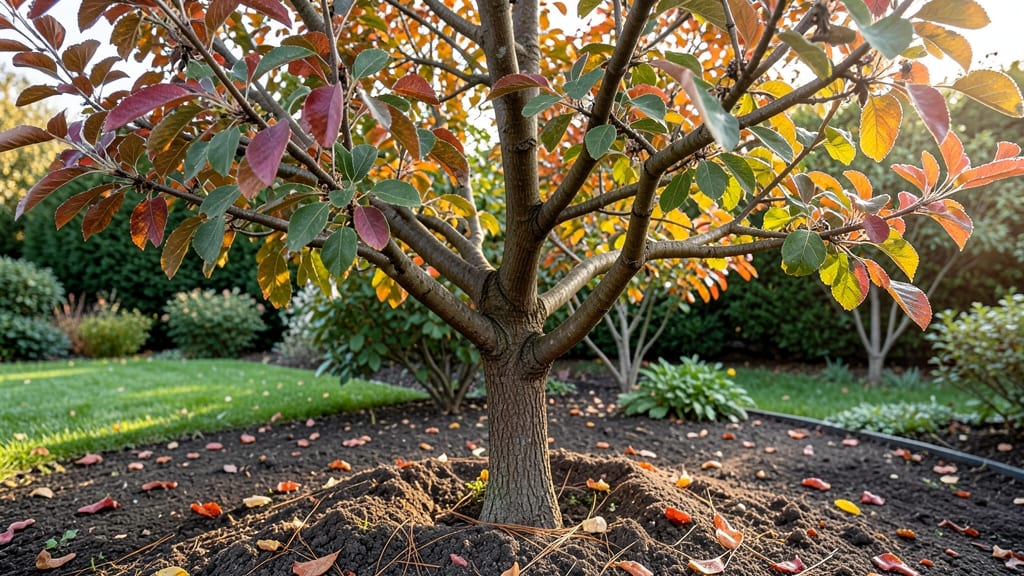
Apple tree leaves turning red isn’t always a sign of trouble—sometimes it’s nature’s stunning autumn show. 🌿 But when red appears unexpectedly in spring or summer, it’s your tree’s SOS.
I’ve seen drought-stressed trees blush bright red, while others turn rusty from fungal infections like anthracnose. The key is spotting the difference between seasonal beauty and a cry for help.
Drought stress causes crisp, dry red edges, while nutrient deficiencies (like magnesium) create yellowing between veins with red tinges. Diseases like anthracnose add dark spots or curling leaves—check for those first.
My first rule? Water deeply 1-2 times weekly during dry spells, and mulch to keep roots cool. A soil test reveals if your tree needs potassium or magnesium boosts.
Pruning isn’t just for shaping—it’s disease prevention. Remove any red, spotted, or curled leaves immediately and sterilize tools between cuts. For anthracnose, apply copper fungicide in spring before buds swell.
I’ve saved trees by acting fast; the difference between a sad red flush and a healthy green canopy is often just timing and the right care.
Prevention starts now: monitor moisture, test soil, and prune regularly. Red leaves in fall? Normal. Red leaves in summer? Time to investigate. The goal isn’t just saving your tree—it’s keeping it thriving for decades of fruit and foliage. Let’s get those leaves back to their best.
Natural Leaf Chemistry Explained
When apple tree leaves transform into a fiery red canvas each autumn, it’s not just a picturesque spectacle—it’s a biochemical masterpiece triggered by nature’s own schedule. The shift from green to red isn’t random; it’s a deliberate survival strategy tied to sunlight, temperature, and the tree’s internal chemistry.
Let’s break down the science behind this seasonal spectacle.
As daylight shortens in fall, apple trees (like most deciduous species) sense the decline in sunlight. This signals the tree to halt chlorophyll production, the green pigment responsible for photosynthesis. Without chlorophyll masking other pigments, anthocyanins—water-soluble red, purple, and blue compounds—emerge in the leaves.
These pigments act like sunscreen and antioxidants for the tree. Anthocyanins protect leaf cells from sun damage (even as sunlight weakens) and recycle vital nutrients (like phosphorus and nitrogen) back into the tree before leaf drop. Think of them as nature’s way of giving the leaves a nutrient-rich farewell.
Pro Tip: 🌡️ Cooler nights (below 50°F/10°C) and warm days (70–85°F/21–29°C) amplify red hues. If autumn is unseasonably warm, anthocyanins may not develop as vividly.
Not all apple trees blaze red—some lean toward yellow, orange, or purple. This variation stems from genetic differences in anthocyanin production. For example:
| Apple Variety | Likely Leaf Color | Why? |
|---|---|---|
| Granny Smith | Deep red-purple | High anthocyanin concentration + slow chlorophyll breakdown. |
| Fuji | Orange-red blend | Moderate anthocyanins + lingering yellow carotenoids. |
| Honeycrisp | Golden-yellow (with hints of red) | Low anthocyanins; carotenoids dominate. |
Key Takeaway: 🔍 If your apple tree’s leaves are only slightly red, it may lack the genetic predisposition for bold anthocyanins—or the autumn conditions weren’t ideal.
While genetics set the stage, weather acts as the director. Two critical factors influence red intensity:
- Drought or Water Stress: When roots struggle to absorb water (due to dry soil or poor drainage), the tree produces more sugars in leaves as a survival mechanism. These sugars boost anthocyanin synthesis, leading to brighter reds. 💡 Overwatering can dull colors by masking stress signals.
- Early Frost: A sudden cold snap damages leaf cells, accelerating nutrient breakdown. This can intensify red hues overnight—but also cause premature leaf drop if severe.
Actionable Tip: 🌧️ If your tree’s leaves are pale or patchy red, check soil moisture. Consistent (not soggy) hydration supports vibrant fall foliage.
Next up: How to Tell If Red Leaves Mean Trouble (or just autumn magic).
Revive Your Tree’s Health Now
If your apple tree’s leaves are turning red when they shouldn’t—or if the color shift feels unnatural—don’t panic. Most issues have simple fixes, and prevention is easier than you think.
Below, we’ll break down the most common causes of unexpected reddening and how to address them, step by step. Think of this as your tree’s first-aid kit!
Red leaves often signal a hunger for essential nutrients. The most common culprits?
🔥 Iron Deficiency (Chlorosis)
Yellowing between leaf veins with red edges? Your tree might be starving for iron. This happens in alkaline soils or when roots can’t absorb enough.
- Fix: Apply chelated iron (like iron sulfate or EDTA chelates) to the soil or use a foliar spray. For alkaline soil, mix in peat moss or sulfur to lower pH gradually.
- Prevent: Test soil pH every 2–3 years. Aim for 6.0–7.0 for apple trees. Use organic matter (compost, leaf mold) to improve nutrient availability.
🌡️ Nitrogen Shortage
Pale red or purplish leaves? Your tree might need nitrogen, the building block of chlorophyll.
- Fix: Spread well-rotted manure (chicken or cow) or a balanced fertilizer (10-10-10) around the drip line. Water deeply afterward.
- Prevent: Apply a slow-release fertilizer in early spring and again after harvest. Avoid over-fertilizing—too much can burn roots!
Red leaves can scream “help me!” when watering is off. Here’s how to get it right.
🔥 Drought Stress
Wilting leaves with red or brown edges? Your tree is thirsty.
- Fix:
- 💦 Deep watering: Soak the soil 12–18 inches deep once a week (more in extreme heat). Use a soaker hose for even distribution.
- 🌱 Mulch: Add 3–4 inches of organic mulch (wood chips, straw) around the base (keep it 6 inches away from the trunk to prevent rot).
- Prevent: Install a drip irrigation system for consistent moisture. Monitor soil with your finger—it should feel damp but not soggy.
🌧️ Overwatering or Poor Drainage
Yellowing leaves with red veins? Roots might be drowning.
- Fix:
- ⏰ Check drainage: Dig a small hole near the tree. Fill it with water—if it doesn’t drain within 2 hours, your soil is too compacted.
- 🔪 Amend soil: Mix in sand or perlite to improve aeration. For heavy clay, add compost to break it up.
- Prevent: Plant apple trees in well-draining soil (avoid low spots where water pools). Raise beds if needed.
Not all red leaves are nutrient-related—some are a silent call for pest control.
🍳 Spider Mites or Aphids
Tiny webs or sticky residue on leaves? These pests suck sap, causing red or yellow discoloration.
- Fix:
- 👨🍳 Spray with neem oil: Mix 1 tsp neem oil + 1 tsp mild soap + 1 quart water. Spray every 5–7 days until pests vanish.
- 💦 Blast them off: Use a strong hose spray to dislodge aphids (do this in the morning).
- Prevent: Introduce beneficial insects (ladybugs, lacewings) or plant marigolds nearby to repel pests.
🍄 Fungal Infections (Anthracnose or Apple Scab)
Red or brown spots with yellow halos? Fungal diseases thrive in wet conditions.
- Fix:
- 🍄 Prune infected branches: Remove and dispose of (don’t compost!) diseased leaves. Sterilize pruners with rubbing alcohol.
- 💊 Fungicide spray: Use copper fungicide or baking soda spray (1 tbsp baking soda + 1 tsp oil + 1 gallon water). Apply every 10–14 days during wet seasons.
- Prevent: Space trees properly (15–20 ft apart) for airflow. Clean up fallen leaves in autumn to reduce spores.
Want to keep your apple tree’s leaves lush and green (or naturally red in autumn)? Try these:
- 💡 Soil Test First: Before fertilizing, get a soil test kit (available at garden centers) to identify exact deficiencies.
- 🌡️ Timing Matters: Fertilize in early spring (before buds swell) and late summer—never in winter.
- 🎯 Variety Check: Some apple tree varieties (like Red Delicious or Jonathan) naturally develop red hues. Research your tree’s type!
- 🍎 Prune for Sunlight: Thin out dense branches to improve air circulation and sunlight, reducing stress and disease risk.
Most red-leaf issues are fixable with a little attention. Start with one solution, monitor your tree’s response, and adjust as needed. Before you know it, your apple tree will be back to its vibrant best—ready to produce fruit (and stunning foliage) for years to come! 🌿🍏
Frequently asked questions
Are red apple tree leaves always a problem?
Not at all! In autumn, red leaves are completely normal due to anthocyanins—pigments that develop as daylight shortens. However, if red appears in spring/summer or looks unnatural (dry, spotted, or curled), it’s likely a stress signal like drought, nutrient deficiency, or disease. Check for other symptoms first.
How can I tell if red leaves mean my tree is dying?
Look for these red flags (literally): crispy edges, premature leaf drop, or spots/mold on leaves. Healthy autumn red leaves stay attached until winter. If leaves are falling off early or the tree has no new growth, act fast—check watering, soil pH, and pests.
What’s the fastest way to fix nutrient-deficient red leaves?
For iron deficiency (yellow between veins + red edges), use a chelated iron spray immediately. For nitrogen shortage (pale red/purple), apply well-rotted manure around the base. Water deeply after—results may appear in 2–4 weeks with consistent care. Soil tests save time!
Can I prune red leaves to save my tree?
Yes, but only if they’re diseased or pest-infested. Remove spotted, curled, or wilted leaves immediately—sterilize pruners with rubbing alcohol between cuts. Avoid heavy pruning during stress; focus on airflow improvement to prevent future issues.
Will red leaves affect my apple harvest?
Not directly—leaf color rarely impacts fruit quality. However, severe stress (like drought or disease) can reduce fruit size or sweetness. Monitor your tree’s overall health: if leaves are thin, weak, or dropping early, address the root cause to ensure a better harvest next season.