Pests and Diseases
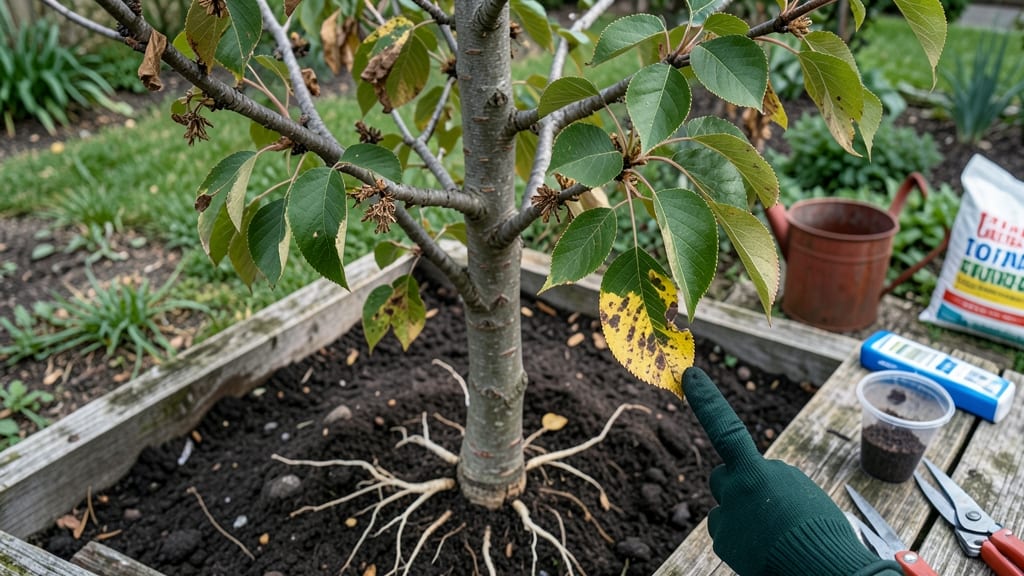
Your cherry tree’s leaves turning yellow and falling off might be a silent scream for help—root rot or fungal infections are often the culprits. 🌿 I’ve seen this happen after heavy rains or when trees get overwatered, and the good news is you can turn things around with the right steps.
The key is catching it early, before the roots start to fail completely.
First, check the soil: if it smells sour or feels soggy, that’s your warning sign. Yellowing leaves paired with mushrooms at the base? That’s fungal rot. Nutrient deficiencies (like iron or nitrogen) can cause similar symptoms, but the leaves usually stay attached longer.
Grab a small trowel and dig just an inch down—healthy roots should be firm and white, not mushy or brown.
You’ll want to trim back any dead branches first, then focus on improving drainage. Amending the soil with compost and adjusting your watering schedule (deep watering once a week is better than daily shallow soaks) can make a huge difference.
For fungal issues, a copper fungicide spray applied in the early morning helps prevent spread while the tree recovers.
If the tree is still young and the roots aren’t severely damaged, it can bounce back in a season with proper care. But if half the canopy is gone or the trunk feels hollow when tapped, it might be time to call in an arborist.
The sooner you act, the better the chances of saving your tree—and that shade (and fruit!) you love.
Root Causes Behind Leaf Loss
When your cherry tree’s leaves start turning yellow and dropping prematurely, it’s often a sign that something’s gone awry beneath the surface—or even in the air. Understanding the why behind this distress is the first step to saving your tree.
Below, we break down the most common culprits, from hidden soil issues to airborne invaders, with clear explanations and actionable insights.
Cherry trees, like all plants, rely on a balanced diet of essential nutrients to thrive. When leaves yellow and drop, it’s often because the tree isn’t getting enough of the right ingredients. Here’s what’s likely missing—and how to fix it:
- 🔹 Iron Chlorosis (Yellow Leaves with Green Veins)
- Why it happens: Iron deficiency, often caused by alkaline soil (pH > 7.0), locks out this critical nutrient. Iron is vital for chlorophyll production, so without it, leaves turn pale yellow while veins stay green.
- Actionable fix:
- Test your soil’s pH (aim for 6.0–7.0 for cherries).
- Apply chelated iron (e.g., iron sulfate or EDTA-iron) to the soil or use a foliar spray.
- Pro tip: 💡 Mix organic matter like compost or peat moss into the soil to lower pH naturally over time.
- 🔹 Nitrogen Starvation (Overall Yellowing)
- Why it happens: Nitrogen is the building block of chlorophyll. If the soil is depleted (common after heavy fruiting or poor soil prep), leaves yellow evenly across the tree, often starting at the bottom.
- Actionable fix:
- Spread organic nitrogen like blood meal, fish emulsion, or well-rotted manure in early spring.
- Avoid synthetic fertilizers high in phosphorus/potassium—they won’t address nitrogen gaps.
- 🔹 Potassium or Magnesium Shortages (Edge Browning or Spotting)
- Why it happens: Potassium helps regulate water and nutrient flow; magnesium is a chlorophyll co-factor. Deficiencies cause yellowing between veins (especially on older leaves) or brown, crispy edges.
- Actionable fix:
- Apply Epsom salt (magnesium sulfate) dissolved in water (1 tbsp/gallon) as a foliar spray or soil drench.
- Use a balanced fertilizer (e.g., 10-10-10) to replenish potassium.
Fungi thrive in damp, shaded conditions and can wreak havoc on cherry trees by clogging roots, disrupting nutrient uptake, or attacking leaves directly. Here’s how to spot and stop them:
- 🔹 Root Rot (Mushroom-Like Fungi in Soil)
- Why it happens: Waterlogged soil (from overwatering, poor drainage, or heavy rains) creates the perfect breeding ground for fungi like Phytophthora or Armillaria. These pathogens rot roots, cutting off water/nutrient supply, which triggers leaf yellowing and drop.
- Actionable fix:
- Improve drainage: Amend soil with compost or sand and avoid planting in low-lying areas.
- Reduce watering: Let the top 2–3 inches of soil dry out between waterings.
- Apply fungicidal treatments like copper fungicide or hydrogen peroxide (3%) to soil.
- 🔹 Leaf Spot Diseases (Circular Yellow/Brown Spots)
- Why it happens: Fungi like Cercospora or Alternaria cause dark spots with yellow halos. Humid weather spreads spores, and infected leaves eventually fall.
- Actionable fix:
- Prune and remove fallen leaves to reduce spore spread.
- Spray with neem oil or copper fungicide every 7–10 days during wet seasons.
- Pro tip: ✨ Water leaves early in the day so foliage dries quickly, discouraging fungal growth.
- 🔹 Powdery Mildew (White, Powdery Coating)
- Why it happens: This fungal disease thrives in warm, humid conditions, coating leaves with a white film. Infected leaves yellow and drop prematurely.
- Actionable fix:
- Improve air circulation by pruning dense branches and spacing trees properly.
- Spray with baking soda solution (1 tbsp baking soda + 1 tsp soap + 1 gallon water) or sulfur-based fungicides.
Pests like aphids, mites, and borers don’t just feed on leaves—they inject toxins, suck out nutrients, and weaken the tree’s defenses. Here’s how to identify and evict them:
- 🔹 Aphids & Spider Mites (Sticky Leaves + Yellowing)
- Why it happens: These tiny pests pierce leaves to feed on sap, causing yellowing, curling, and a sticky residue (aphid honeydew). Mites also create fine webbing on undersides.
- Actionable fix:
- Blast off pests with a strong spray of water (early morning).
- Introduce beneficial insects like ladybugs or lacewings.
- Use insecticidal soap or neem oil for severe infestations.
- 🔹 Borers (Holes in Bark + Sawdust-Like Frass)
- Why it happens: Larvae of borers (e.g., Sirex or Peachtree Borer) tunnel into wood, disrupting nutrient transport. Infested trees show yellowing, wilting, and premature leaf drop.
- Actionable fix:
- Prune and burn infested branches immediately.
- Apply borer-specific sprays like Bacillus thuringiensis (Bt) or systemic insecticides (e.g., imidacloprid).
Sometimes, the problem isn’t biological—it’s environmental. Extreme conditions can push even healthy cherry trees to the brink:
- 🔹 Overwatering or Underwatering
- Why it happens: Too much water suffocates roots (leading to rot), while too little causes dehydration. Both scenarios stress the tree, triggering yellowing and leaf drop.
- Actionable fix:
- Water deeply 1–2 times per week (depending on climate) and check soil moisture with your finger.
- Mulch around the base to retain moisture and regulate temperature.
- 🔹 Temperature Shocks (Late Frosts or Heatwaves)
- Why it happens: Cherry trees are sensitive to late spring frosts (damaging new leaves) or sudden heatwaves (causing leaf scorch). Both stress the tree, leading to premature leaf loss.
- Actionable fix:
- Protect young trees with frost cloth during cold snaps.
- Provide afternoon shade in hot climates (e.g., with shade cloth).
- 🔹 Transplant Shock (Newly Planted Trees)
- Why it happens: Moving a cherry tree disrupts its root system, causing temporary nutrient/water uptake issues. Leaves may yellow and drop for weeks as the tree adjusts.
- Actionable fix:
- Water deeply daily for the first 2 weeks post-transplant.
- Avoid fertilizing until new growth appears (usually 4–6 weeks later).
Fixing Yellowing Cherry Leaves Fast
If your cherry tree’s leaves are turning yellow and dropping like autumn’s first frost, don’t panic—there’s hope! The right approach depends on the root cause, whether it’s root rot, fungal infections, nutrient deficiencies, or environmental stress.
Below, we break down practical, step-by-step fixes for each issue, plus prevention tips to keep your tree thriving.
Root rot is a silent killer, often caused by overwatering, poor drainage, or compacted soil. If the roots smell foul or look mushy, act fast!
🚨 Step 1: Stop the Waterlogging
- 💧 Reduce watering immediately—let the top 2–3 inches of soil dry out before watering again.
- ⚡ Check drainage: If your tree is in a container, add perforations or switch to a pot with drainage holes.
For in-ground trees, consider raising the soil level around the base (mound it slightly to encourage runoff).
🧪 Step 2: Fungal Treatment
- 🍄 Apply a copper fungicide (like Copper Sulfate) to the soil and foliage to combat the fungus.
- 🌱 Use hydrogen peroxide (3%) as a soil drench (1 part peroxide to 10 parts water) to kill pathogens without harming the tree.
🌱 Step 3: Revive the Roots
- 🔪 Prune affected roots (if accessible) with sterilized pruners, removing any black, mushy sections.
- 🌿 Add compost or well-rotted manure to improve soil aeration and microbial activity.
- 🌳 Mulch properly: Use 2–4 inches of organic mulch (wood chips, straw) but keep it 6 inches away from the trunk to prevent rot.
💡 Pro Tip:
If the tree is severely infected, consider root drenching with mycorrhizal fungi (like MycoApply) to boost root health naturally.
Powdery mildew, leaf spot, or canker diseases can turn leaves yellow and cause premature drop. Here’s how to fight back:
🧴 Step 1: Clean Up Debris
- 🧹 Remove fallen leaves and fruit from the base of the tree to eliminate fungal spores.
- 🪒 Prune infected branches (cut 6 inches below the affected area) and sterilize tools with rubbing alcohol.
🍄 Step 2: Spray Fungicides
- 🛡️ Use preventive sprays like neem oil, sulfur-based fungicides, or potassium bicarbonate (1 tbsp per gallon of water).
- 🌿 Apply in the early morning or evening when humidity is high (fungi love moisture!).
🌡️ Step 3: Improve Airflow & Light
- ✂️ Thin out dense branches to allow sunlight and air circulation.
- 🌞 Avoid overhead watering—use drip irrigation or soaker hoses to keep leaves dry.
✨ Pro Tip:
Baking soda spray (1 tsp baking soda + 1 tbsp oil + 1 tsp soap per gallon of water) is a cheap, effective homemade fungicide for mild infections.
Yellowing leaves can signal lack of nitrogen, iron, or magnesium. Here’s how to balance the soil:
📊 Step 1: Test Your Soil
- 🧪 Get a soil test kit (available at garden centers) to check pH and nutrient levels.
- ⚠️ Ideal pH for cherry trees: 6.0–7.0 (adjust with lime to raise or sulfur to lower).
🍽️ Step 2: Fertilize Correctly
| Deficiency | Symptoms | Solution |
|---|---|---|
| Nitrogen (N) | Yellow leaves (especially lower ones) | Balanced fertilizer (10-10-10) or compost |
| Iron (Fe) | Yellow between veins (chlorosis) | Iron chelate or Epsom salt (1 tbsp per gallon) |
| Magnesium (Mg) | Yellow patches with green veins | Epsom salt spray or dolomitic lime |
🌿 Step 3: Organic Boost
- 🍂 Add compost or worm castings for slow-release nutrients.
- 🌱 Use fish emulsion or seaweed extract for a quick nutrient kick.
💡 Pro Tip:
Avoid over-fertilizing—too much salt can burn roots and worsen the problem!
Heatwaves, drought, or transplant shock can cause leaves to yellow and drop. Adjust your care to help the tree recover:
💦 Step 1: Water Deeply & Infrequently
- 🌧️ Water at the base (not the leaves) early in the morning.
- 📏 Check soil moisture: Stick your finger 4 inches deep—if dry, water thoroughly.
🌳 Step 2: Protect from Extreme Conditions
- 🌞 In hot climates, provide light shade (especially for young trees).
- ❄️ In cold snaps, mulch heavily (4–6 inches) to insulate roots.
🌱 Step 3: Ease Transplant Shock
- 🚜 If recently planted, water deeply 2–3 times per week for the first month.
- 🌿 Avoid heavy pruning for at least 6–12 months post-transplant.
🎯 Pro Tip:
Mulch volcanoes (piling mulch against the trunk) traps moisture and causes rot—keep mulch sloped away from the base.
Once your cherry tree recovers, prevent future issues with these long-term strategies:
✅ 🌧️ Water wisely—deep and early in the day to reduce fungal risk. ✅ 🍄 Monitor for pests—aphids and mites weaken trees, making them susceptible to disease. ✅ 🪒 Prune regularly—remove dead, crossing, or crowded branches to improve airflow. ✅ 🧪 Test soil annually—adjust pH and nutrients before problems arise. ✅ 🌿 Use disease-resistant varieties (like ‘Stella’ or ‘Black Tartarian’) if your area is prone to fungal issues.
🌟 Final Thought: Most cherry trees bounce back with the right care—act fast if you spot yellowing leaves, and consistent maintenance will keep your tree lush and productive for years! 🍒🌿
Frequently asked questions about cherry tree leaf problems
Why do cherry tree leaves turn yellow and drop suddenly?
Sudden yellowing and leaf drop usually signals stress from overwatering (root rot), nutrient deficiencies (like iron or nitrogen), or fungal infections (powdery mildew, leaf spot). Check the soil—if it smells sour or feels soggy, you're likely dealing with root issues. For nutrient problems, look for yellowing between veins (iron) or uniform yellowing (nitrogen).
How can I tell if my cherry tree has root rot?
Root rot shows up as mushy, brown roots that smell foul, plus yellow leaves paired with mushrooms growing at the base. Dig carefully about 6 inches down—healthy roots should be firm and white. If you see these signs, stop watering immediately and improve drainage with compost or sand. Copper fungicide can also help fight the infection.
What's the best way to fix iron deficiency in cherry trees?
Iron deficiency (chlorosis) causes yellow leaves with green veins. First, test your soil—cherry trees prefer pH 6.0–7.0. If the soil is too alkaline, add compost or peat moss to lower pH. Then apply chelated iron (like iron sulfate) directly to the soil or use a foliar spray with Epsom salt (1 tbsp/gallon). Results appear in 2–4 weeks.
Can I save my cherry tree if half the leaves are already gone?
Yes, but act fast! First, prune dead branches to reduce stress, then focus on watering adjustments (deep watering 1–2 times/week) and fungal treatments if needed. For severe cases, consult an arborist—they can assess root health and recommend targeted solutions. Young trees often recover better than mature ones, so don't give up!
How often should I water a cherry tree to prevent leaf problems?
Water deeply but infrequently: 1–2 times per week (depending on climate), letting the top 2–3 inches of soil dry out between waterings. Overwatering is worse than underwatering—always check soil moisture before watering. Mulch 2–4 inches deep (but keep it 6 inches from the trunk) to retain moisture and regulate temperature.