
Pruning
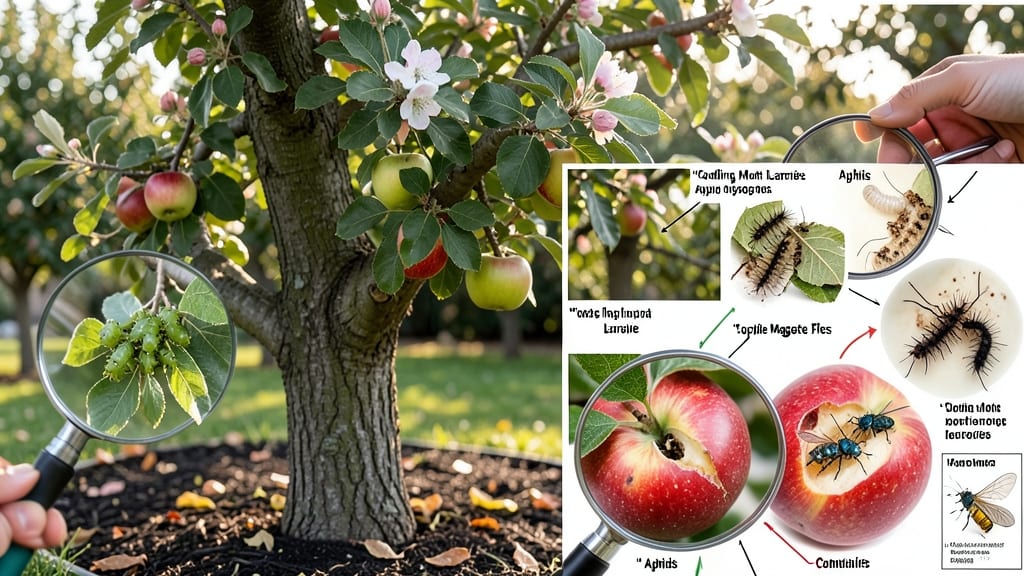
Mastering apple tree pests identification early saves your harvest—and I’ve seen firsthand how quickly a small infestation turns into a nightmare. 🍎 The 12 most destructive bugs (like codling moths and apple maggots) leave telltale signs: chewed fruit, sticky residue, or tiny webs on leaves—if you know what to look for, you can act before damage spreads.
Most problems start with overlooked symptoms: curled leaves mean aphids, while tunnels in fruit scream codling moth. I’ve learned the hard way that waiting until pests are visible means they’ve already been feasting for weeks.
The key is checking your tree weekly during bloom and harvest seasons—especially under leaves and in fruit crevices.
Once you spot the issue, solutions range from simple sprays (neem oil for aphids) to strategic traps (pheromone lures for codling moths). Organic methods work best when applied at the right time—like copper tape for borers or kaolin clay for apple maggots.
The goal isn’t just to kill pests but to break their life cycle before next year.
This guide covers the most common invaders, their favorite hiding spots, and the best organic fixes—no confusing jargon, just practical steps to protect your tree. Let’s get your orchard back in shape before next season’s harvest.
Root Causes of Apple Tree Pests
Apple trees, with their lush foliage and sweet fruit, can become a buffet for pests if left unchecked. Understanding why these critters invade is the first step to protecting your orchard.
Below, we break down the key factors that make your apple tree a pest magnet—and how they create the perfect storm for infestations.
A healthy apple tree has natural defenses—thick bark, resilient leaves, and even chemical signals that repel pests. But when these defenses falter, pests move in like uninvited guests at a dinner party.
- Nutrient Deficiencies: Trees lacking essential nutrients (like nitrogen, potassium, or magnesium) produce weak, thin leaves and brittle branches—perfect hiding spots for pests like aphids and mites. 🍃
- Example: Yellowing leaves (chlorosis) often signal nitrogen deficiency, making trees more susceptible to woolly aphids, which thrive on stressed bark.
- Water Stress: Overwatering or drought weakens root systems, reducing the tree’s ability to fight off borers and beetles. Apple maggot flies also target stressed fruit, as the sugars in underripe apples become more concentrated.
- Physical Damage: Cuts from pruning, storm wounds, or animal scratches create entry points for apple tree borers and fire blight bacteria (which pests can spread).
Pro Tip: 💡 Conduct a soil test every 2–3 years to ensure your tree has the right balance of nutrients. Mulching with organic matter (like wood chips) helps retain moisture and strengthens roots.
Pests don’t just appear—they’re drawn to specific environmental conditions that favor their survival. Apple trees in the wrong place or at the wrong time become prime targets.
- Warm, Humid Climates: Many apple pests, like codling moths and apple scab fungi (which pests spread), thrive in temperatures between 60–85°F (15–29°C) with high humidity. 🌤️ - Why it matters: Warmth speeds up their life cycles, leading to faster infestations. Apple maggots lay eggs in fruit when temps rise above 70°F (21°C). - Overcrowded Orchards: Trees planted too closely together create shady, damp microclimates—perfect for scale insects and mildew.
Poor air circulation also traps pests like apple sawfly larvae, which munch on leaves unchecked. - Late Blooms & Fruit Ripening: Pests like rosy apple aphids and apple curculio beetles time their attacks to coincide with flowering (spring) and fruit ripening (summer/fall).
A late frost or early harvest can disrupt this timing—but pests adapt quickly.
Pro Tip: ✨ Prune for airflow: Thin branches to allow sunlight to reach the center of the tree, reducing humidity and making it harder for pests to hide.
Sometimes, pests hitch a ride—or we accidentally invite them in. Poor orchard management can turn a thriving tree into a pest paradise.
- Improper Pruning: Leaving dead wood or succulent shoots (from over-fertilizing) attracts apple tree borers, which lay eggs in damaged bark. 🪓
- Lack of Sanitation: Fallen fruit, leaves, or mummified apples left on the ground over winter become hibernation hotels for apple maggot pupae and scale insect eggs.
- Introduced Pests: Firewood, nursery trees, or even birds can transport pests like gypsy moths or spotted lanternflies to new areas. Quarantine new plants for 2 weeks before planting.
Pro Tip: 🔥 Clean up debris in late fall—remove all fallen fruit, leaves, and prunings from under the tree. Burn or compost them (don’t leave them in piles).
Some pests are drawn to the very things that make apple trees appealing—sugary sap, fragrant blossoms, or even pesticides that disrupt natural predators.
- Excessive Sap Flow: Trees under stress (from drought, root damage, or honey fungus) produce sticky sap—a buffet for woolly aphids and lanternflies, which feed on it.
- Flowering & Pollination: The scent of apple blossoms attracts apple blossom weevils and sawfly adults, which lay eggs in petals or new growth.
- Pesticide Overuse: Broad-spectrum insecticides can kill beneficial predators (like ladybugs and lacewings), leading to secondary pest outbreaks (e.g., mites thriving without their natural enemies).
Pro Tip: 🎯 Use targeted sprays: Instead of blanket pesticide treatments, apply horticultural oil in dormant season to smother overwintering eggs—or neem oil for soft-bodied pests like aphids.
Apple trees aren’t meant to stand alone—they evolved alongside predators, pollinators, and competitors. When their natural balance is disrupted, pests fill the void.
- Loss of Beneficial Insects: Ladybugs, parasitic wasps, and birds keep pest populations in check. Monoculture orchards (planting only apple trees) reduce biodiversity, leaving pests unchecked.
- Invasive Species: Non-native pests like the brown marmorated stink bug or Asian longhorned beetle have no natural predators in North America, allowing them to explode in numbers.
- Climate Change Shifts: Warmer winters mean more surviving pest eggs, while earlier springs confuse timing-sensitive predators, giving pests a head start.
Pro Tip: 🌿 Encourage biodiversity: Plant companion plants like dill, yarrow, or clover near apple trees to attract beneficial insects. Avoid chemical sprays during bloom to protect pollinators.
Young trees and mature trees face different pest pressures—each stage has its own weak points.
| Tree Stage | Common Pests | Why They Strike |
|---|---|---|
| Saplings (1–3 yrs) | Aphids, Spider Mites, Borers | Thin bark, tender leaves, and no established root system make them easy targets. |
| Mature (4–15 yrs) | Codling Moths, Curculios, Scab | Heavy fruit load stresses the tree, attracting pests that feed on ripe fruit. |
| Old Trees (15+ yrs) | Fire Blight, Wood Borers, Scale | Weakened wood and reduced vigor make them prone to bacterial infections and bark invaders. |
Pro Tip: 🔥 Monitor young trees weekly for early signs of aphids or mites. For mature trees, thin fruit in summer to reduce stress and pest attraction.
Practical Fixes for Apple Tree Pests
Once you’ve identified the troublemakers in your orchard, it’s time to act! Below are targeted, step-by-step solutions for the most common apple tree pests, along with preventive measures to keep your trees thriving. Think of this as your pest-fighting playbook—simple, effective, and tailored to each culprit.
The Fix: Codling moths are sneaky, but you can outsmart them with physical barriers and traps.
- 🔥 Use Pheromone Traps
- Hang codling moth traps (available at garden centers) in early spring before moths emerge.
- Replace lures every 2-4 weeks for maximum effectiveness.
- 🍳 Apply Tree Bands or Trunk Wraps
- Wrap the trunk and main branches with sticky bands or kaolin clay to trap larvae as they crawl down.
- Pro Tip: Reapply after rain or every 4-6 weeks (🌡️ Check for gaps!).
- 👨🍳 Handpick & Destroy Infested Fruit
- Inspect fruit weekly—drop infested apples into a bucket of soapy water (🔪 No composting!).
- Bonus: Shake trees gently to dislodge eggs before they hatch.
Prevention:
- 💡 Plant trap crops (like pear trees) to lure moths away from your apple trees.
- ✨ Prune to improve airflow—moths love dense, shady spots.
The Fix: These pesky flies lay eggs inside fruit, making them tricky to stop.
- 🥘 Use Organic Sprays (Early Season)
- Spinosad (derived from soil bacteria) or neem oil can deter adults.
- Timing is key: Spray every 7-10 days from June to August (when maggots are active).
- 🔪 Cover Fruit with Netting
- Drape fine mesh netting over trees before flies emerge (late June).
- Pro Tip: Secure edges tightly—no gaps! (🎯 Check for tears after storms.)
- 🌡️ Trap & Remove Infested Fruit
- Place red spheres (apple maggot traps) in the tree—flies are drawn to them.
- Drop fallen fruit into a sealed bag and dispose of it far from the tree.
Prevention:
- 💡 Harvest early varieties before maggots mature.
- ✨ Plant trap crops like plums or cherries to distract flies.
The Fix: These armored pests suck sap, weakening trees over time.
- 🔥 Knock Them Off with Pressure
- Use a strong hose spray to dislodge scales from branches.
- Best time: Early spring (before they reproduce).
- 🍳 Apply Horticultural Oil
- Spray dormant oil (in late winter/early spring) to suffocate eggs and nymphs.
- Reapply after rain (🌡️ They’re slippery!).
- 👨🍳 Introduce Beneficial Insects
- Lady beetles and parasitic wasps love San Jose scale.
- Buy them from garden centers or attract them with native plants.
Prevention:
- 💡 Prune and destroy infested branches (🔪 Burn or bag them!).
- ✨ Keep trees healthy—stressed trees attract more pests.
The Fix: These fuzzy pests excrete honeydew, leading to sooty mold.
- 🥘 Blast Them with Soap Spray
- Mix 1 tsp mild dish soap + 1 quart water and spray directly on colonies.
- Reapply every 5-7 days (🌡️ They reproduce fast!).
- 🔪 Prune Infested Areas
- Cut off heavily infected branches and dispose of them (🔪 Don’t compost!).
- 🌡️ Encourage Natural Predators
- Ladybugs, lacewings, and parasitic wasps feast on woolly aphids.
- Pro Tip: Avoid broad-spectrum pesticides—they kill these helpers too!
Prevention:
- 💡 Improve airflow by pruning—aphids love tight spots.
- ✨ Plant dill or fennel nearby to attract predatory wasps.
The Fix: Their larvae skeletonize leaves, leaving trees looking ragged.
- 🔥 Use Pheromone Traps
- Hang sawfly traps in early summer to catch adults before they lay eggs.
- 🍳 Handpick Larvae
- Drop them into soapy water (🔪 No mercy—these guys are destructive!).
- Best time: Morning or evening (they’re sluggish then).
- 👨🍳 Apply Bacillus thuringiensis (Bt)
- A natural bacteria that kills larvae when they eat treated leaves.
- Reapply after rain (🌡️ It washes off!).
Prevention:
- 💡 Mulch heavily—larvae dislike crawling through thick mulch.
- ✨ Plant mint or tansy nearby as a natural repellent.
No matter the pest, these universal strategies will keep your apple trees strong:
- 🌱 Keep Trees Healthy – Water deeply (1 inch per week), mulch well, and fertilize in early spring.
- 🔪 Prune Properly – Remove dead/diseased wood in late winter to reduce hiding spots.
- 🕵️ Monitor Regularly – Inspect leaves, fruit, and bark weekly (early detection = easier fixes!).
- 🌿 Encourage Biodiversity – Native plants, birdhouses, and bee baths attract pest-eating allies.
- 📅 Follow a Spray Schedule – Rotate organic sprays (neem, kaolin clay, Bt) to prevent resistance.
Final Thought: 🎯 The key to pest control is consistency—stay vigilant, act fast, and your apple tree will reward you with juicy, blemish-free fruit for years!
Frequently asked questions about apple tree pests
What are the first signs of apple tree pest problems?
Look for chewed leaves, sticky residue (honeydew), tiny webs, or unusual holes in fruit. Aphids leave curled leaves, while codling moths create tunnels inside apples. Check the undersides of leaves and fruit crevices first—pests hide there!
Can I use neem oil on all apple tree pests?
Neem oil works well against soft-bodied pests like aphids, mites, and young caterpillars—but it’s not effective against armored pests (like scale) or borers. For tougher pests, combine it with horticultural oil in dormant season or use Bacillus thuringiensis (Bt) for sawfly larvae.
How often should I inspect my apple tree for pests?
Check your tree weekly during bloom (spring) and harvest season (summer/fall). Focus on new growth, fruit clusters, and bark crevices—these are pest hotspots. Early detection saves your harvest from severe damage!
Are there any natural predators that help control apple tree pests?
Ladybugs, lacewings, parasitic wasps, and birds feast on aphids, mites, and caterpillars. To attract them, plant dill, yarrow, or clover nearby and avoid broad-spectrum pesticides that kill these helpers.
What’s the best time of year to treat apple tree pests?
Timing matters! Treat dormant pests (like scale eggs) in late winter/early spring with horticultural oil. For soft-bodied pests, apply neem oil during active growth (spring/summer). Codling moths need pheromone traps in early spring before they lay eggs.