
Pruning
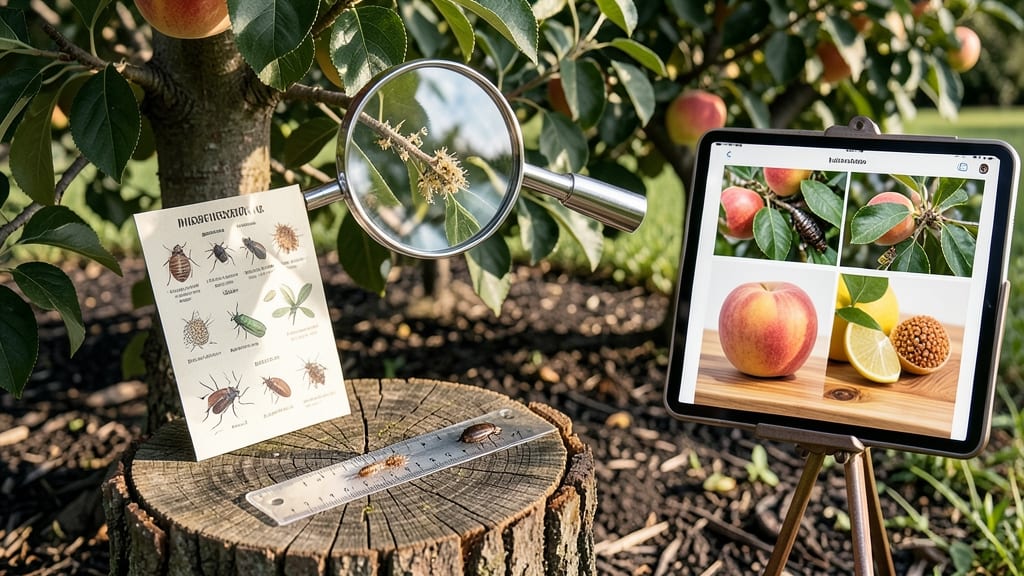
Mastering fruit tree pests identification before they destroy your harvest saves you endless frustration. 🌿 Fruit trees attract pests like aphids, codling moths, and spider mites—each leaving distinct clues if you know where to look.
The key is catching them early, when a simple spray or pruning can stop an infestation before it spreads.
Start by examining leaves, bark, and fruit for telltale signs: curled leaves (aphids), tiny holes in fruit (codling moths), or webbing between branches (spider mites). A hand lens helps spot the pests themselves—some are barely visible to the naked eye.
Compare what you see to photos of common pests to rule out diseases or environmental damage.
Early detection means healthier trees and bigger harvests. A quick inspection every 7-10 days during growing season catches problems before they escalate. Learn the patterns of these pests, and you’ll protect your fruit trees like a pro—no more ruined crops or wasted effort.
This guide covers the most destructive pests, what they target, and how to tell them apart from other issues. Once you recognize the signs, prevention becomes straightforward. Let’s get started!
📚 In This Guide
- What you need
- Instructions
- Tips and common mistakes
- Wrapping up and next steps
What you need
- ● Hand lens or magnifying glass (10x magnification recommended) – For spotting tiny details on leaves, stems, and fruit.
- ● Notebook & pen – To record observations, pest types, and affected areas.
- ● Digital camera or smartphone – Capture close-up images of pests, damage, and symptoms for later reference.
- ● Ruler or measuring tape – Helps document the size of pests, holes, or lesions.
- ● Gloves (nitrile or latex) – Protects hands from irritants, sap, or stings (e.g., wasps).
- ● Spray bottle with water (8 oz) – For gently dislodging pests (like aphids) to observe them up close.
- ● White tray or sheet of paper – Creates a clean background for examining pests or eggs.
- ● Field guide or pest identification app (e.g., iNaturalist, PictureThis) – For cross-referencing findings.
- ● Pruning shears (sterilized) – To safely collect samples from infested branches.
- ● UV flashlight – Reveals aphid trails or fungal spores that aren’t visible to the naked eye.
- ● Pest traps (e.g., pheromone traps for codling moths) – Early detection for specific pests.
- ● Soap spray (mild, like insecticidal soap) – Test for pest reactions (some pests die on contact).
- ● Plastic bags with holes – For temporarily containing pests for closer study.
- ● Ladder or step stool – Access high branches safely.
Step-by-Step guide to identifying common fruit tree pests
Here’s how I spot trouble early—and what to do about it.
🐛 Step 1: Inspect Leaves for Chewing Damage
Start by examining the undersides of leaves. Look for irregular holes, jagged edges, or skeletonized patterns—these are classic signs of leaf-chewing insects like caterpillars, beetles, or sawflies. I always check the newest growth first, since pests target tender leaves. Hold a magnifying glass close; you’ll often spot tiny frass (insect droppings) clinging to the leaf surface.
If you see silken webbing between leaves, it’s likely a tent caterpillar or gypsy moth larva. These pests hide during the day and emerge at dusk to feed. Don’t wait for heavy damage—remove infested leaves immediately and dispose of them in a sealed bag. This prevents larvae from pupating in your yard.
🐞 Step 2: Check Stems and Trunks for Boring Insects
Run your fingers along branches and the trunk. Feel for sawdust-like frass or tiny holes—these are dead giveaways for boring insects like bark beetles or carpenterworms. I tap branches with a stick; if I hear a hollow sound, it means the wood is already compromised. Use a screwdriver to probe soft spots—if it sinks in, larvae are likely inside.
For young trees, watch for sawfly larvae or borers that create D-shaped exit holes. These pests weaken structural integrity. If you find them, prune and burn infested branches (never compost them). For older trees, apply a sticky band around the trunk to trap crawling pests before they bore in.
🍎 Step 3: Examine Fruit for Surface Pests
Pick a few pieces of fruit and inspect for tiny eggs, larvae, or adult insects. Codling moths lay eggs near the stem end, and their larvae burrow into apples and pears, creating wormy tunnels. Apple maggots leave small, round entry holes near the fruit’s skin. I check sun-exposed fruit first, as pests prefer warmer, ripening spots.
If you find sticky residue (honeydew) on leaves or fruit, it’s a sign of aphids, scale, or mealybugs. Wipe surfaces with a damp cloth to confirm. These pests also attract sooty mold, a black fungal growth that reduces photosynthesis. Spray with water to dislodge them, or use neem oil for a natural deterrent.
🌿 Step 4: Look for Sap-Sucking Insects on New Growth
Focus on new shoots, buds, and leaf undersides. Aphids, mites, and scale insects cluster in colonies, leaving yellow stippling or curled leaves behind. I use a hand lens to spot tiny red or black mites moving along leaf veins. If you see white, cottony masses, it’s mealybugs—they thrive in shaded, humid areas.
For aphids, a strong spray of water often knocks them off. For mites, prune heavily infested branches and dispose of them. Scale insects are trickier—they attach firmly to bark. Scrape them off with a plastic scraper (metal can damage bark) and apply horticultural oil to smother any remaining eggs.
⏰ Step 5: Monitor for Seasonal Pests
Timing matters. Spring brings leaf rollers and tent caterpillars; summer sees fruit flies and Japanese beetles; fall introduces borers and scale. I keep a pest calendar noting when I first spot issues—this helps me time treatments effectively. For example, aphids peak in early summer, so I schedule beneficial insect releases then.
If you notice birds suddenly flocking to your tree, it’s a sign of outbreaks like gypsy moths or tent caterpillars. Set up birdhouses nearby to encourage natural predators. For persistent infestations, consult a local extension service—they’ll recommend targeted organic or chemical solutions based on your region’s pest patterns.
Tips & tricks for fruit tree pest inspection
Here's what I've learned from years of battling garden pests—these tricks make identification easier and treatment more effective.
Use the Right Tools: A 10x magnifying glass and a hand lens are game-changers for spotting tiny eggs or mites you'd miss with the naked eye. I keep mine in my gardening toolbox for quick inspections. For boring insects, a screwdriver is more accurate than your fingers for probing suspicious spots—just be gentle to avoid damaging the tree.
Timing is Everything: In Step 1, focus on newest leaves first—pests target tender growth. Early morning inspections work best because dew makes frass (insect droppings) more visible. For sap-sucking insects in Step 4, check leaf undersides and new shoots between 10 AM and 2 PM when pests are most active. I've caught infestations early by making this a weekly habit during peak seasons.
Seasonal Awareness: Spring is your warning season for tent caterpillars and leaf rollers—look for webbing between leaves. Summer brings fruit flies and Japanese beetles, so inspect sun-exposed fruit daily. I keep a simple calendar with sticky notes marking when I first spot each pest type—this helps me anticipate outbreaks before they spread.
Disposal Matters: When removing infested leaves or branches, double-bag them and dispose in outdoor trash (not compost). I've learned the hard way that composting infested material just spreads the problem. For sticky bands on trunks, check them weekly and dispose of trapped pests in soapy water to prevent reinfestation.
Pro Tips for Fruit Tree Pests Identification
- Here's what I've learned from years of battling garden pests—these tricks make identification easier and treatment mo...
- Use the Right Tools: A 10x magnifying glass and a hand lens are game-changers for spotting tiny eggs or mites you'd m...
- Timing is Everything: In Step 1, focus on newest leaves first—pests target tender growth. Early morning inspections w...
Frequently asked questions
Got questions about spotting, treating, or preventing fruit tree pests? You’re not alone!
Here are answers to the most common concerns—so you can keep your orchard thriving without the guesswork.
How do I tell if my fruit tree has pests vs. disease?
Pests like aphids or borers leave physical damage (chewed leaves, holes, or sawdust-like frass), while diseases (e.g., fire blight) cause discoloration, oozing sap, or fungal growth. Check for mobile critters—pests move, diseases don’t.
When is the best time to inspect my trees for pests?
Spring (when buds swell) and early summer (fruit development) are critical. Morning inspections work best—pests like coddling moths hide in foliage during the day. Pro tip: Shake branches over a white sheet to spot tiny eggs or larvae.
Are there natural pest controls that actually work?
Yes! For soft-bodied pests (e.g., scale), spray neem oil or introduce ladybugs. For borers, beneficial nematodes target larvae in soil. Prune infected branches in dormant season to limit spread. Always test sprays on a small area first!
My tree has pests—should I remove ALL the fruit?
Not necessarily! Thin heavily infested fruit to reduce pest populations, but leave some for pollination. Focus on removing damaged fruit (e.g., codling moth tunnels) to starve larvae. Save a few healthy fruits to monitor for new pests.
What’s the fastest way to confirm a pest ID?
Use a hand lens (10x magnification) to examine damage, then compare to university extension guides (e.g., Extension.org). Snap close-up photos of symptoms and pests (include a coin for scale!) for expert ID help.
Wrapping up and next steps
Identifying fruit tree pests doesn’t have to be a daunting task—with the right knowledge and tools, you can protect your trees and ensure a bountiful harvest! 🌿 From aphids to borers, recognizing early signs and acting swiftly keeps your orchard thriving.
Now that you’re armed with this visual guide, take the next step: inspect your trees regularly and implement preventive measures like proper pruning or organic sprays.
Your proactive approach will make all the difference—happy gardening! 🌱