
Trees
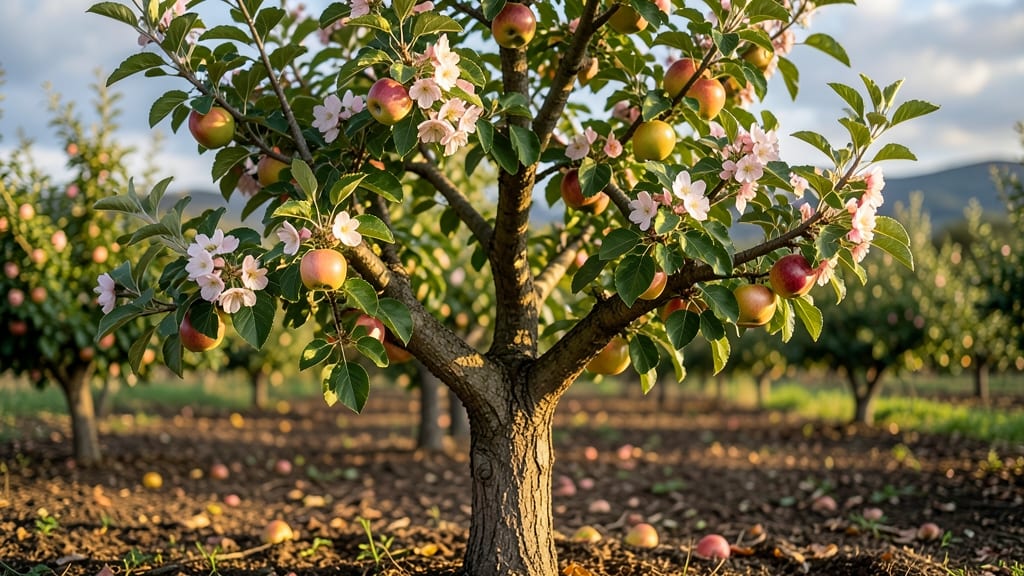
Growing apple trees in Zone 9 requires selecting heat-resistant varieties like 'Anna' or 'Dorsett Golden' that can handle the region's climate while meeting their chilling hour needs. Plant them in late winter, provide afternoon shade during summer, and use well-draining soil to prevent root stress. Annual pruning keeps the tree healthy and boosts fruit production.
Zone 9's warm winters and intense summers create unique challenges for apple trees, but the right varieties can thrive with proper care. 🍏 The key is balancing heat tolerance with adequate chilling hours—most Zone 9 varieties need between 300-500 hours below 45°F to set fruit properly.
'Anna' apples, for example, produce small, crisp fruit perfect for fresh eating, while 'Dorsett Golden' offers larger fruit with a sweet-tart flavor. These varieties also handle humidity better than traditional apples, reducing disease risks in the region's often damp summers.
Beyond variety selection, soil preparation makes all the difference. Zone 9's clay-heavy soils often need amendments like compost or sand to improve drainage, while mulching with wood chips helps retain moisture during dry spells.
During peak summer heat, providing shade cloth (30-50% coverage) protects young trees from sunburn while maintaining airflow to prevent fungal issues. I've found that drip irrigation systems work best—they deliver water directly to the roots without wetting the foliage, which is crucial for disease prevention in this climate.
💡 In This Article
- Best Heat-Tolerant Apple Varieties for Zone 9 Gardens
- Zone 9 Apple Tree Care: Soil, Watering, and Seasonal Tips
Best heat-tolerant apple varieties for Zone 9 gardens
Zone 9's warm climate demands apple varieties that balance heat tolerance with adequate winter chilling. The 'Anna' apple, for instance, thrives with just 300-400 chilling hours below 45°F, making it ideal for Southern California or Arizona gardens.
Its small, crisp fruit ripens early, perfect for fresh eating, while its compact size (8-10 feet at maturity) suits urban spaces. The secret lies in its genetic adaptation to Mediterranean climates, where hot, dry summers and mild winters mirror Zone 9 conditions.
Compare this to traditional varieties like 'Fuji' or 'Gala', which require 800-1,000 chilling hours—far beyond what Zone 9 typically offers. These apples often fail to set fruit properly in warmer regions, leading to poor yields.
'Dorsett Golden', another Zone 9 favorite, handles humidity better than most, thanks to its disease-resistant skin. Its sweet-tart flavor develops fully even with minimal chilling, though it needs slightly more (400-500 hours) than 'Anna'. The trade-off? Larger fruit (3-4 inches in diameter) that stores well for months.
Humidity plays a critical role in variety selection. In Florida's Zone 9, where summer humidity exceeds 80% for months, fungal diseases like apple scab thrive. Varieties like 'Tropicana' (a Florida-specific cultivar) have been bred to resist these conditions through thicker cuticles and natural fungicidal compounds in their leaves.
The downside? Their flavor often lacks the complexity of Northern varieties. For best results, pair heat-tolerant varieties with copper fungicides during rainy seasons to prevent leaf infections.
Drought tolerance varies dramatically between varieties. 'Anna' apples, for example, develop deep root systems that access water 6-8 feet below the surface, making them resilient during dry spells. In contrast, 'Dorsett Golden' roots stay shallower (3-4 feet), requiring consistent moisture.
This explains why 'Anna' often outperforms others in water-scarce regions like Southern Arizona. The key is matching your variety to local rainfall patterns—1-2 inches per week during growing seasons is ideal for most Zone 9 apples.
Consider these practical factors when choosing:
- Chilling hours: 'Anna' (300-400) vs. 'Dorsett Golden' (400-500)
- Heat tolerance: 'Tropicana' excels in Florida's 90°F+ summers
- Disease resistance: 'Dorsett Golden' handles humidity better than 'Fuji'
- Fruit size: 'Anna' (2 inches) vs. 'Dorsett' (3-4 inches)
What most gardeners don't realize is that even heat-tolerant varieties need protection from sudden temperature swings. A cold snap below 28°F can damage blossoms, while heatwaves above 100°F cause fruit to split.
This is why microclimate matters—planting near reflective surfaces (like white walls) can raise soil temps by 5-10°F, potentially stressing shallow-rooted varieties. 🌡️