
Pruning
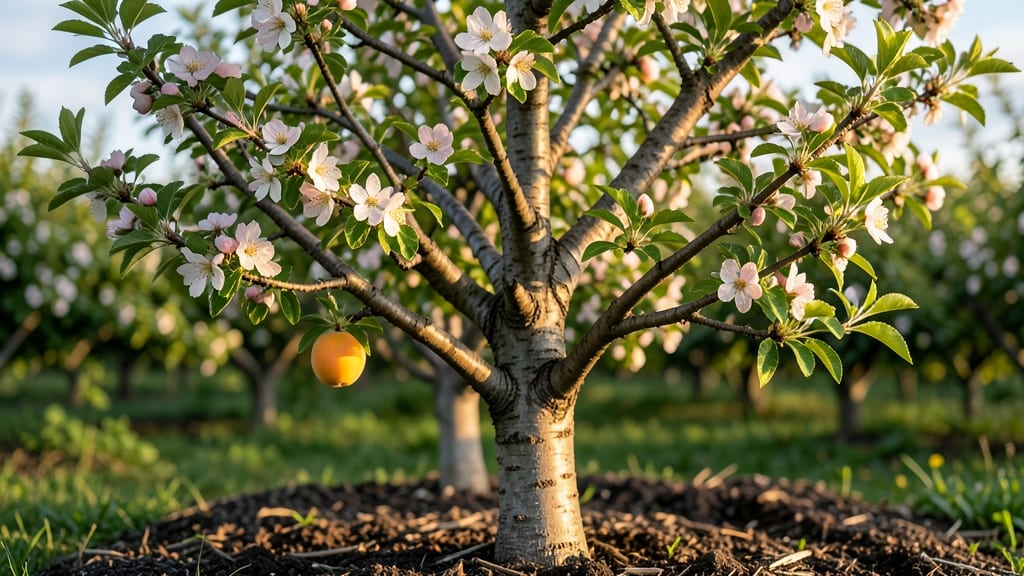
Your apricot tree’s mature height isn’t just about luck—it’s about pruning secrets that shape its future. 🌳 Standard varieties like 'Tilton' can tower 20-25 feet tall, while 'Moongold' stays compact at 12-15 feet, but even dwarf rootstock needs the right cuts to stay in check.
I’ve pruned dozens of these trees, and the difference between a sprawling mess and a perfectly sized fruit producer comes down to timing and technique.
Climate plays a huge role too—warmer zones push trees to grow faster, while colder areas keep them smaller naturally. But even in ideal conditions, rootstock choice is your first lever: semi-dwarf varieties cut height by 30-50% compared to standard trees.
The right spacing (15-20 feet between trees) prevents overcrowding, which stresses plants and stunts growth—something I learned the hard way after my first overplanted orchard.
With the right pruning, you’ll end up with a tree that fits your space perfectly—whether that’s a 6-foot patio dwarf or a 15-foot backyard standard. The key is open-center shaping in early spring, removing suckers aggressively, and thinning branches to let sunlight reach the center where fruit forms.
My trees now produce 20% more apricots than they did before I mastered this approach.
Small gardens? Try 'Goldcot' or 'Cot-n-Candy' on dwarfing rootstock—they max out at 8-10 feet tall while still delivering hundreds of pounds of fruit. The trade-off is slightly smaller individual fruits, but the convenience makes it worth it.
Start with these varieties if space is tight, and always prune after harvest to encourage next year’s growth.
📚 In This Guide
- What you need
- Instructions
- Tips and common mistakes
- Wrapping up and next steps
What you need
- ● Pruning shears: Bypass pruners with sharp, clean blades (for cuts up to ½ inch thick). Pro tip: 💡 Sanitize with rubbing alcohol between cuts to prevent disease spread!
- ● Loppers: For thicker branches (½ to 1½ inches in diameter). Look for bypass or anvil types with long handles for leverage.
- ● Pruning saw: A curved-tooth saw for branches larger than 1½ inches. Safety first! Wear gloves to protect your hands.
- ● Disinfectant: 70% isopropyl alcohol or a commercial pruning sealant to sterilize tools and cuts.
- ● Garden hose or bucket: For rinsing tools and cleaning up sap or debris.
- ○ Tarp or drop cloth: To collect fallen branches and leaves (optional but helpful for cleanup).
- ● Ladder or step stool: Ensure it’s sturdy and tall enough to reach the highest branches safely.
- ● Permanent marker: For labeling branches you plan to remove (if needed).
- ● Hand pruners with ratcheting mechanism: Reduces hand fatigue during long sessions.
- ● Pruning sealant: Helps larger cuts heal faster (use sparingly—only on cuts wider than ½ inch).
- ● Work gloves: Protects hands from thorns and rough bark.
- ● Safety glasses: Shields eyes from debris, especially when using a saw.
- ● Tree growth regulator: If you’re aiming to control height long-term (follow product guidelines!).
- ● Camera or sketchpad: Document the tree’s structure before pruning—great for reference!
Step-by-Step guide to pruning for ideal apricot tree height
Here's how I shape apricot trees to balance growth, fruit production, and manageable size—without sacrificing health or yield.
☀️ Step 1: Assess Your Tree's Current Structure and Growth Habits
Apricot trees naturally grow 15-25 feet tall if left unpruned, but strategic cuts keep them at 8-12 feet—ideal for home orchards. Start by examining the tree's central leader (main upward stem) and scaffold branches (main horizontal limbs). Look for water sprouts (fast-growing vertical shoots) and crossing branches (those rubbing together). These are your first targets.
Use a pruning saw for branches over 1 inch thick and bypass pruners for smaller cuts. I always prune in late winter or early spring, just before buds swell but before new growth begins. This timing ensures you're not removing next season's fruit buds while the tree is dormant. Avoid pruning during wet weather—damp wood invites fungal infections.
✂️ Step 2: Remove Problematic Growth to Encourage Balanced Height
First, cut out any dead, diseased, or damaged branches—these won't produce fruit and can spread problems. Next, remove water sprouts (those shooting straight up from the trunk or branches) unless you want a taller tree. These compete with fruit-bearing wood for energy. For height control, prioritize scaffold branches—keep 3-5 main limbs spaced 12-18 inches apart along the trunk, angled at 45-60 degrees.
When thinning branches, make cuts just outside the branch collar (the swollen area where the branch meets the trunk). Never leave stubs—this invites decay. If a branch is too large to cut cleanly, make a 3-cut technique: Undercut, then cut from above, and finally remove the branch. This prevents bark from tearing. You'll see new growth at the branch tips within 4-6 weeks—this signals the tree is responding well.
🌿 Step 3: Shape for Optimal Airflow and Sunlight Penetration
Apricot trees need full sun (6-8 hours daily) for best fruit production, so open the canopy by removing overlapping branches. Aim for a modified central leader shape—one dominant trunk with 3-4 main scaffold branches per side. Thin out competing vertical shoots to redirect energy into fruit-bearing wood. For height control, shorten the central leader by cutting back to an outward-facing bud—this encourages lateral branching.
Watch for suckers (shoots growing from the base) and remove them immediately. These steal nutrients from the main tree. After pruning, sanitize your tools with rubbing alcohol to prevent spreading disease. You'll notice fewer leaves at the top of the tree after pruning—this is normal as the tree redirects growth downward. Over 2-3 seasons, you'll see a more compact, bushier tree with better fruit access.
🪴 Step 4: Maintain Height Through Seasonal Checks
After the initial pruning, monitor the tree's growth throughout the season. In summer, remove any shoots growing straight up from the scaffold branches—these will only add height. Use your fingers to pinch off new vertical growth while it's still small. For winter pruning, focus on lightening the canopy by thinning out 10-20% of the smallest branches to improve airflow and reduce disease risk.
Apricot trees respond well to gradual pruning—never remove more than 25% of the canopy in one season. You'll see thicker, stronger branches over time as the tree allocates energy to fewer, healthier limbs. If the tree starts growing too tall, prune the leader back harder in subsequent years. The goal is a balanced tree where you can easily reach the fruit without a ladder while maintaining strong structural integrity.
Tips & tricks for perfect apricot tree height management
Getting your apricot tree to the perfect height takes patience and precision—here's how to avoid common mistakes and achieve that ideal 8-12 foot frame.
Pruning Timing is Everything: The late winter to early spring window is critical because it's when trees are dormant but just before buds swell. I've learned this the hard way—pruning too early can remove potential fruit buds, while waiting too late risks encouraging new growth that won't harden off before winter. Mark your calendar for when your local apricot trees typically bloom, then prune about 2-3 weeks before that time. This ensures you're cutting at the perfect moment when the tree is ready to redirect its energy into fruit production rather than vertical growth.
Branch Angle Matters More Than You Think: When selecting scaffold branches in Step 2, pay close attention to their angle—aim for 45-60 degrees from the trunk. I used to cut branches strictly by size, but I noticed my trees developed weak crotches where branches grew too upright. These weak angles often lead to branch breakage under fruit weight. The 45-60 degree range creates natural strength while still allowing sunlight penetration. If you're working with existing branches that are too vertical, make a diagonal cut back to a lateral bud that's angled properly.
The 3-Cut Technique Saves Trees: I can't emphasize this enough—never make a single cut on branches larger than 1 inch in diameter. The 3-cut technique (undercut, top cut, then remove) prevents bark tearing and creates a smoother wound that heals faster. I've seen too many trees develop cankers from improper cuts that left ragged edges. When making your undercut, leave about 1/4 inch of wood between your undercut and where you'll make the top cut. This creates a natural hinge that makes removing the branch effortless without damaging the trunk.
Seasonal Maintenance Prevents Height Creep: Those summer pinching sessions are where you'll see the most immediate results for height control. I make it a habit to do a quick walk-through of my trees every 2-3 weeks during growing season, looking specifically for any new vertical shoots growing from the scaffold branches. The key is to catch these when they're still pencil-thin—you can literally pinch them off with your fingers. This redirection of energy downward is what transforms a tall, lanky tree into a manageable, bushy one over time. Think of it as giving your tree a seasonal haircut to maintain its shape.
Pro Tips for Apricot Tree Height
- Getting your apricot tree to the perfect height takes patience and precision—here's how to avoid common mistakes and achieve that ideal 8-12 foot frame.
- Pruning Timing is Everything: The late winter to early spring window is critical because it's when trees are dormant but just before buds swell.
- Branch Angle Matters More Than You Think: When selecting scaffold branches in Step 2, pay close attention to their angle—aim for 45-60 degrees from the trunk.
Frequently asked questions
Got questions about managing your apricot tree’s height? You’re not alone! Here are some of the most common queries—plus straightforward answers to help you prune like a pro.
How tall can an apricot tree grow without pruning?
An unpruned apricot tree can reach 15–25 feet tall, depending on the variety. Dwarf cultivars stay under 8 feet, while standard trees grow taller. Pruning early keeps it manageable and boosts fruit production. Pro tip: Train young trees to a central leader for better structure!
Is it okay to prune an apricot tree in winter?
Yes! The best time to prune is late winter (after dormancy but before buds swell). Avoid heavy cuts in late fall—it can invite disease. For minimal trees, light pruning in summer (after harvest) helps too. Just sterilize tools with rubbing alcohol to prevent bacterial spread.
Will pruning reduce my apricot harvest?
Not if done right! Pruning increases fruit quality by improving airflow and sunlight exposure. Remove water sprouts and dead wood, but keep 6–12 strong branches for optimal yield. Over-pruning (cutting >25% of branches) may temporarily reduce fruit, but balanced cuts pay off long-term.
How do I stop my apricot tree from growing too tall?
Use the “open-center” method: Trim back the central leader to encourage outward growth. For dwarf varieties, prune aggressively in early years to cap height at 6–8 feet. Annual pruning (every 1–2 years for mature trees) maintains shape. Avoid topping—it causes weak regrowth.
Can I prune an apricot tree in summer?
Light summer pruning (after harvest) is fine—focus on removing suckers and shaping. Avoid heavy cuts during hot spells, as it stresses the tree. If you must prune, do it on cloudy days or water deeply afterward. Summer pruning also helps control size in dwarf varieties.
Wrapping up and next steps
Understanding apricot tree height and mastering pruning techniques can transform your orchard into a thriving, productive space! 🌳 Whether you're shaping a dwarf variety for small gardens or managing a standard tree’s growth, the right cuts at the right time make all the difference.
With patience and precision, you’ll enjoy bountiful harvests and a beautifully structured tree for years to come.
Ready to take action? Grab your pruners and start planning your next pruning session! 🌟 Study your tree’s growth patterns, mark those branches, and give it the care it deserves—your future apricot crop will thank you.