
Trees
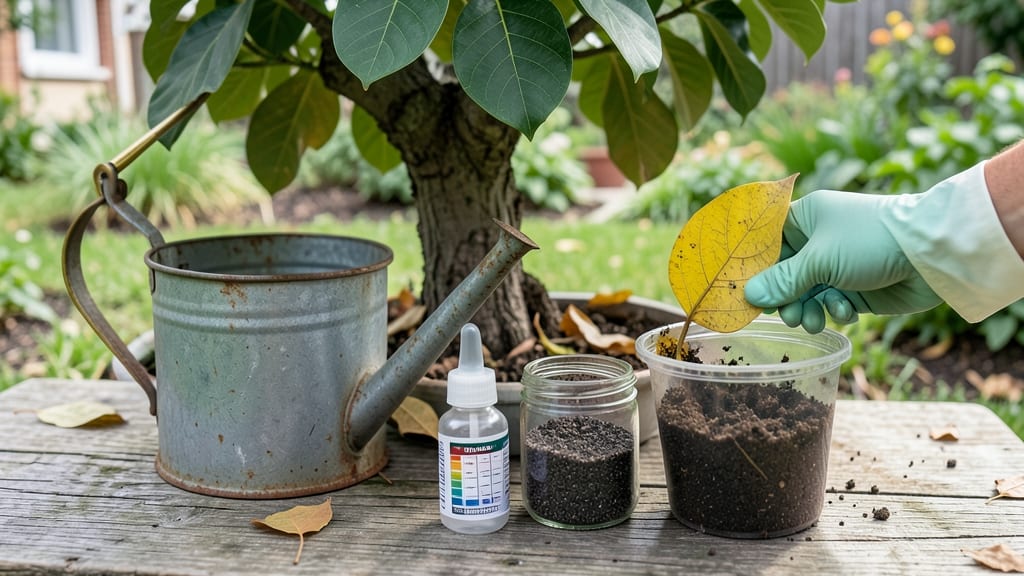
Your avocado tree’s leaves turning yellow scream for help—not just neglect. 🌿 I’ve nursed three avocado trees back to vibrant green, and the fix always starts with pinpointing whether the problem is too much water, missing nutrients, or something sneaking under the leaves.
The good news? Most causes have simple, fast solutions that work within weeks.
Overwatering drowns roots and starves leaves of oxygen, while nutrient deficiencies (like nitrogen or magnesium) show up as yellow patches between veins. Fungal diseases like root rot or pests like spider mites also trigger yellowing, but they leave different clues—sticky residue, tiny webs, or foul-smelling soil.
The first step is checking the roots and soil moisture with your fingers, not just guessing.
By adjusting your watering schedule, adding compost or a balanced fertilizer, and inspecting for pests, you’ll see new growth within 4-6 weeks. The key is consistency: avocado trees hate soggy soil but also dry spells, so aim for moist but never soggy—think damp sponge, not swamp.
Once you fix the root cause, those yellow leaves will fade to make way for glossy, healthy new ones.
This method works for container-grown trees too—just adjust watering frequency since pots dry out faster. The secret weapon? A monthly soil check and a spray of neem oil if you spot pests. Your tree’s comeback starts now.
Root causes behind yellowing leaves
When your avocado tree’s leaves start turning yellow, it’s often a cry for help from the roots—or the soil—up. Understanding the why behind this shift is the first step to reviving your tree’s vibrant green canopy.
Below, we break down the most common culprits, from hidden pests to overlooked care mistakes, with science-backed explanations to help you diagnose the issue accurately.
Avocado trees are tropical natives, but they hate soggy roots. Yellowing leaves are a classic sign of root rot, a fungal infection triggered by excess moisture. Here’s how it happens:
- Oxygen deprivation: Waterlogged soil cuts off oxygen to roots, suffocating them. Roots rely on aerobic conditions to absorb nutrients efficiently. Without oxygen, they start to decay.
- Fungal growth: Fungi like Phytophthora thrive in wet environments, attacking root cells and blocking nutrient transport. This leads to yellowing leaves as the tree struggles to feed itself.
- Toxic buildup: Overwatering flushes out essential nutrients but leaves behind harmful salts or chemicals (like chlorine from tap water), further stressing the roots.
Actionable fix: Let the top 2–3 inches of soil dry out between waterings. If your pot lacks drainage holes, upgrade to a container with them or repot into well-draining soil mix (e.g., 60% cactus/succulent mix + 30% perlite + 10% compost).
Yellow leaves can signal a specific nutrient deficiency, often tied to what’s lacking in the soil. Avocado trees are heavy feeders, and imbalances show up fast. Here’s the breakdown:
| Nutrient | Yellowing Pattern | Why It Happens | Quick Fix |
|---|---|---|---|
| Nitrogen (N) | Older leaves turn yellow first, then brown. | Nitrogen fuels leaf production. A deficiency stalls growth, causing chlorophyll (the green pigment) to break down in mature leaves. | Apply a balanced fertilizer (e.g., 10-10-10) or compost. For potted trees, use a slow-release option like blood meal. |
| Iron (Fe) | New leaves stay yellow (no green), while veins remain green. | Iron is crucial for chlorophyll production. In alkaline soils (pH >7.5), iron becomes unavailable to roots, even if present. | Lower soil pH with sulfur or peat moss. Use a chelated iron supplement (like Iron EDTA) for fast results. |
| Magnesium (Mg) | Yellow patches between veins (interveinal chlorosis), starting on older leaves. | Magnesium is the center of the chlorophyll molecule. Deficiencies disrupt photosynthesis, causing yellowing in areas with the highest metabolic activity. | Apply Epsom salt (magnesium sulfate) to soil (1 tbsp per gallon of water, monthly) or use a magnesium-rich fertilizer. |
| Potassium (K) | Yellowing with brown edges or scorch marks on leaf tips. | Potassium regulates water and nutrient movement. A deficiency weakens cell membranes, leading to dehydration and nutrient leaks. | Use a potassium-rich fertilizer (like wood ash or greensand) or compost tea. |
Pro tip: 💡 Test your soil’s pH and nutrient levels with a DIY kit before guessing. Avocado trees prefer slightly acidic to neutral soil (pH 6.0–7.5).
Not all yellowing is about water or nutrients—sometimes, invisible invaders are to blame. Root-feeding pests and soil-borne diseases can cripple your tree without above-ground symptoms until it’s too late.
- Root knot nematodes: These microscopic worms burrow into roots, creating galls (lumpy growths) that block water and nutrient uptake. Yellowing leaves appear as the tree’s root system collapses.
- Fungal root rot: Pathogens like Armillaria (honey fungus) or Fusarium attack weakened roots, especially in compacted or waterlogged soil.
- Scale insects or mealybugs: While these pests often target leaves, their honeydew secretions can drip onto roots, fostering sooty mold and further stressing the tree.
How to check: Gently dig around the root zone (1–2 inches deep) to look for:
- ✅ Healthy roots: White or light tan, firm, and fibrous.
- ❌ Problem roots: Mushy, dark brown/black (rot), or knotted (nematodes).
Actionable fix: For nematodes, apply neem oil to soil or use beneficial nematodes (Steinernema). For fungal issues, improve drainage and treat with copper fungicide. Prune heavily infested roots and sterilize tools with rubbing alcohol.
Avocado trees are sensitive to their surroundings, and sudden changes can trigger yellowing as a stress response. Here’s what to watch for:
- Temperature extremes: Cold drafts (<40°F) or heatwaves (>90°F) disrupt chlorophyll production. Leaves may yellow to conserve energy until conditions improve.
- Windburn: Constant wind desiccates leaves, causing yellowing on exposed sides. This is common in coastal or high-altitude gardens.
- Transplant shock: Moving a tree disrupts its root system, leading to temporary nutrient uptake issues. Yellowing may appear 2–4 weeks post-transplant.
- Salt buildup: If you’re using tap water or fertilizing heavily, salts can accumulate in the soil, burning root tips and reducing nutrient absorption.
Fix it: Protect trees from wind with burlap screens or move potted trees to a sheltered spot. For transplant shock, water deeply and avoid fertilizing for 4–6 weeks. Flush soil with rainwater to reduce salt buildup.
🔥 Remember: Yellowing leaves are rarely a single issue. Combine these clues—leaf age, pattern, root condition, and growing environment—to narrow down the cause. Start with the most likely culprit (usually water or nutrients) and adjust care accordingly. Your avocado tree’s recovery depends on precision, not guesswork!
Revive Your Avocado Tree Now
Seeing yellow leaves on your avocado tree can be alarming, but the good news is that most issues are fixable with the right care. Below, we’ve broken down practical solutions tailored to the most common causes—from nutrient deficiencies to environmental stressors—so you can restore your tree’s vibrant green foliage.
Remember, early action is key! Let’s get your avocado tree thriving again.
Yellowing leaves often signal a lack of essential nutrients. Here’s how to diagnose and treat the most common deficiencies:
🔥 Chlorosis: Iron or Magnesium Deficiency
If new leaves are pale yellow with green veins, your tree may be starving for iron or magnesium. These nutrients are crucial for chlorophyll production.
- 🍳 Apply Iron Chelate or Epsom Salt
- For iron deficiency: Use an iron chelate fertilizer (like Iron Sulfate) and apply it to the soil or spray it on leaves. Follow package instructions for dosage.
- For magnesium deficiency: Mix 1 tablespoon of Epsom salt (magnesium sulfate) in a gallon of water and spray it on the leaves every 2–4 weeks.
- Pro Tip: 💡 Iron deficiencies are common in alkaline soils. If your soil pH is above 7.0, consider using a soil acidifier (like sulfur) to improve nutrient uptake.
- 👨🍳 Boost Organic Matter
- Amend the soil with compost, well-rotted manure, or worm castings to improve nutrient availability. Work it into the top 6 inches of soil around the tree’s drip line.
- 🌡️ Monitor Soil pH
- Test your soil’s pH (ideal range: 6.0–7.0 for avocados). If it’s too high, add elemental sulfur to lower it gradually.
🥗 Nitrogen Shortage: General Yellowing
If older leaves turn yellow while new growth stays green, your tree may need more nitrogen, a key nutrient for leaf health.
- 📊 Use a Balanced Fertilizer
- Apply a slow-release, organic fertilizer (like 10-10-10 or a compost-based blend) in early spring and again in midsummer. Avoid over-fertilizing, as excess nitrogen can burn roots.
- Pro Tip: ✨ For organic options, try fish emulsion, blood meal, or alfalfa meal—these release nitrogen steadily.
- 🌱 Mulch for Moisture Retention
- Spread 2–4 inches of mulch (wood chips, straw, or pine bark) around the base of the tree (keep it 6 inches away from the trunk). Mulch helps retain moisture and slowly releases nutrients as it breaks down.
Overwatering or underwatering can stress your avocado tree, leading to yellow leaves. Here’s how to strike the right balance:
🔥 Root Rot from Overwatering
Yellow, mushy leaves paired with wilting or dropping foliage may indicate root rot, often caused by soggy soil.
- ⏰ Adjust Your Watering Schedule
- Avocado trees prefer deep, infrequent watering. Water only when the top 2–3 inches of soil are dry (stick your finger in to check).
- Pro Tip: 🌡️ Water early in the morning to reduce evaporation and fungal growth.
- 🌧️ Improve Drainage
- If your tree is in a pot, ensure it has drainage holes. For in-ground trees, consider amending the soil with perlite or sand to improve aeration.
- Avoid planting in low-lying areas where water pools.
- 🔪 Prune Affected Leaves (If Necessary)
- If root rot has spread, trim back severely yellow or dead leaves to redirect the tree’s energy to healthy growth.
🥘 Drought Stress from Underwatering
Yellowing leaves with crispy edges or leaf drop can signal drought stress, especially in sandy or fast-draining soils.
- 💧 Water Deeply and Less Frequently
- Water slowly and deeply (1–2 inches per week, more in extreme heat) to encourage deep root growth. Use a soaker hose or drip irrigation for even distribution.
- Pro Tip: 🎯 For container-grown avocados, water when the top inch of soil feels dry—these trees dry out faster.
- 🌿 Use Drought-Tolerant Mulch
- Mulch helps retain moisture and cool roots. Opt for gravel or bark mulch in hot climates to reduce evaporation.
Sometimes, yellow leaves are a response to environmental factors like pests, disease, or poor location.
🔥 Pest or Disease Damage
Yellowing leaves with holes, spots, or sticky residue may indicate pests (like spider mites, scale, or aphids) or fungal/bacterial infections.
- 🍳 Treat Pests Naturally
- Spider mites/scale: Spray leaves with neem oil or insecticidal soap (follow label instructions). Repeat every 5–7 days until pests are gone.
- Aphids: Blast them off with a strong stream of water or use horticultural oil.
- Pro Tip: 💡 Introduce beneficial insects like ladybugs or lacewings to control pests naturally.
- 🌡️ Prevent Fungal Issues
- If leaves have black spots or powdery mildew, improve air circulation by pruning dense foliage and avoid overhead watering.
- Apply a copper fungicide or baking soda spray (1 tsp baking soda + 1 quart water + a drop of dish soap) for fungal control.
🥘 Wrong Location or Sun Exposure
Avocado trees thrive in full sun (6+ hours daily) and warm climates. Too much shade or cold drafts can cause yellowing.
- 🌞 Relocate or Prune for Sunlight
- If your tree is in shade, transplant it to a sunnier spot (avocados need warmth to thrive).
- For indoor trees, place near a south-facing window or use grow lights for 12+ hours/day.
- 🌡️ Protect from Cold Drafts
- Avocados are tropical—keep them away from AC vents, doors, or cold windows. In winter, move potted trees indoors if temperatures drop below 50°F (10°C).
Once your avocado tree is back in shape, keep these tips in mind to prevent future yellowing:
- 📊 Test Soil Regularly: Check soil every 1–2 years for pH and nutrient levels. Adjust with amendments as needed.
- 🌱 Fertilize Seasonally: Use a balanced fertilizer in spring and summer, but avoid fertilizing in fall/winter.
- 💧 Water Wisely: Stick to a consistent schedule—better to underwater slightly than overwater.
- 🌿 Monitor for Pests Early: Inspect leaves weekly for signs of pests or disease. Act fast to avoid spread!
- 🌞 Provide Ideal Growing Conditions: Ensure your tree gets plenty of sunlight, good drainage, and protection from extreme temperatures.
With these targeted fixes, your avocado tree should bounce back with lush, green leaves in no time. 🌿✨ Keep an eye on its progress, and don’t hesitate to adjust care as needed—your tree will thank you with delicious fruit down the road!
Frequently asked questions
Why are my avocado tree's oldest leaves turning yellow first?
This is usually a sign of nitrogen deficiency, where the tree prioritizes new growth over mature leaves. Nitrogen fuels leaf production, so when it's lacking, older leaves yellow first as the tree redirects nutrients. Try applying a balanced fertilizer (like 10-10-10) or compost to restore nitrogen levels.
How do I tell if my avocado tree has root rot?
Check for mushy, dark brown/black roots when you gently dig around the base. Yellowing leaves paired with wilting or dropping foliage are classic signs. Improve drainage immediately by amending soil with perlite or repotting if needed—avocado trees hate soggy roots!
Can I use Epsom salt for yellow leaves?
Yes! If you see yellow patches between veins (interveinal chlorosis), your tree likely needs magnesium. Mix 1 tablespoon of Epsom salt in a gallon of water and spray it on leaves monthly. This works for both soil application and foliar feeding—just avoid overdoing it.
Will pruning yellow leaves help my avocado tree?
Pruning severely yellow or dead leaves can help, but only after you've addressed the root cause (like water issues or nutrient deficiencies). Remove up to 25% of affected foliage to redirect the tree's energy to healthy growth—never prune more than that at once.
How often should I fertilize an avocado tree with yellow leaves?
Start with a balanced fertilizer (like 10-10-10) every 6-8 weeks during growing season (spring/summer). For potted trees, use half the recommended dose to avoid burning roots. Test soil first—over-fertilizing can worsen yellowing by causing salt buildup.