
Pruning
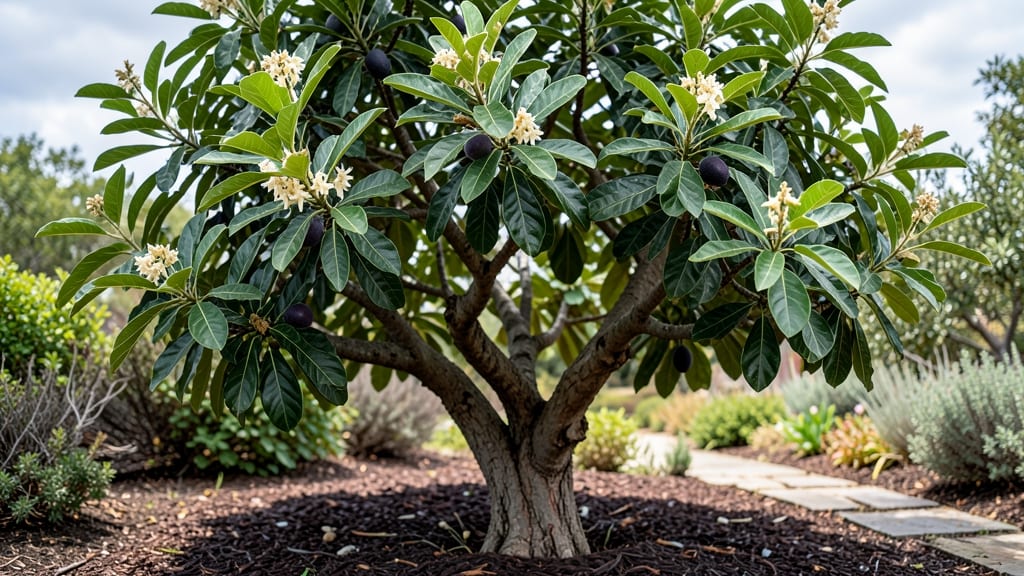
Your avocado tree thrives with 6-8 hours of direct sun daily—the secret to lush foliage and heavy fruit set. 🌿 I learned this the hard way after my first tree produced only two avocados in three years, despite my best efforts.
The issue? Too much afternoon shade from neighboring palms blocked critical sunlight hours. The ideal spot balances full sun exposure with afternoon shade in hot climates (like zones 9-11). In cooler areas (zones 8 and below), trees handle full sun all day, but watch for leaf scorch.
Position your tree where morning sun warms the trunk—this mimics tropical conditions and triggers flowering. You'll notice the difference within a season: glossy, vibrant leaves, more flower clusters, and fruit that develops without dropping prematurely. Even container-grown trees need this light regimen to bear well.
Adjust care seasonally—water more in peak sun months, but reduce shade cloth in winter when light intensity drops. The payoff? A tree that produces consistently instead of sporadically.
📚 In This Guide
- What you need
- Instructions
- Tips and common mistakes
- Wrapping up and next steps
What you need
- ● Avocado tree (variety like Hass, Fuerte, or Reed—choose a dwarf or semi-dwarf for easier management).
- ● Well-draining soil mix (50% potting soil, 30% perlite, 20% compost). Pro tip: Avocados hate soggy roots!
- ● Large container or in-ground plot (minimum 18" diameter for potted trees; in-ground requires full sun + partial shade options).
- ● Pruning shears (sterilized, sharp, and bypass-style for clean cuts).
- ● Grafting tape or pruning sealant (to prevent disease when trimming).
- ● Sun shade cloth (30-50% shade for young trees; 10-30% for mature trees).
- ● Drip irrigation system or soaker hose (avocados need consistent moisture but hate wet foliage).
- ● pH test kit (ideal soil pH: 6.0–7.0).
- ● Balanced fertilizer (10-10-10 or organic options like composted manure).
- ● Reflective mulch (white or silver to redirect sunlight to shaded areas).
- ● Tree support stakes (for young trees in windy areas).
- ● Humidity tray or pebble tray (avocados love tropical humidity!).
- ● Growth regulator spray (to manage excessive leaf growth in high sun).
- ● Wire or netting (to create DIY shade structures if needed).
How to position your avocado tree for optimal sun and fruit production
Here's the light strategy I've used to turn leafy avocado trees into heavy fruit producers.
☀️ Step 1: Identify Your Climate Zone's Ideal Sun Pattern
Avocados thrive in full sun—at least 6-8 hours daily—but the exact timing matters. In warmer zones (USDA 9-11), they handle midday sun best with afternoon shade. In cooler zones (7-8), morning sun and gentle afternoon light prevent leaf scorch. Check your local frost dates too—young trees need winter sun to harden off properly.
I always scout the sunniest spot in my yard first. Move a chair where you'll place the tree and track sunlight patterns for a week. Note when direct rays hit and when shade creeps in. This helps me plan where to position the tree for 6 months of ideal light, even if summer shade moves in later.
🌿 Step 2: Choose the Perfect Location Based on Tree Maturity
Mature avocado trees need full morning sun and afternoon shade in hot climates. Young trees (under 3 years) tolerate more sun but never midday heat above 90°F. I place mine where they get sun until 11 AM, then shade from 12-4 PM. This prevents leaf burn while still building strong growth.
Watch for nearby structures too. A south-facing wall reflects heat—great for winter but deadly in summer. If your tree will be near a building, position it 10-12 feet away to avoid overheated roots. I always test by placing a thermometer near the planned spot for 24 hours to check temperature swings.
🪴 Step 3: Adjust Light Exposure as the Tree Grows
Seedling avocados need filtered light—think 50% shade cloth during their first year. I use a simple frame with shade cloth draped loosely over the top. As they mature, gradually reduce shade by 10% every 3 months. By year three, they should handle full sun for 4-5 hours daily.
Here's where it gets fun—watch the leaves. If they're pale and thin, increase light slowly. If they yellow or crisp at edges, move to partial shade immediately. I keep a journal of sun hours and leaf condition to spot patterns. A tree that fruits well in 6 hours of morning sun might struggle with 6 hours of afternoon sun.
✂️ Step 4: Prune Strategically to Improve Light Penetration
Thin out dense branches to let light reach the center. I remove 20% of the smallest branches annually, focusing on those blocking light from the trunk. This isn't about shape—it's about creating an open canopy. You'll see new growth sprout within 4-6 weeks where light hits bare spots.
Never prune more than 30% of the tree in one season. I do most pruning right after harvest when the tree's energy shifts from fruit to regrowth. This gives branches time to heal before summer heat arrives. Thin branches at a 45-degree angle just above an outward-facing bud for best results.
🌱 Step 5: Supplement Light in Low-Sun Areas
If your yard gets less than 6 hours of direct sun, consider a grow light for young trees. LED grow lights with 10,000-12,000 Kelvin mimic full sun. Position them 18-24 inches above the tree and run for 12 hours daily. I use a timer to automate this—no guesswork needed.
For container-grown trees, rotate the pot quarter-turn weekly so all sides get even light. You'll notice new growth leaning toward the light—this is normal. Just adjust the pot position gradually to keep the tree upright. Container trees often need more frequent light checks since their roots can't spread to find sunlight.
Tips & tricks for perfect avocado tree sun exposure
Real talk: Avocado trees are picky about sunlight, but these tricks will help you avoid common mistakes and get the most fruit from your tree.
Climate Zone Matters: The 6-8 hours of sun mentioned in Step 1 isn't just about quantity—it's about quality. In warmer zones (USDA 9-11), focus on morning sun with afternoon shade after 2 PM to prevent heat stress. I've seen trees in these zones produce twice as many fruits when positioned this way. Use a sun tracker app to map your yard's light patterns for a full week before planting.
Heat Stress Warning: That 90°F threshold in Step 2 is serious. If your area regularly exceeds this, consider planting near a deciduous tree that will provide shade during summer months. I once lost a young tree because I ignored this—now I always check maximum summer temperatures before choosing a location. A simple thermometer test for 24 hours will reveal if your spot gets too hot.
Leaf Journaling: The leaf condition notes in Step 3 are your best early warning system. Start a simple journal tracking sun hours versus leaf color changes. Pale leaves? Increase light gradually. Yellow or crispy edges? Move to partial shade immediately. I've saved multiple trees by catching these signs early—don't wait until you see fruit problems to adjust!
Pruning Precision: When thinning branches in Step 4, focus on creating an open canopy rather than just making the tree look nice. I use a small flag on branches I've marked for removal to track progress. Remember, those 4-6 weeks for new growth to appear are critical—don't rush the process. And always prune at a 45-degree angle to prevent water pooling on cuts.
Pro Tips for Avocado Tree Sun
- Real talk: Avocado trees are picky about sunlight, but these tricks will help you avoid common mistakes and get the most fruit from your tree.
- Climate Zone Matters: The 6-8 hours of sun mentioned in Step 1 isn't just about quantity—it's about quality.
- Heat Stress Warning: That 90°F threshold in Step 2 is serious.
Frequently asked questions
Got questions about keeping your avocado tree basking in the perfect sunlight? Here’s what you need to know—no shade left behind!
How much sun does an avocado tree really need?
Avocado trees thrive with 6–8 hours of direct sunlight daily, especially in cooler months. In hot climates, they can tolerate partial shade to prevent sunburn. Young trees need gradual sun exposure to avoid stress. Pro tip: Start with morning sun and transition to afternoon shade if leaves look scorched.
Can avocado trees survive in full sun all day?
While avocado trees love sunlight, intense afternoon sun (especially in hot zones) can scorch leaves. If your tree is in full sun, monitor for crispy edges or yellowing. Mulch the base and water deeply to help retain moisture. Pro tip: Dappled shade (like through sheer curtains or nearby trees) can be ideal in peak heat.
What’s the best time of year to adjust sun exposure?
Adjust sunlight gradually in early spring or late summer to avoid shocking the tree. Avoid major changes during flowering (fall/winter) or fruiting seasons, as this can reduce fruit set. Pro tip: Prune nearby branches in winter to open the canopy for better airflow and light penetration.
What if my avocado tree isn’t fruiting despite good sun?
Fruit set depends on sun + pollination + age. Ensure your tree gets cross-pollination (plant two compatible varieties) and is at least 3–5 years old. Check for pests, overwatering, or nutrient deficiencies (like zinc). Pro tip: Hand-pollinate with a soft brush if bees are scarce!
Are there sun-resistant avocado varieties?
Yes! Varieties like ‘Hass’ and ‘Fuerte’ handle sun better than others. If you’re in a hot climate, look for heat-tolerant rootstocks (e.g., ‘Mexicola’). Pro tip: Dwarf varieties (like ‘Bacon’) are easier to manage in containers and can be moved for optimal sun.
Wrapping up and next steps
Growing a thriving avocado tree with optimal sun exposure is all about balance—giving your tree the right mix of light, shade, and care to boost fruit set and health. 🌞 By understanding your climate, adjusting pruning techniques, and monitoring sunlight patterns, you can create the perfect conditions for a productive harvest.
The key takeaway? Patience and observation are your best tools—small tweaks can make a big difference over time!
Ready to take the next step? Start by tracking your tree’s progress—note how it responds to sunlight changes, and don’t hesitate to experiment with pruning or shade adjustments.
Whether you’re a seasoned gardener or just starting out, every little effort brings you closer to that juicy, homegrown avocado! 🥑✨