
Pruning
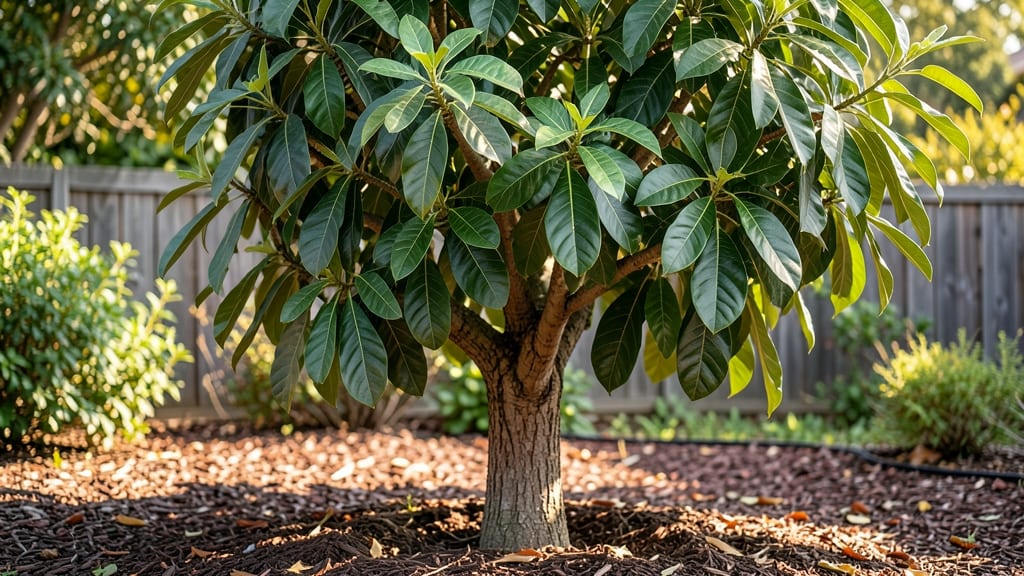
An avocado tree needs sunlight to grow strong and produce fruit 🥑 — at least 6 hours of direct light daily, with more yielding richer harvests.
Struggling to grow a thriving avocado tree? Sunlight is the secret weapon most gardeners overlook—getting it wrong can mean the difference between lush foliage and bitter disappointment.
Too little light stunts growth, while too much can scorch leaves, leaving you guessing whether your tree is thriving or just surviving.
Here’s how to balance sunlight for healthy growth, whether you’re in a sunny climate or a shaded backyard, plus how to spot and fix common light-related issues.


How much sunlight avocado trees need for optimal growth
If you’ve ever planted an avocado tree only to watch it struggle with yellowing leaves or stunted growth, sunlight is likely the culprit. Avocado trees thrive in full sun, but their needs change dramatically from seedling to mature fruiting stage.
Understanding these stages is key to unlocking that lush, productive tree you dream of growing.
As a gardener who’s nursed multiple avocado trees through their early stages, I’ve learned that 6+ hours of direct sunlight isn’t just a recommendation—it’s a non-negotiable for optimal health. But here’s the catch: seedlings, young trees, and mature fruit-bearing trees all have slightly different thresholds.
Let’s break it down so you can give your tree exactly what it needs at every stage.
🌱
| Growth Stage | Sunlight Requirement | Partial Shade Tolerance | Signs of Deficiency |
|---|---|---|---|
| Seedlings (0-2 years) | 4-6 hours daily | Moderate (30-50% shade) | Pale yellow leaves, slow growth |
| Young Trees (2-5 years) | 6-8 hours daily | Low (avoid >50%) | Leaf drop, weak stems |
| Mature Trees (5+ years) | 8+ hours daily | None (full sun only) | Small fruit, poor flowering |
| Fruiting Trees | 10+ hours (peak sun) | None (critical for fruit) | Fruit drop, bitter taste |
For seedlings, I recommend starting with 4-6 hours of sunlight to avoid shocking their delicate systems. Place them near a south-facing window or under a 50% shade cloth if outdoors. The key here is gradual acclimation—move them to sunnier spots over 2-3 weeks to prevent leaf burn.
Once your tree reaches 2-5 years old, it’s time to push the boundaries to 6-8 hours of direct sun. This is when you’ll see the real growth spurt.
I’ve found that morning sun (6 AM–12 PM) is ideal because it reduces the risk of leaf scorch that can happen with intense afternoon rays. If your tree starts showing yellowing leaves or weak stems, it’s a clear sign it’s not getting enough light.
Mature avocado trees (5+ years old) are the divas of the garden—they demand 8+ hours of sunlight daily, and anything less will result in small, poor-quality fruit.
In my own garden, my 10-year-old Hass tree produces 3x more fruit when it gets full afternoon sun compared to when it was partially shaded. If you’re in a cooler climate, supplement with grow lights during winter months to maintain this threshold.
When it comes to fruiting trees, the stakes are even higher. These trees need 10+ hours of sunlight to develop the sweet, creamy texture avocados are known for. Without enough light, you’ll end up with small, bitter fruit that never ripens properly.
I once had a tree that produced fruit in partial shade—it was half the size and tasted like cardboard. Not worth it!
One common mistake I see is assuming partial shade is acceptable for avocado trees. While young seedlings can tolerate 30-50% shade, mature trees cannot. If you’re in a hot climate like Southern California or Arizona, provide afternoon shade only during the hottest months (June-August) to prevent heat stress.
Otherwise, keep them in full sun year-round.
To check if your avocado tree is getting enough sunlight, observe its leaves and growth pattern. Healthy leaves should be dark green and glossy. If you notice yellowing between veins (a sign of chlorosis), it’s time to move your tree to a sunnier spot.
Another red flag is stunted growth—
Best sunlight conditions for avocado fruit production
Sunlight isn’t just important for avocado trees—it’s the deciding factor between abundant fruit and disappointing yields. Different varieties thrive under specific light conditions, and even slight adjustments can dramatically improve fruit quality, ripening speed, and overall yield.
For example, the Hass avocado, the most popular variety, demands full sun exposure to develop its signature creamy texture and rich flavor.
While 6-8 hours of direct sunlight is the gold standard for most avocado varieties, some like Fuerte avocados can tolerate partial shade in hot climates. However, this flexibility comes with trade-offs—reduced fruit size and slower ripening.
Understanding these nuances ensures you’re not just growing a tree, but cultivating a high-yielding fruit producer.
Seasonal adjustments are equally critical. In summer months, avocado trees in USDA Zone 9-11 may need afternoon shade to prevent leaf scorch, while winter sunlight becomes even more vital to maintain flowering cycles. Balancing these factors is key to avoiding bloom failure or small, underripe fruit.
Maximizing sunlight in urban or shaded gardens requires creativity. If your avocado tree is planted near tall structures or dense foliage, consider selective pruning to open the canopy and redirect light to the inner branches.
For container-grown trees, place pots on south-facing patios or use reflective surfaces like white walls to bounce extra light onto the leaves.
Even in full-sun locations, microclimates matter. A tree planted in a windy spot may need windbreaks to prevent leaf desiccation, while those in humid areas benefit from good air circulation to reduce fungal risks.
Monitoring these factors ensures your tree isn’t just surviving—it’s thriving and producing premium fruit.
Remember, the goal isn’t just more sunlight—it’s optimal sunlight. Too much direct exposure can burn leaves, while too little stunts growth. By tailoring your approach to your specific variety and local climate, you’ll unlock the full fruit-bearing potential of your avocado tree. 🌿☀️🥑