
Pests
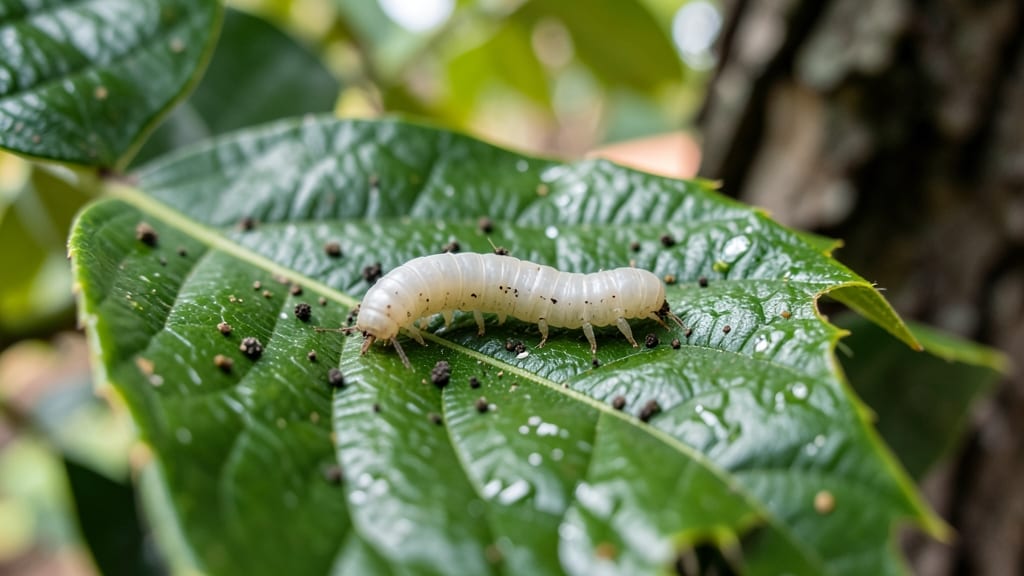
Your avocado tree’s struggling health might be a worm problem—and it’s fixable. 🌿 These silent invaders (like avocado seed moth larvae or root-knot nematodes) chew through roots and fruit, but a 5-step rescue plan can turn things around before they spiral.
I’ve seen trees go from wilting to thriving in just a few weeks with the right approach.
The damage starts small—tiny holes in fruit, stunted growth, or yellowing leaves—but if ignored, worms can kill a tree. The good news? Most infestations respond to organic treatments like neem oil, beneficial nematodes, or even simple soil amendments. Chemical sprays work too, but they’re a last resort for organic growers.
By the end, you’ll know how to spot the signs early, apply targeted fixes, and keep your tree worm-free long-term. No more guesswork—just a clear, step-by-step plan to save your harvest. Let’s get your avocado tree back to its healthiest self.
Works for home gardens, urban containers, or large orchards—no matter the size, these methods adapt. The key is acting fast before the damage spreads. Ready to rescue your tree?
Root Causes Behind Tree Worms
When your avocado tree starts showing signs of distress—chewed leaves, silken webbing, or tiny holes in the fruit—it’s often a sign of unwanted worm guests. These pests don’t just appear out of nowhere; they’re drawn to specific conditions that make your tree an all-you-can-eat buffet.
Understanding why these worms target your tree is the first step to stopping them in their tracks. Let’s break down the key factors that turn your avocado tree into a worm magnet.
Avocado trees under stress are like open invitations for pests. When trees are crowded (too close to other plants or structures) or nutritionally deficient, their natural defenses weaken. Worms like the avocado seed moth or fruit borers thrive in these conditions because:
- Poor air circulation creates damp, humid microclimates—ideal for worm eggs to hatch and larvae to multiply.
- Weakened sap flow (from drought or overwatering) makes it easier for larvae to burrow into stems and fruit.
- Nutrient deficiencies (especially nitrogen or potassium) reduce the tree’s ability to produce bitter compounds that deter pests.
Actionable fix: Prune for better airflow, mulch to retain moisture without over-saturating roots, and fertilize with a balanced formula (like 10-10-10) to boost tree resilience.
Worms have a serious sweet tooth—especially for unripe or injured avocados. The avocado fruit borer (a common culprit) is drawn to:
- Soft, immature fruit (easier to penetrate than firm, ripe avocados).
- Scratches or bruises from birds, hail, or poor harvesting, which create entry points for eggs and larvae.
- Overripe or fallen fruit on the ground, which ferments and attracts egg-laying adults.
Scientific note: Worms detect volatile organic compounds (VOCs) emitted by stressed or damaged fruit—like a dinner bell for pests.
Actionable fix: Harvest fruit at the right stage (when it yields slightly to gentle pressure), use netting to protect against bird damage, and remove fallen fruit immediately to break the worm life cycle.
Worms are temperature-sensitive. Most avocado tree worms (like the avocado looper) prefer:
- Warmth (75–90°F): Eggs hatch faster in heat, and larvae grow rapidly.
- High humidity (60%+): Moist conditions keep eggs from drying out and help larvae survive longer.
- Shade + moisture: Dense foliage traps humidity, creating the perfect worm nursery.
Actionable fix:
- Thin out dense branches to improve sunlight penetration.
- Water deeply but less frequently to reduce soil moisture levels.
- Use reflective mulch (like silver plastic) to deter pests with light and heat.
Worms don’t just infest living trees—they hibernate in debris. Old leaf litter, fallen branches, and even pruning waste can harbor:
- Pupae (worm cocoons) that emerge as adults when conditions warm up.
- Egg masses laid by moths or beetles in protected, dark areas.
- Alternative food sources (like fungal growth on decaying wood) that sustain larvae.
Actionable fix: Clear all organic debris from under the tree and around the trunk. Use a shredder or compost bin for prunings, and avoid leaving mulch piled against the trunk.
In a healthy ecosystem, birds, parasitic wasps, and beneficial nematodes keep worm populations in check. But if your tree is isolated or you’ve used broad-spectrum pesticides, you’ve likely disrupted this balance. Worms multiply unchecked when:
- Predatory insects (like ladybugs or lacewings) are absent.
- Bird activity is low (due to habitat loss or noise).
- Soil microbes (which compete with worm larvae) are depleted.
Actionable fix:
- Install birdhouses or bat boxes near the tree.
- Avoid chemical pesticides; opt for neem oil or Bacillus thuringiensis (Bt) instead.
- Plant companion plants like marigolds or basil to attract beneficial insects.
Quick Fixes for Wormy Trees
If your avocado tree is under siege by worms, don’t panic—there are effective, natural ways to restore its health and deter future infestations. Below, we’ve mapped out practical solutions based on the most common causes of worm damage, from larval outbreaks to fungal hitchhikers.
Each fix is easy to implement, whether you’re a green thumb or a gardening newbie.
If you’re spotting tiny holes, silk webbing, or frass (worm poop) on leaves or fruit, larvae (like those from avocado seed moths or looper caterpillars) are likely the culprits.
🔥 Step 1: Manual Removal (Best for Small Infestations)
- 👨🍳 Pick them off during early morning when worms are sluggish.
Drop them into soapy water (1 tbsp dish soap per gallon) to kill them instantly. - 🍳 Check fruit & leaves weekly—focus on the top 3 feet of the tree, where larvae love to hide. - ⏰ Pro tip: Use gloves to avoid skin irritation from some caterpillar hairs (like those from avocado looper moths).
🥘 Step 2: Natural Sprays (Organic & Effective)
| Solution | How to Use | Frequency |
|---|---|---|
| Neem Oil Spray | Mix 1 tbsp neem oil + 1 tsp mild soap in 1 quart water. Spray undersides of leaves (where eggs hide). | Every 5–7 days until worms vanish. |
| Bacillus thuringiensis (Bt) | Sprinkle Bt powder (safe for bees!) on leaves when wet—it kills larvae on contact. | Every 7–10 days. |
| Spinosad (Organic Pesticide) | Dilute 1 tsp per gallon of water. Spray at dusk to avoid harming pollinators. | Every 2 weeks. |
- 💡 Pro tip: Shake the tree gently before spraying to dislodge hidden larvae.
🔪 Step 3: Physical Barriers (Prevent Reinfestation)
- 🌿 Cover young trees with fine mesh netting (like fruit tree bags) to block adult moths from laying eggs.
- 🍎 Remove fallen fruit/leaves from the base—these are egg-laying hotspots.
If your tree has soft, mushy spots or white fungal growth, root or fruit borers (often linked to fungal infections) may be tunneling inside.
🌡️ Step 1: Prune & Sterilize
- ✂️ Cut out infected branches 6 inches below the damage. Burn or bag them (do not compost!).
- 🔥 Sterilize pruners with rubbing alcohol or a 10% bleach solution between cuts.
🎯 Step 2: Soil Treatment (For Root Worms)
- 💧 Drench the root zone with a mix of:
- 1 tbsp hydrogen peroxide (3%) + 1 gallon water (oxygenates soil, discourages fungi).
- 1 tbsp molasses + 1 gallon water (feeds beneficial microbes that outcompete pests).
- ✨ Pro tip: Add compost or mycorrhizal fungi to boost tree resilience.
🛡️ Step 3: Copper Fungicide (For Fruit Borers)
- Apply copper spray (like Copper Soap) to trunk and branch cracks where borers enter.
- ⏰ Best time: Late afternoon to avoid leaf burn.
Instead of chemicals, encourage nature’s pest control:
- 🐝 Ladybugs & lacewings eat avocado seed moth eggs.
- 🕷️ Spiders & parasitic wasps hunt larvae.
- 🌿 Plant companion flowers like marigolds or alyssum near your tree to attract them.
💡 Pro tip: Avoid broad-spectrum pesticides—they kill good bugs too!
Once your tree is worm-free, lock in those gains with these long-term strategies:
✅ 🌱 Healthy Tree = Strong Defense
- 💧 Water deeply but infrequently (worms love soggy soil).
- 🍽️ Feed with compost (not synthetic fertilizers) to boost tree immunity.
✅ 🕵️ Regular Scouting
- 🔍 Inspect trees every 2 weeks, especially after rain (when eggs hatch).
- 📅 Mark your calendar for spring & fall—peak worm seasons!
✅ 🧹 Sanitation Stations
- 🍎 Remove dropped fruit within 24 hours (worms lay eggs in them).
- 🪴 Clean up leaf litter under the tree (worms pupate here).
🎉 Result? A worm-free, thriving avocado tree that keeps producing juicy, blemish-free fruit for years! 🥑✨
Frequently asked questions
What are the most common types of worms attacking avocado trees?
Your tree might be hosting avocado seed moth larvae (tiny white grubs in fruit), root-knot nematodes (microscopic soil worms causing galls), or fruit borers (larvae tunneling into stems). The first two thrive in moist soil, while borers target stressed trees. Check for tiny holes in fruit or yellowing leaves as key clues.
How do I know if my avocado tree has a worm problem?
Look for silken webbing on leaves, small exit holes in fruit (like tiny pinpricks), or frass (worm poop) on branches. Root issues show as stunted growth or galls on roots when you dig. Early signs often appear on young leaves or unripe fruit—don’t wait until damage spreads!
Is neem oil safe to use on avocado trees?
Yes! Neem oil is highly effective against worm eggs and larvae when applied correctly. Mix 1 tbsp neem oil + 1 tsp mild soap in 1 quart water and spray undersides of leaves (where eggs hide). Apply every 5–7 days until worms disappear. Avoid spraying during direct sunlight to prevent leaf burn.
Can I save fruit already damaged by worms?
If the damage is superficial (small holes, no tunneling), you can still eat the fruit—just peel and wash thoroughly. For deep tunneling (like borer trails), discard the fruit to prevent spreading eggs. Always remove fallen fruit immediately—it’s a worm breeding ground!
How long does it take to eliminate worms from an avocado tree?
With consistent treatment, you’ll see visible improvement in 2–3 weeks. Manual removal + neem oil sprays work fastest for leaf-eating larvae, while soil drenches (hydrogen peroxide/molasses mix) take 4–6 weeks to clear root worms. Monitor closely—worms often return if you stop treatments mid-cycle!