
Pruning
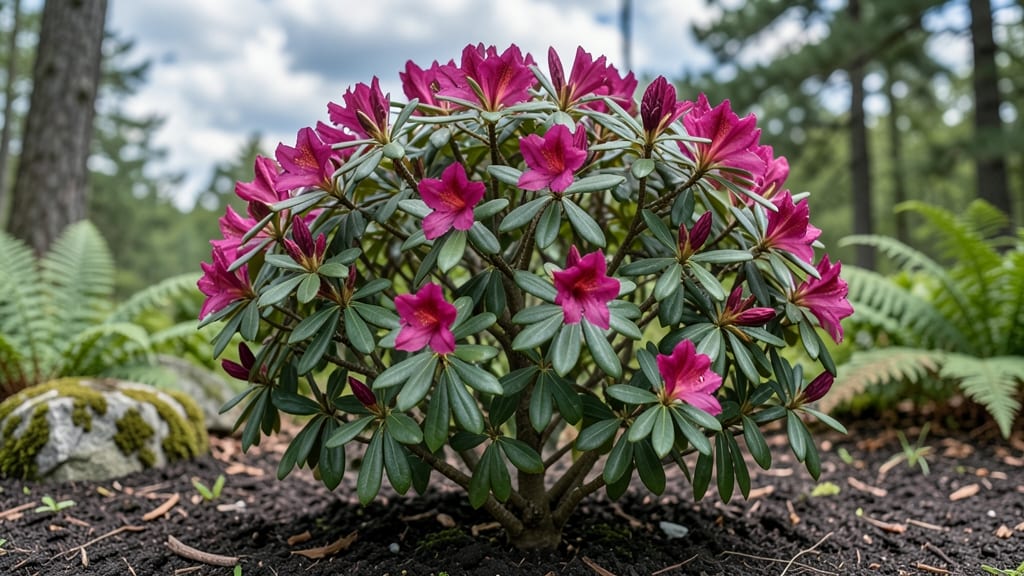
Your azalea’s height isn’t just about genetics—it’s about the right cuts at the right time. 🌸 I’ve watched azaleas grow from 2-foot shrubs to 12-foot trees, and the difference comes down to pruning timing, technique, and understanding your variety’s natural growth habit.
Evergreen types like Rhododendron obtusum stay compact (3–6 feet) without heavy pruning, while deciduous Rhododendron molle can reach 10+ feet if left unchecked.
Sunlight and soil play bigger roles than most gardeners realize. Azaleas in full sun grow taller but produce fewer blooms, while those in partial shade stay bushier. Amend your soil with peat moss or pine bark—acidic, well-draining soil is non-negotiable for height control.
And here’s the kicker: pruning in late spring (after blooms fade) encourages next year’s flowers, while summer pruning can stunt growth entirely.
For compact azaleas, trim back 1/3 of the oldest stems to the ground each year—this forces new growth from the base. Want a tree form? Select one central leader and remove competing branches.
Spacing matters too: plant azaleas 4–6 feet apart for air circulation, or you’ll fight fungal diseases that slow growth and distort shape.
Pro tip: Use sharp, clean shears and sterilize them with rubbing alcohol between cuts. Over-pruning in one season won’t kill your azalea, but it’ll take 2–3 years to recover its natural shape. The key is patience—azaleas reward consistent, gentle guidance over drastic cuts.
📚 In This Guide
- What you need
- Instructions
- Tips and common mistakes
- Wrapping up and next steps
What you need
- ● Pruning shears: Bypass pruners (for clean cuts) or anvil pruners (for thicker branches). Choose sharp, high-quality shears (e.g., Fiskars or Felco brands).
- ● Loppers: Bypass loppers (8–12" handles) for branches ½–2 inches thick.
- ● Hand pruners: Bypass or ratcheting for small stems (¼–½ inch).
- ● Pruning saw: Curved-tooth saw for branches 2+ inches thick (e.g., Bahco or Corona).
- ● Gloves: Heavy-duty, cut-resistant gloves (e.g., Mechanix or Wright & McGill) to protect from thorns.
- ● Disinfectant: 70% isopropyl alcohol or rubbing alcohol + water (1:1 ratio) to clean tools between cuts.
- ● Rag or paper towels: For wiping tools and hands.
- ● Measuring tape: 10–25 ft for tracking height and branch lengths.
- ○ Ladder (optional): Sturdy, extendable ladder (e.g., Werner or Louisville) for tall azaleas (6+ ft).
- ○ Safety gear (optional): Safety glasses (to protect from debris).
- ● Dust mask (if pruning in dry, dusty conditions).
- ● Know your azalea type: Deciduous (e.g., Rhododendron) or evergreen (e.g., Enkianthus). Pruning timing varies!
- ● Best pruning season: Deciduous azaleas: Prune right after blooming (late spring).
- ● Evergreen azaleas: Prune late winter to early spring (before buds swell).
- ● Weather check: Choose a calm, overcast day (avoid pruning in extreme heat or wind).
- ● Healthy tree: Wait until the azalea is fully established (typically 2–3 years old) before heavy pruning.
- ● Sterilize tools: Always disinfect between cuts to prevent bacterial/fungal infections (e.g., azalea gall).
- ● Sharp is key: Dull tools crush stems, making wounds slow to heal. Sharpen blades seasonally.
- ● Plan your cuts: Sketch a rough outline of your desired shape before pruning!
- ● Compost branches: Small pruned branches (½ inch or less) can be composted for nutrient-rich soil.
How to control azalea tree height through strategic pruning
Mastering azalea pruning transforms wild, sprawling growth into a perfectly shaped specimen—whether you want a bushy shrub or a towering focal point.
✂️ Step 1: Time Pruning for Optimal Bloom and Growth
Prune azaleas immediately after flowering, typically in late May or early June. This timing ensures you don’t cut off next year’s buds, which form on old wood. If you prune too early, you risk removing flower buds before they open. Wait until all blooms have faded completely before making cuts.
Here's the thing—azaleas bloom on last year’s growth, so pruning at the wrong time can leave you with bare branches. I always mark my calendar with the last frost date and prune 6-8 weeks after the final bloom. This gives the plant time to set new buds before winter dormancy.
✂️ Step 2: Shape for Compact Growth or Height
For a compact, bushy azalea, cut back one-third of the oldest stems to the ground each year. This encourages new growth from the base and prevents legginess. Focus on thinning out crowded branches in the center first—this improves airflow and reduces disease risk. Use sharp bypass pruners to make clean cuts just above a leaf node or outward-facing bud.
If you want a taller, tree-like azalea, select 3-5 strong central stems and remove all competing branches below your target height. Leave the top branches intact to maintain foliage density. This method mimics natural tree growth patterns and creates a striking vertical specimen. Just don’t overdo it—removing too many branches at once stresses the plant.
✂️ Step 3: Thin Out for Airflow and Light Penetration
Step back and examine the azalea from all sides—this is where you’ll spot branches that cross or grow inward. These compete for sunlight and nutrients, weakening overall growth. Remove 25-30% of the total branches, prioritizing those that rub against others or block light from reaching the center. You’ll see a noticeable difference in bloom density within a season.
I always prune in stages: first the dead or diseased wood, then the crossing branches, and finally the shaping cuts. This prevents over-stressing the plant. After pruning, the azalea will send out new shoots from the cut points—these are your signal that the plant is responding well to the shaping.
🌿 Step 4: Maintain Year-Round with Light Trimming
Between major pruning sessions, keep azaleas tidy by removing spent blooms and leggy growth throughout the growing season. Pinching back new growth by one-third encourages bushier branching. This ongoing maintenance prevents the plant from becoming overgrown and unruly. I do this every 4-6 weeks during the active growing months.
Watch for new growth emerging from the base—this is your plant’s way of telling you it’s happy with the pruning. If you notice yellowing leaves or sparse blooms, you may have pruned too aggressively. Azaleas are forgiving, but they do best with gradual adjustments rather than drastic cuts.
☀️ Step 5: Adjust Light and Water After Pruning
After major pruning, azaleas need more frequent watering for 2-3 weeks to support new growth. Water deeply once a week until the soil is 2-3 inches moist, then taper to normal care. Mulch around the base with 2-3 inches of organic mulch to retain moisture and protect roots from temperature swings.
Move potted azaleas to a spot with morning sun and afternoon shade if they were previously in full sun. Too much direct sunlight after pruning can scorch new leaves. You’ll see fresh, vibrant growth within 4-6 weeks—that’s your reward for proper timing and technique.
Tips & tricks for perfect azalea pruning
These pruning secrets will help you sculpt your azalea into the exact shape you envision—whether you're aiming for a lush, compact shrub or a striking vertical specimen.
Timing is Everything: The 6-8 week window after flowering (as mentioned in Step 1) is absolutely critical. I've seen gardeners miss this timing and end up with bare branches the following spring. Mark your calendar with the last frost date—this gives you a reliable reference point for when to prune. If you're in a region with unpredictable weather, consider setting a reminder for mid-July to be safe.
Tool Selection Matters: Sharp bypass pruners are non-negotiable for clean cuts that heal properly. I always clean my pruners with rubbing alcohol between cuts to prevent spreading disease. For thicker branches, use loppers with a 6-8 inch blade length—anything smaller will make you struggle. Remember, jagged cuts invite pests and diseases, so take your time with each cut.
Visual Cues for Pruning: When shaping in Step 2, imagine your azalea as a natural vase shape for compact growth or a Christmas tree silhouette for height. For the compact style, look for branches that grow straight up—these are your new leaders. For the tree form, identify your 3-5 strongest central stems and let them guide your cuts. The key is to maintain that natural growth pattern while achieving your desired shape.
Post-Pruning Care: The 2-3 inches of organic mulch mentioned in Step 5 is your secret weapon for recovery. I like to use shredded bark mulch because it breaks down slowly and improves soil structure over time. After applying mulch, give your azalea a thorough watering to help it establish new roots. This is when you'll see those first signs of new growth emerging from the base—it's like watching your pruning come to life!
Pro Tips for Azalea Tree Height
- These pruning secrets will help you sculpt your azalea into the exact shape you envision—whether you're aiming for a lush, compact shrub or a striking vertical specimen.
- Timing is Everything: The 6-8 week window after flowering (as mentioned in Step 1) is absolutely critical.
- Tool Selection Matters: Sharp bypass pruners are non-negotiable for clean cuts that heal properly.
Frequently asked questions
How tall do azalea trees typically grow?
Azalea tree height varies by variety! Dwarf types like Rhododendron 'PJM' stay under 3 feet, while standard shrubs reach 6–10 feet. Some hybrid cultivars (e.g., Knaphill hybrids) can grow 12–15 feet tall with proper care. Always check the tag or breeder’s notes for specifics!
Can I prune an azalea to keep it short?
Light pruning after blooming (late spring/early summer) promotes bushier growth. For drastic height reduction, prune no more than 1/3 of the plant in one season. Use clean shears and avoid cutting into old wood—focus on new growth to maintain flowers. Pro tip: Shape gradually over 2–3 years for best results!
When is the best time to trim azaleas for height control?
Prune azaleas right after flowering (May–June) to encourage next year’s blooms. Avoid pruning in late summer or fall, as this can remove flower buds. Exception: If you notice leggy growth in early spring, a light trim is safe—but wait until after frost risk passes.
Are there azalea alternatives for smaller spaces?
Yes! Consider these compact options:
- Dwarf rhododendrons (e.g., 'PJM' or 'Boughton Pink') – 3–4 ft tall.
- Kurume azaleas – 2–3 ft, perfect for containers.
- Dwarf gardenias – Fragrant, 2–3 ft, and drought-tolerant.
Why isn’t my azalea growing taller despite pruning?
Height stagnation often signals root-bound conditions, poor soil, or over-pruning. Check for:
- Compacted roots (repot if in a container).
- Low-nitrogen fertilizer (use acid-loving plant food in early spring).
- Over-trimming (avoid cutting into old wood).
Wrapping up and next steps
Choosing the right azalea tree height is all about balancing your vision with your garden’s needs—whether you crave a whimsical hedge or a stately centerpiece.
With the right pruning techniques and a little patience, you can shape your azalea into anything from a dwarf delight to a towering beauty. 🌸
Ready to transform your space? Grab your shears and get pruning—your azalea’s future blooms are waiting! For extra inspiration, check out local gardening forums or consult a horticulturist to fine-tune your approach.