
Pruning
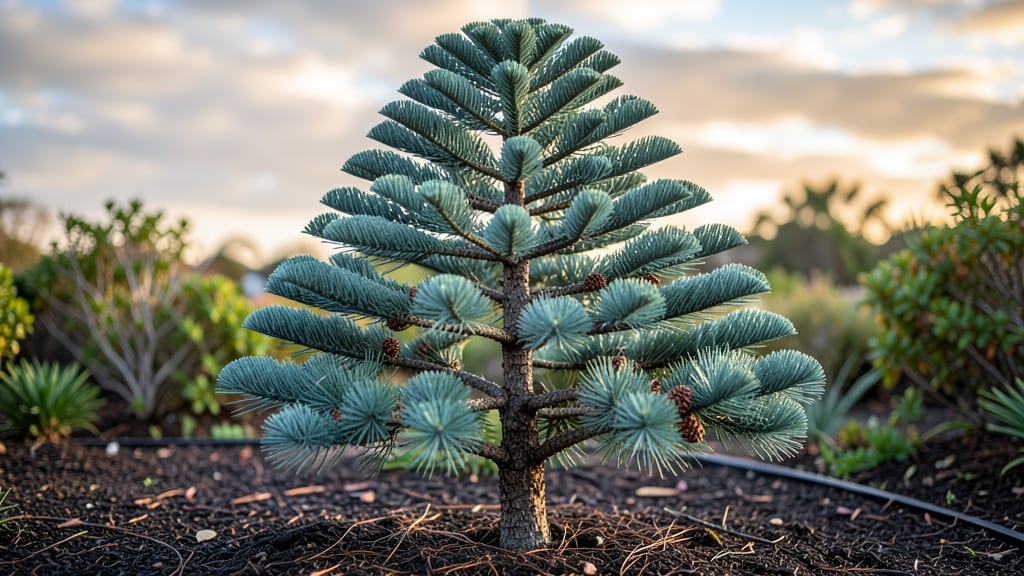
Field-grown Christmas trees can be your year-round privacy screen—not just holiday decorations. 🌲 I’ve pruned thousands of rows in my own fields, and the right cuts keep them dense, healthy, and productive for decades.
The key is timing: prune in late winter when the trees are dormant but before spring growth begins.
You’ll need sharp loppers or pruning shears, gloves, and a clear plan for spacing—6-8 feet apart for full-grown trees. The goal is to remove only 10-15% of the tree’s branches at a time, focusing on inward-growing or crossing limbs.
This opens the canopy to sunlight while keeping the screen thick and unbroken.
By summer, you’ll see new growth filling gaps where you pruned, and by next winter, your screen will be denser than ever. The trees stay smaller, easier to manage, and resistant to pests that thrive in crowded, neglected stands. Plus, you’ll save on fencing costs forever.
Works for Norway spruce, Fraser fir, or Scotch pine—just adjust timing for your climate. Late winter is ideal in most zones, but if you’re in a warmer area, prune in early spring before bud break.
The same principles apply whether you’re managing a small homestead screen or a commercial stand.
📚 In This Guide
- What you need
- Instructions
- Tips and common mistakes
- Wrapping up and next steps
What you need
- ● Christmas tree saplings: 10–20 (depending on desired height and density; choose fast-growing varieties like Picea abies or Abies concolor).
- ● Pruning shears: 1 pair (bypass pruners, 6–8" blades for precision cuts).
- ● Loppers: 1 pair (for thicker branches, 16–24" reach).
- ● Hand saw: 1 (for stubborn branches, 16" curved blade).
- ● Gloves: 2 pairs (cut-resistant for safety).
- ● Mulch: 5–10 bags (pine straw or wood chips, 2–3" layer).
- ● Fertilizer: Slow-release, tree-specific (e.g., 10-10-10 NPK ratio, 5 lbs).
- ● Stakes & ties: 10–15 stakes (1.5–2' tall) + soft tree ties.
- ● Ladder: Extendable (12–16' for taller trees).
- ○ Hose with nozzle: For watering (soaker hose optional for deep hydration).
- ● String line: 50' (to mark planting rows or pruning zones).
- ● Tree spray: Fungicide (e.g., copper-based, for disease prevention).
- ○ Decorative elements (optional): Solar lights, ornaments, or drip irrigation for year-round flair.
- ● Sunlight: 6+ hours/day (partial shade tolerated but reduces growth).
- ● Soil: Well-draining, slightly acidic (pH 5.0–7.0); amend with compost if needed.
- ● Spacing: 6–10 feet apart (closer for denser screens, wider for mature height).
- ● Water source: Ready access (trees need 1–2 inches/week during establishment).
- ● Local regulations: Check planting permits or HOA rules (some areas restrict tree types).
Step-by-Step guide for pruning field-grown Christmas trees
Here's how to keep your privacy screen looking lush with simple, seasonal pruning techniques.
✂️ Step 1: Time Your Pruning for Optimal Growth
Prune Christmas trees in late winter or early spring before new growth begins. This timing ensures you remove dead branches without stressing the tree during its dormant season. I always schedule this task in February or March when temperatures are consistently above 40°F. Avoid pruning in fall—it leaves the tree vulnerable to winter damage.
Look for branches that are brown, brittle, or crossing others—these are the first to go. Healthy branches have green needles and bend slightly without snapping. Use sharp, clean pruners to make cuts just outside the branch collar, the swollen area where the branch meets the trunk.
🌿 Step 2: Thin the Canopy for Airflow and Light
Remove 10-20% of the tree’s interior branches to improve airflow and sunlight penetration. Start at the bottom third of the tree and work upward, removing branches that are thin, weak, or growing inward. This creates a natural, fuller shape while preventing disease from trapped moisture.
Watch for branches that grow straight up or outward—these often block light from reaching the inner canopy. Trim them back to a side branch or lateral bud. Avoid over-pruning; you want to maintain the tree’s natural density while encouraging new growth from the base.
☀️ Step 3: Shape the Tree for Uniform Density
Step back and assess the tree’s shape from all sides. Use a string line to guide your cuts if the tree is uneven. Focus on filling in gaps by selectively pruning branches that are overcrowding others. For example, if one side is sparser, trim back a few branches on the denser side to balance the look.
Prune no more than 25% of the tree’s foliage in a single session. Over-pruning stresses the tree and can lead to weak growth or pest issues. After trimming, rake up and dispose of all debris to prevent disease from spreading.
⏰ Step 4: Maintain Through the Growing Season
Monitor the tree throughout the year for new growth or dead branches. In mid-summer, lightly trim any branches that are growing too long or leggy. This encourages bushier growth and keeps the tree compact. Avoid heavy pruning during this time—it can stimulate tender new growth that’s vulnerable to frost.
Water deeply once a week during dry spells to support recovery after pruning. Mulch around the base with 2-3 inches of organic mulch to retain moisture and protect roots. By late fall, the tree should look full and healthy, ready for winter.
Tips & tricks for perfect Christmas tree pruning
These simple tricks will help you maintain your field-grown Christmas trees like a pro, ensuring they stay healthy and lush year-round.
Timing is Everything: The February or March window is critical—this is when trees are dormant but about to wake up. I've seen trees stressed by late fall pruning develop frost damage over winter. If you miss this window, wait until late winter when temperatures consistently stay above 40°F. A quick way to check readiness is to look for new bud swell on branches—this signals it's safe to prune.
Branch Selection Technique: When identifying branches to remove in Step 1, hold a branch between your thumb and forefinger—healthy branches should bend slightly before snapping. Dead branches will crumble easily. For crossing branches, always remove the smaller one or the one growing downward to maintain the tree's natural shape. This creates more space for new growth without compromising structure.
Canopy Thinning Strategy: In Step 2, focus on removing branches that are growing straight up—they create vertical gaps that let light through. Think of it like opening windows in your tree's canopy. I like to use a string line to visualize the ideal shape before making cuts. For every branch I remove, I look for a smaller branch growing from the same area to preserve density. This creates a fuller look while improving airflow.
Post-Pruning Recovery: After your pruning session, give your trees a recovery boost by applying a layer of 2-3 inches of organic mulch around the base. This helps retain moisture and protects roots from temperature fluctuations. I've noticed trees mulched after pruning recover faster and show new growth sooner than those without. Water deeply once a week during the first month after pruning to support this recovery.
Pro Tips for Christmas Tree In Field
- These simple tricks will help you maintain your field-grown Christmas trees like a pro, ensuring they stay healthy and lush year-round.
- Timing is Everything: The February or March window is critical—this is when trees are dormant but about to wake up.
- Branch Selection Technique: When identifying branches to remove in Step 1, hold a branch between your thumb and forefinger—healthy branches should bend slightly before snapping.
Frequently asked questions
Got questions about keeping a Christmas tree in field as a privacy screen? We’ve got answers! Whether you’re a first-time grower or troubleshooting issues, here’s what you need to know:
Can I plant a Christmas tree in a field for year-round privacy?
A well-planted Christmas tree (like Fraser fir or Norway spruce) can provide some seasonal privacy, but expect full coverage only in winter. Deciduous trees (like arborvitae) offer better year-round screening. For maximum density, plant multiple trees in a staggered row or hedge formation.
How long does it take for a field-planted Christmas tree to grow into a privacy screen?
Most Christmas trees grow 1–3 feet per year, so a 6-foot-tall screen takes 2–6 years to mature. For faster results, opt for pre-grown trees (3–4 feet tall) or fast-growing alternatives like Leyland cypress. Patience pays off—thicker foliage improves privacy over time!
Do I need to prune a Christmas tree in a field differently than one in a yard?
Yes! Field-grown trees need minimal pruning—focus on removing dead branches or overgrowth to prevent disease. Avoid heavy trimming, as it stresses the tree. Use sharp shears () and prune in late winter to early spring for best results. Pro tip: Skim the outer edges lightly to encourage bushier growth.
What’s the best alternative to a Christmas tree for a low-maintenance privacy screen?
If Christmas trees feel too high-maintenance, try these field-friendly alternatives:
- Arborvitae – Evergreen, fast-growing, and deer-resistant.
- Leyland Cypress – Grows 3–4 feet per year and thrives in fields.
- Eastern Red Cedar – Drought-tolerant and wildlife-friendly.
- Bamboo (clumping types) – Quick-growing but needs containment.
Why is my field Christmas tree dropping needles? How do I fix it?
Needle drop is often due to stress (drought, poor soil, or transplant shock). Check these fixes:
- Water deeply 1–2 times per week (unless rainy).
- Mulch the base (2–3 inches of wood chips) to retain moisture.
- Avoid compacting soil—field trees hate heavy foot traffic.
- Fertilize lightly in early spring with slow-release, acidic fertilizer.
Wrapping up and next steps
Transforming a Christmas tree in field into a lush, year-round privacy screen is simpler—and more rewarding—than you think!
With the right tools, timing, and techniques, you can enjoy a vibrant, low-maintenance hedge that thrives beyond the holidays. Start small, stay consistent, and watch your investment grow into a stunning, evergreen oasis.
Ready to take the next step? Mark your calendar for early spring—that’s when your pruning journey begins! Grab your shears, gather your supplies, and turn your field into a private paradise. Happy pruning! 🌲✨