
Trees
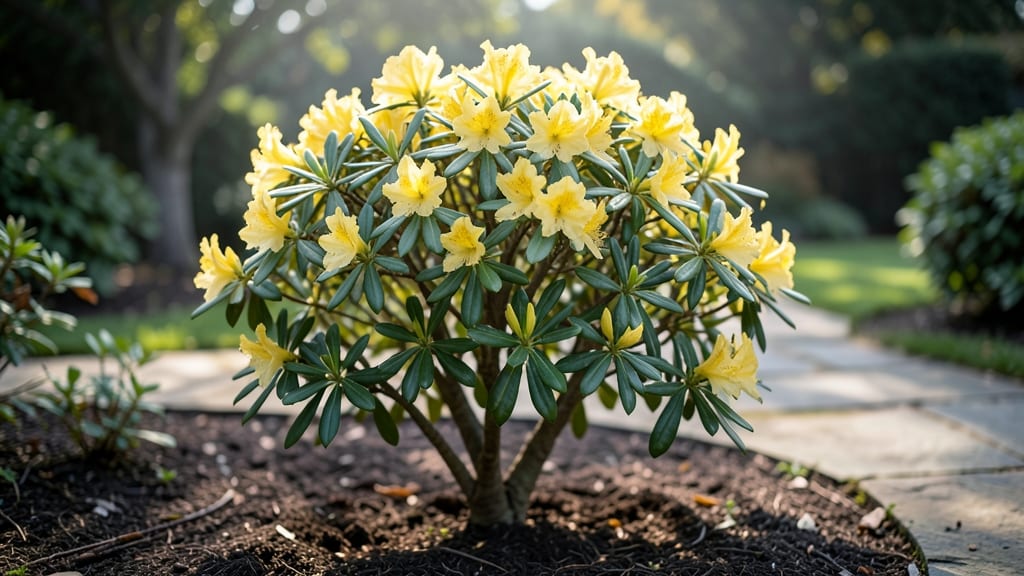
When your azalea tree leaves turn yellow, it’s rarely a death sentence—just a cry for help. 🌿 I’ve nursed back azaleas with everything from overwatered roots to iron-starved foliage, and the fixes are simpler than you’d think.
The key is pinpointing whether it’s thirst, hunger, disease, or pests causing the trouble.
Most yellowing stems from overwatering (soggy roots can’t breathe) or iron deficiency (common in alkaline soil). Prune affected branches, test your soil pH, and amend with chelated iron if needed.
For fungal spots or spider mites, neem oil or copper fungicide works wonders—just spray in the early morning to avoid burning leaves.
By the time you’ve ruled out the usual suspects, you’ll spot the real culprit: maybe it’s compacted soil, poor drainage, or even last winter’s frost damage. The good news? Azaleas bounce back fast when you address the root cause—literally.
Once you’ve treated the problem, focus on prevention: mulch to retain moisture, water deeply but infrequently, and fertilize with acid-loving plant food twice a year. Your azalea’s vibrant blooms will return faster than you expect.
Root Causes Of Leaf Yellowing
Yellowing leaves on your azalea tree—often called chlorosis—can be a cry for help from your plant. While some natural aging is normal, sudden or widespread yellowing signals deeper issues.
Let’s break down the science behind why your azalea’s leaves turn yellow, so you can diagnose and fix the problem before it spreads.
Azaleas thrive in acidic, nutrient-rich soils, and when key minerals are missing, leaves yellow as a warning sign. The most common culprits:
- Iron (Fe) Deficiency (Most Common) - Why it happens: Iron is essential for chlorophyll production, the green pigment that powers photosynthesis.
In alkaline soils (pH > 7.0), iron becomes unavailable to roots, even if it’s present in the soil. - Visual clues: Young leaves yellow first (interveinal chlorosis), while veins stay green.
Severe cases turn leaves entirely yellow or white. - Actionable fix: Test your soil’s pH (ideal: 4.5–6.0). If alkaline, amend with elemental sulfur or peat moss to lower pH. For quick relief, use an iron chelate fertilizer (like ferrous sulfate) applied to soil or sprayed on leaves.
- Manganese (Mn) or Zinc (Zn) Shortages - Why it happens: Like iron, these micronutrients bind tightly in alkaline soils, making them inaccessible.
Manganese aids chlorophyll synthesis, while zinc supports enzyme function—both critical for leaf health. - Visual clues: Yellowing between veins (similar to iron deficiency but often with brown spots or crinkled leaves for zinc). - Actionable fix: Apply a balanced micronutrient fertilizer (look for Mn and Zn on the label).
For severe cases, a foliar spray with manganese sulfate or zinc sulfate can provide immediate relief.
Azaleas are finicky about moisture—overwatering or poor drainage can strangle roots, leading to yellow leaves.
- Overwatering or Poor Drainage - Why it happens: Azaleas hate soggy roots. Excess water drowns roots, cutting off oxygen and causing root rot (often from Phytophthora fungi).
Without oxygen, roots can’t absorb nutrients, leading to yellowing. - Visual clues: Yellow leaves paired with wilting or drooping branches.
Check for mushy, black roots if you dig gently. - Actionable fix: - Improve drainage by amending soil with perlite, sand, or pine bark fines. - Ensure pots have drainage holes and saucers are emptied after watering. - Water only when the top 1–2 inches of soil are dry (stick your finger in to test!).
- Underwatering or Drought Stress - Why it happens: While azaleas prefer moist (not soggy) soil, drought forces them to conserve water.
Leaves yellow as the plant sheds chlorophyll to reduce water loss. - Visual clues: Crispy, brown leaf edges and drooping (but not mushy) foliage. - Actionable fix: Water deeply 2–3 times per week in hot/dry climates.
Mulch with pine needles or bark to retain moisture and regulate soil temperature.
Azaleas are understory plants in nature—they’re not built for harsh sun or blistering winds.
- Excessive Sun Exposure (Sunburn) - Why it happens: Direct afternoon sun (especially in hot climates) causes oxidative stress, breaking down chlorophyll.
Leaves turn yellow or develop bleached, crispy patches. - Visual clues: Yellowing or white/brown scorch marks on sun-exposed sides of leaves. - Actionable fix: - Move potted azaleas to partial shade (morning sun + afternoon shade). - For in-ground plants, prune nearby trees to filter sunlight gradually.
- Cold or Wind Damage
- Why it happens: Sudden cold snaps or drying winds (common in coastal areas) can freeze or desiccate leaves, leading to yellowing.
- Visual clues: Yellowing paired with brown, brittle edges or frost-like patterns.
- Actionable fix:
- Mulch heavily (3–4 inches) around the base to protect roots.
- Use burlap windbreaks in exposed areas.
- Avoid planting azaleas in frost pockets or high-wind zones.
Not all yellowing is nutrient-related—pests and pathogens can sap strength from your azalea.
- Spider Mites or Scale Insects - Why it happens: These pests pierce leaves, sucking out chlorophyll-rich cell sap.
Heavy infestations cause stippling (tiny yellow dots) or general yellowing. - Visual clues: Tiny webs (mites) or sticky residue (scale) on stems/leaves. - Actionable fix: - Blast off mites with a strong hose or use neem oil spray. - Prune and dispose of heavily infested branches.
- Root Rot Fungi (Phytophthora, Pythium)
- Why it happens: Fungal infections thrive in waterlogged soil, blocking nutrient uptake and causing systemic yellowing.
- Visual clues: Yellow leaves + black, mushy roots + stunted growth.
- Actionable fix:
- Remove infected plants and treat soil with fungicide (copper-based or phosphite).
- Improve drainage immediately to prevent spread.
Pro Tip 💡: Before treating, rule out one cause at a time! Test soil pH, check roots, and inspect leaves for pests. A diagnostic kit (from garden centers) can help identify deficiencies.
Quick fixes for yellow azaleas
Yellowing leaves or flowers on your azalea tree can be alarming, but most issues are fixable with targeted care. Below are science-backed solutions tailored to common causes—plus prevention tips to keep your azalea thriving.
Signs: Yellowing leaves, soggy soil, wilting despite water. Fix:
- 💧 Step 1: Check the Soil – Stick your finger 2 inches into the soil. If it’s damp, hold off on watering. Azaleas prefer consistently moist (not soggy) soil.
- 🌱 Step 2: Improve Drainage – Mix in organic matter (like compost or peat moss) to loosen heavy clay soil. Elevate pots if using containers.
- 🚿 Step 3: Adjust Watering – Water deeply 2–3 times per week (more in heat) but ensure excess drains away. Drip irrigation or soaker hoses work best.
💡 Prevention Tip: Use well-draining acidic soil (pH 4.5–6.0) and avoid watering at night to prevent fungal growth.
Signs: Yellowing leaves (especially new growth), pale stems, stunted blooms. Fix:
- 📊 Step 1: Test Soil pH – Use a home pH kit (or send a sample to a lab). Azaleas need acidic soil (pH 4.5–6.0). If too high, amend with sulfur or pine needles.
- 💪 Step 2: Fertilize Correctly –
- Iron deficiency? Apply chelated iron (liquid or granules) every 4–6 weeks.
- Nitrogen deficiency? Use an acid-loving plant fertilizer (like 10-10-10 or 8-3-9) in early spring.
- 🌱 Step 3: Mulch Properly – Spread 2–3 inches of pine bark mulch to retain moisture and slowly release nutrients.
🔥 Pro Tip: Avoid synthetic fertilizers high in lime—they raise pH and lock out iron!
Signs: Yellow spots with dark edges, blackened stems, or powdery growth. Fix:
- 🔪 Step 1: Prune Infected Parts – Cut off yellowed or spotted leaves/stems with sterilized shears (wipe with rubbing alcohol).
- 🌡️ Step 2: Apply Fungicide –
- Early stages: Spray with neem oil (1 tsp per quart of water) or copper fungicide.
- Severe cases: Use systemic fungicide (like Myclobutanil) every 2–3 weeks.
- ✨ Step 3: Improve Airflow – Thin out dense foliage and avoid overhead watering to prevent spores.
🎯 Prevention Tip: Space azaleas 3–5 feet apart and water at soil level (not leaves).
Signs: Yellowing on sun-exposed sides, crispy edges, or sudden wilting in heat. Fix:
- 🌿 Step 1: Provide Shade – Move potted azaleas to partial shade (morning sun + afternoon shade). For in-ground plants, plant near larger trees for dappled light.
- 💦 Step 2: Boost Hydration – Increase watering frequency during heatwaves (check soil daily).
- 🌡️ Step 3: Protect from Wind – Use a windbreak (like a fence or burlap screen) if your azalea is in a breezy spot.
💡 Prevention Tip: Acclimate potted azaleas gradually to outdoor conditions over 1–2 weeks before full exposure.
Signs: Yellow stippling, sticky residue (honeydew), or tiny webs. Fix:
- 🕷️ Step 1: Inspect Leaves – Look for tiny bugs, webs, or sap trails. Common culprits:
- Spider mites (yellow speckling)
- Scale insects (brown bumps)
- Aphids (clustered green bugs)
- 🚿 Step 2: Blast Off Pests –
- Hose down leaves with strong water to dislodge aphids.
- Spray insecticidal soap (1 tbsp per quart of water) or neem oil (repeat every 5–7 days).
- 🌿 Step 3: Introduce Beneficial Insects – Ladybugs or lacewings eat azalea pests naturally.
✨ Prevention Tip: Quarantine new plants for 2 weeks before adding to your garden.
📊 Quick Reference Table:
| Issue | Quick Fix | Prevention |
|---|---|---|
| Overwatering | Let soil dry, improve drainage | Use acidic mulch, water deeply |
| Nutrient Deficiency | Chelated iron + acidic fertilizer | Test soil pH yearly, mulch annually |
| Fungal/Bacterial | Prune + fungicide | Space plants, avoid wet foliage |
| Sunburn | Move to shade, increase water | Gradual sun exposure |
| Pests | Insecticidal soap, beneficial bugs | Inspect new plants, hose leaves weekly |
🌟 Final Reminder: Most yellowing resolves within 2–4 weeks of correct care. Monitor your azalea’s progress and adjust as needed! For persistent issues, consult a local arborist or soil lab for a deeper diagnosis.
Frequently asked questions
Why do only the new leaves turn yellow first?
This is a classic sign of iron deficiency (chlorosis). Young leaves show symptoms first because the plant prioritizes sending nutrients to older leaves. If veins stay green while leaf tissue yellows, test your soil pH—azaleas need acidic soil (4.5–6.0) for iron uptake. Try chelated iron fertilizer for quick relief.
Can I save my azalea if half the leaves are yellow?
Yes! Act fast by addressing the root cause. For nutrient issues, apply chelated iron and adjust soil pH. If it's overwatering, improve drainage immediately. Prune severely affected branches to redirect energy. Most azaleas recover fully within 4–6 weeks of proper care—just don't wait until all leaves yellow.
Will yellow leaves fall off my azalea?
Yes, but that's actually good! Yellow leaves indicate the plant is shedding damaged foliage to focus energy on healthy growth. Prune only the most severely affected leaves (1/3 of the plant max) to avoid stress. The new growth should be vibrant green if you've corrected the underlying issue—whether it's nutrient deficiency, poor drainage, or pests.
How often should I fertilize an azalea with yellow leaves?
Start with a soil test first—over-fertilizing can burn roots. For nutrient deficiencies, use an acid-loving plant fertilizer (like 10-10-10) every 6–8 weeks in growing season (spring/fall). If iron is the issue, apply chelated iron every 4 weeks until leaves green up. Always water thoroughly after fertilizing to prevent root damage.
Is it safe to use coffee grounds around my azalea?
Coffee grounds lower soil pH naturally and provide nitrogen—perfect for azaleas. Mix 1–2 inches into the topsoil annually, or use as mulch. Just don't overdo it (too much can make soil too acidic). For immediate results, combine with pine needles or sulfur to boost acidity further.