
Trees
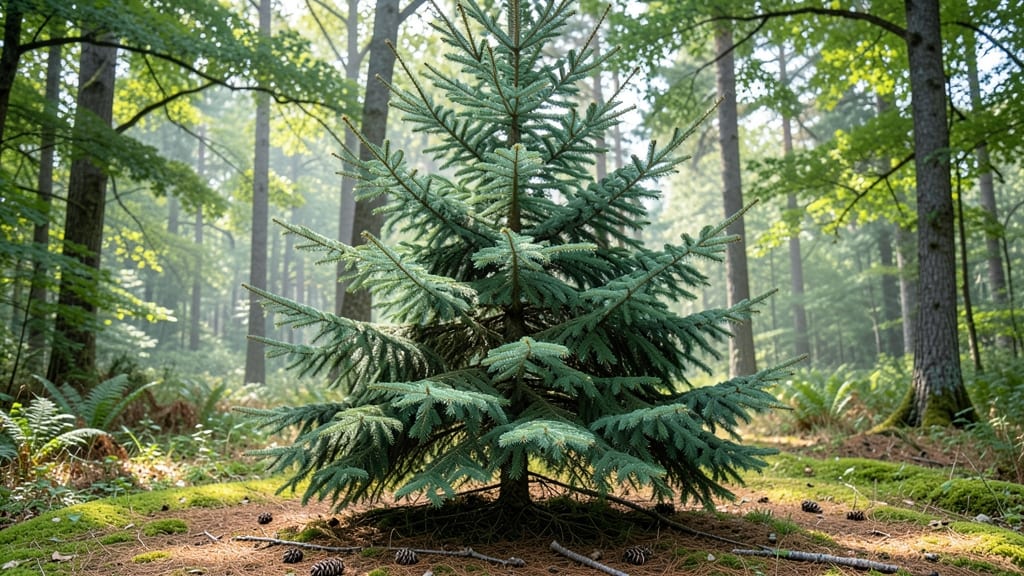
The balsam fir Christmas tree scent comes from its natural resin and essential oils, including pinene, limonene, and myrcene, which create a fresh, woody, and slightly citrusy aroma that evokes winter holidays. This signature fragrance intensifies when the tree is fresh and properly cared for.
The balsam fir's unique holiday aroma isn't just nostalgic—it's scientifically crafted by nature. 🌲 The pinene in its needles gives that crisp, clean pine scent, while limonene adds subtle citrus notes that make it smell brighter than regular pine trees.
What's fascinating is how temperature affects the scent: cooler rooms amplify those woody, resinous undertones, which is why fresh trees smell even more magical in chilly living spaces.
Many people mistake balsam fir for pine because of its strong fragrance, but the citrusy twist is what truly sets it apart during the holidays.
This signature scent isn't just about the tree itself—it's about the volatile oils that evaporate into the air when the needles are healthy.
That's why a well-watered, recently cut balsam fir will fill your home with that unmistakable holiday fragrance for weeks, while a dry one will lose its charm within days.
The key compounds actually become more concentrated as the tree ages slightly after cutting, which is why many experts recommend waiting 24 hours before decorating to let the scent fully develop.
💡 In This Article
- Chemical Composition Behind Balsam Fir’s Signature Scent
- Tips to Maximize and Preserve Balsam Fir Scent at Home
Chemical composition behind balsam fir’s signature scent
The balsam fir's iconic holiday aroma is a complex chemical symphony that begins with its needle structure. Unlike flat pine needles, balsam fir needles grow in spiral clusters along the branch, creating more surface area for scent release.
This design allows the tree's volatile oils to evaporate more efficiently into the air, producing that rich, resinous fragrance. The primary compounds—alpha-pinene (30-40%), beta-pinene (15-20%), and limonene (5-10%)—work together to create the signature scent profile.
The pinene compounds dominate the woody, earthy notes we associate with Christmas, while limonene contributes that unexpected citrus brightness that makes balsam fir smell different from regular pine trees. For comparison, white pine contains mostly pinene (60%) with very little limonene, giving it a flatter, more one-dimensional scent.
The balsam fir's myrcene content (3-5%) adds herbal depth, creating that "fresh forest" quality that artificial scents struggle to replicate. 🌲
Temperature dramatically affects how these oils behave. In cooler rooms (65-70°F), the volatile oils evaporate more slowly, allowing their complex aromas to develop fully over time.
This is why freshly cut balsam firs smell stronger after 24-48 hours—the oils have had time to stabilize and release more consistently. Heat, however, accelerates evaporation, which can make the scent seem sharper but less nuanced, almost like inhaling concentrated perfume rather than enjoying a natural fragrance.
Another fascinating factor is the tree's resin production. Balsam firs naturally produce more resin when stressed (like during cutting), and this resin contains additional aromatic compounds like camphene and terpinolene that enhance the overall scent.
This is why trees cut in cold weather often smell more intense—the cold temperatures preserve these delicate compounds during transport and setup. The resin also acts as a natural preservative, helping the scent last longer than in trees with less natural protection.
Light plays a subtle but important role too. Natural light helps maintain the tree's internal chemistry by supporting photosynthesis in the needles, which keeps the scent-producing glands active. Artificial lighting can work, but it's less effective at maintaining the tree's natural scent production over time.
This is why placing your balsam fir near a sunny window (if possible) can help preserve that fresh forest aroma for weeks rather than days.
What most people don't realize is how the scent actually changes throughout the holiday season. In the first 3-5 days, the fresh-cut aroma dominates—bright, almost medicinal from the newly exposed oils.
After one week, the scent mellows into deeper woody and citrus notes as the more volatile compounds dissipate first. By two weeks, you're left with the pure resinous base that feels like the essence of winter itself.
This gradual transformation is what makes real balsam firs so special compared to artificial trees that smell the same from day one.