
How To
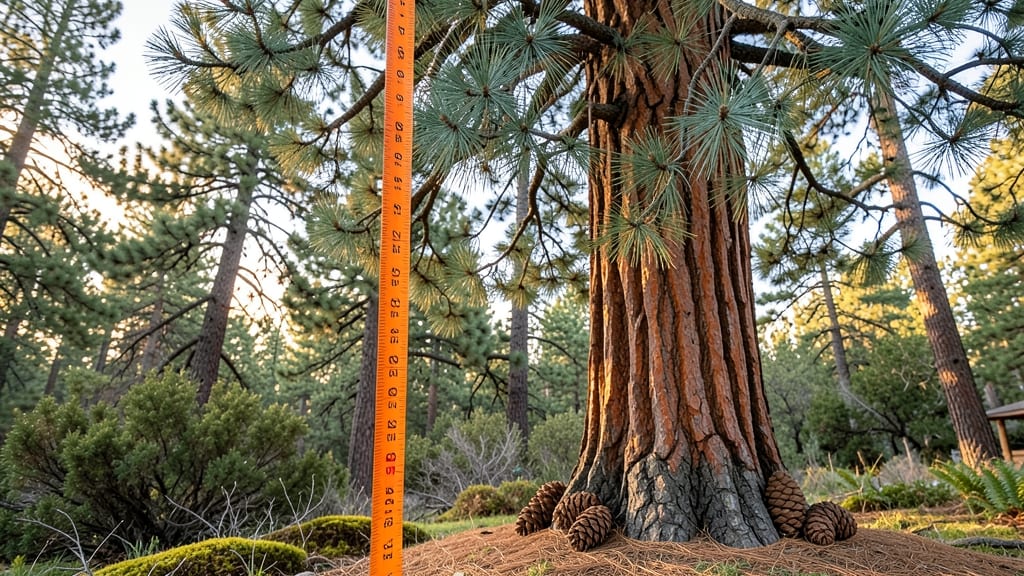
How tall a pine tree can grow stretches from a modest 10 feet to a towering 200 feet, depending on the species and where you live.
Imagine planting a seedling that could one day shade your entire backyard—or dwarf it entirely. The difference between a fast-growing giant like the Ponderosa Pine and a slow-growing Mugo Pine isn’t just in height; it’s in the space they’ll claim and the care they’ll demand.
Some pines shoot up 3 feet a year in ideal conditions, while others barely budge beyond 15 feet over decades. Whether you’re designing a landscape or just curious about your backyard’s future skyline, knowing these heights helps you pick the right tree for the job.
Below, I’ll break down the fastest and slowest growers, how to predict a pine’s future size, and tips to keep it in check—so you can plan for shade, privacy, or even a tiny forest without surprises.

Fastest-growing pine trees: species that skyrocket in height
If you're dreaming of a towering pine tree that will dominate your landscape, some species grow at staggering speeds. The fastest-growing pines can add 3-5 feet per year under ideal conditions, reaching heights that dwarf even the tallest homes.
These giants aren't just impressive—they're also perfect for creating natural privacy screens or adding dramatic focal points to large properties.
Among the fastest-growing species, the Sugar Pine and Ponderosa Pine are standout performers. They thrive in coastal climates with mild winters and abundant rainfall, though they can adapt to inland regions with proper care.
For those in USDA Zones 5-8, these species offer the fastest growth potential while maintaining hardiness.
Here’s how these record-breaking pines compare in terms of height, growth rate, and ideal growing conditions—so you can choose the perfect species for your landscape goals.
| Species | Mature Height | Annual Growth Rate | Ideal Climate | Soil Needs |
|---|---|---|---|---|
| Sugar Pine (Pinus lambertiana) | 150–200 ft | 3–5 ft/year (young) | Coastal, mild winters | Well-draining, acidic |
| Ponderosa Pine (Pinus ponderosa) | 100–200 ft | 2–4 ft/year (young) | Dry inland, warm summers | Sandy-loam, well-drained |
| Coastal Redwood (Sequoia sempervirens) | 250–379 ft (tallest species) | 1–3 ft/year (slow but massive) | Coastal fog belts | Rich, moist, acidic |
| Loblolly Pine (Pinus taeda) | 60–80 ft | 3–5 ft/year (fastest commercial) | Southeastern U.S. | Sandy, well-drained |
| Eastern White Pine (Pinus strobus) | 50–75 ft | 2–3 ft/year (adaptable) | Cold-hardy, versatile | Loamy, slightly acidic |
The Sugar Pine holds the record for fastest growth among native North American pines, often reaching 100 feet in just 30 years. Its long, flexible needles and massive cones make it a stunning landscape specimen, but it requires plenty of space—this isn’t a tree for small yards.
Plant it in well-draining soil with full sun exposure to encourage rapid vertical growth.
For those in drier climates, the Ponderosa Pine is a fantastic alternative. It’s drought-tolerant once established and thrives in USDA Zones 3-8.
While its growth rate slows slightly as it matures, it still reaches 100 feet in 50 years, making it one of the most reliable tall pines for inland regions.
If you're in a coastal area with foggy summers, the Coastal Redwood might be your dream tree—though it’s slow-growing, it’s the tallest tree species on Earth, with some specimens exceeding 379 feet.
These giants need consistent moisture and cool, humid air, so they’re not ideal for arid landscapes. However, their disease resistance and long lifespan make them a low-maintenance investment for the right location.
For faster results in southern climates, the Loblolly Pine is a top choice. It’s the fastest-growing pine commercially planted in the U.S., often used for timber production due to its rapid height gain.
In ideal conditions, it can add up to 5 feet per year in its youth, making it perfect for privacy screens or windbreaks.
Even if you don’t have acres to spare, the Eastern White Pine offers a balance of speed and adaptability. It grows well in urban settings and tolerates a range of soil types, including
Slowest-growing pine trees: compact species for small spaces
If you love the look of pine trees but lack space for towering giants, dwarf and slow-growing varieties are your perfect solution. These compact pines stay manageable—ideal for urban gardens, containers, or small yards—while still offering the classic pine aesthetic.
Unlike their fast-growing cousins, these species mature at just a fraction of the height, making them low-maintenance yet high-impact additions.
For container gardening, some dwarf pines thrive in pots for decades, while others spread horizontally instead of shooting upward.
The key is choosing the right species for your space and climate. Mugo pines and Japanese black pines are top picks, but even Scotch pines can be pruned to stay small. Let’s explore the slowest-growing options and how to keep them compact.
When planting slow-growing pines, prioritize well-draining soil and full sun exposure to curb unwanted growth. Most dwarf varieties thrive in USDA Zones 3–7, but Japanese black pines prefer warmer climates (Zones 5–9).
For container planting, use pots at least 18 inches wide with drainage holes and refresh the soil every 2–3 years to prevent root-bound stress.
Pruning is your best tool for maintaining size. Shape pines in late winter or early spring before new growth begins. Focus on removing overly long branches or those rubbing together. Avoid heavy pruning in summer, as it can stress the tree and spur uncontrolled growth.
For bonsai-style pines, prune frequently and wire branches to train them into intricate forms.
Watering needs vary by species, but most slow-growing pines prefer moderate moisture. Deep water once a week in dry spells, but avoid soggy soil to prevent root rot. Mulch around the base with pine needles or bark chips to retain moisture and suppress weeds.
In container gardens, check soil moisture daily—potted pines dry out faster than in-ground plants.
With the right care, these compact pines will reward you with year-round greenery and minimal upkeep.
Whether you’re lining a patio with Mugo pines or growing a Japanese black pine in a large pot, their slow growth means you’ll enjoy their beauty for decades without worrying about them outgrowing your space. 🌲