
Pruning
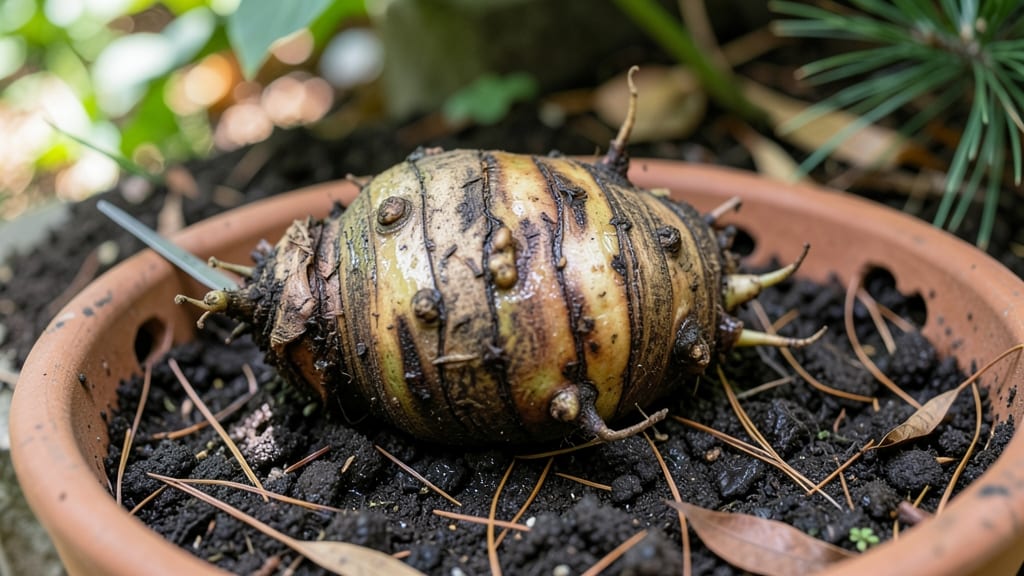
Pruning your banana tree corm is the secret to thicker stems and heavier fruit clusters. 🌱 I’ve learned that most gardeners stop after the first harvest, missing the chance to coax their trees into producing multiple trunks—each one a potential fruit-bearing powerhouse.
The key isn’t just cutting back; it’s understanding when and how to prune for maximum regrowth. Start by removing any dead or yellowing leaves, then focus on the pseudostem—the thick, false trunk.
Cut it down to about 6 inches above the soil line when it turns brown and dry, leaving the healthy corm intact. This shock treatment forces the plant to send up 2-3 new shoots instead of just one, creating a bushier, more productive tree.
Timing matters too: do this right after harvest, when the plant has energy stored in its corm for recovery. Within 4-6 weeks, you’ll see fresh green shoots emerging from the base, each with the potential to grow into a full-sized trunk.
The first harvest from these new shoots might be smaller, but subsequent years will reward you with double or triple the fruit compared to a single-trunk tree. The pruned stems also break down into nutrient-rich mulch, feeding the soil for next season’s growth.
For tropical climates, this method works year-round, but in cooler zones, wait until spring when temperatures stay above 60°F at night. Avoid pruning during active fruiting—let the tree focus on producing before you ask it to regrow.
With patience, your banana tree will become the most productive plant in your garden.
📚 In This Guide
- What you need
- Instructions
- Tips and common mistakes
- Wrapping up and next steps
What you need
- ● Sharp pruning shears or loppers – Choose bypass-style (for clean cuts) or anvil-style (for thicker stems). Size: 6–8 inches for small corms, 10+ inches for mature trees.
- ● Disinfectant (70% isopropyl alcohol or bleach solution) – 1 part bleach to 9 parts water to sterilize tools and prevent disease.
- ● Gloves (heavy-duty gardening gloves) – Protects hands from sharp edges, sap, and thorns (e.g., nitrile-coated for durability).
- ○ Pruning saw (optional but helpful) – For thick, woody corms (e.g., Fiskars or Felco brands).
- ● Rake or hoe – Clears debris and loosens soil around the corm base.
- ● Mulch (straw, wood chips, or coconut coir) – 2–3 inches thick to retain moisture and suppress weeds.
- ● Compost or organic fertilizer – Balanced NPK (10-10-10) or banana-specific fertilizer to replenish nutrients post-pruning.
- ● Hand pruners with extendable handles – For tall corms (e.g., 3–4 feet reach).
- ● Plant wound sealant (e.g., tree paint) – Speeds up healing on large cuts (though not always necessary for bananas).
- ● Labeling tags – Marks pruned sections if experimenting with different growth techniques.
- ● Watering can with hose attachment – Ensures gentle post-pruning hydration.
- ● Safety goggles – Protects eyes from debris or sap splashes.
How to prune a banana tree corm for maximum growth
Here's the precise method I use to encourage bushier growth and bigger harvests from your banana corm.
🌱 Step 1: Identify the Right Time to Prune
Prune your banana corm during its dormant season, typically late winter or early spring before new growth begins. This timing ensures the plant has energy reserves to regenerate properly. Look for the oldest, largest pseudostem—this is your first target. It will appear brown and dry compared to newer growth.
Don't prune after a harvest or during active growth—you'll stress the plant and reduce next year's yield. I always wait until at least 6 weeks after fruiting before touching the corm. The key is patience; rushing this step leads to weak regrowth and fewer suckers.
✂️ Step 2: Remove the Old Pseudostem
Use a sterilized pruning saw or sharp knife to cut the old pseudostem at its base, leaving about 2-3 inches of stub. This prevents disease entry while maintaining some structural support. Wear gloves—banana leaves can be razor-sharp and cause painful cuts.
Remove any remaining dried leaf material from the base of the corm. This debris can harbor pests and fungi. I like to clean the area with a 10% bleach solution (1 part bleach to 9 parts water) to sterilize the surface. Let it dry completely before proceeding—moisture here invites rot.
🌿 Step 3: Select and Prune Suckers
Identify the healthiest, most vigorous suckers growing from the base of the corm. These are your future harvest producers. Keep 2-4 suckers depending on your corm's size—more than 4 will compete for resources and reduce fruit quality. Use clean pruning shears to cut suckers you're removing at their base, leaving a ½-inch stub.
Watch for suckers growing from the top of the old pseudostem—these are called "water suckers" and should be removed immediately. They drain energy from the corm without contributing to fruit production. After pruning, apply a layer of mulch around the base to retain moisture and protect new growth.
☀️ Step 4: Encourage New Growth
Move your corm to a location with bright, indirect light (6-8 hours daily) and warm temperatures (75-85°F). New suckers need consistent warmth to establish roots. Water deeply once a week, allowing the top 2 inches of soil to dry between waterings—overwatering here causes root rot.
Fertilize with a balanced, organic fertilizer (10-10-10) two weeks after pruning. Apply at half-strength to avoid burning tender new growth. You'll see new leaves emerge within 3-4 weeks—this is your signal that the pruning was successful. Monitor for pests like aphids or mealybugs, which love fresh new growth.
⏰ Step 5: Monitor and Maintain
Check your pruned corm weekly for signs of new sucker development. Healthy suckers will have thick stems and vibrant green leaves. If you notice any yellowing or wilting, reduce water slightly and increase light exposure. The goal is to build strong, disease-free growth for next year's harvest.
By mid-summer, your selected suckers should be 2-3 feet tall with multiple leaves. This is when you can begin training them for optimal fruit production. The key is consistency—prune at the right time, maintain proper care, and you'll see dramatic improvements in your banana yields within a year.
Tips & tricks for pruning banana tree corms
Here's what nobody tells you about getting the most from your pruning effort—details that separate good harvests from spectacular ones.
Timing is Everything: The 6-week waiting period after fruiting is non-negotiable. I learned this the hard way after pruning too early and watching my corm produce only half the expected suckers. Mark your calendar based on your last harvest date—this ensures your plant has fully recovered its energy reserves. For tropical climates, aim for the dry season when natural dormancy occurs.
Sterilization Matters: That 10% bleach solution isn't just for show—it's your first line of defense against fungal infections. After cleaning with bleach, rinse the area with clean water and let it dry completely before proceeding. I keep a small spray bottle of diluted bleach (1:9 ratio) handy for quick sterilization between cuts when working with multiple corms. This simple step can mean the difference between healthy regrowth and a failed pruning.
Sucker Selection Strategy: When choosing your 2-4 main suckers, look beyond just size—examine the leaf structure. Healthy suckers will have leaves that unfurl tightly and have a deep green color. Avoid suckers with yellowing at the base or leaves that curl inward; these often indicate poor root development. I've found that the second or third sucker from the center typically produces the most robust growth for banana production.
Light and Temperature Balance: Those 6-8 hours of bright, indirect light are crucial, but don't overlook temperature consistency. While 75-85°F is ideal, maintain a stable range—fluctuations can stress new growth. I use a small greenhouse tent over my corms during cooler evenings in spring, which has dramatically improved my success rate. Place your corms near a south-facing window or under grow lights if natural light is insufficient during the recovery period.
Pro Tips for Banana Tree Corm
- Here's what nobody tells you about getting the most from your pruning effort—details that separate good harvests from spectacular ones.
- Timing is Everything: The 6-week waiting period after fruiting is non-negotiable.
- Sterilization Matters: That 10% bleach solution isn't just for show—it's your first line of defense against fungal infections.
Frequently asked questions
Got questions about banana tree corms and pruning? You’re not alone! Here are answers to the most common concerns—from timing to troubleshooting—so you can grow healthier plants with confidence.
When is the best time to harvest a banana corm for replanting?
The ideal time to harvest a banana corm is after the plant has fruited and the leaves start yellowing (a sign of dormancy). Wait until the corm is firm and the pseudostem collapses—this usually happens 6–12 months after flowering. Harvesting too early can stunt regrowth, while waiting too long risks pest infestation.
How do I know if I’m pruning the corm correctly?
Prune the corm by cutting off the top 2–3 inches of the old growth (the "neck") once the fruit bunch is harvested. Leave the eyes (buds) intact—they’re where new shoots emerge! Avoid cutting into the corm itself, as this can introduce rot. Think of it like trimming a haircut: just enough to encourage fresh growth, not a buzz cut!
What’s the deal with corms rotting after pruning?
Rotting often happens due to moisture overload or bacterial/fungal infections. To prevent it:
- Let the corm dry for 2–3 days in shade before replanting.
- Use well-draining soil (mix in perlite or sand).
- Avoid overwatering—banana corms hate soggy roots!
Can I grow a banana tree from a store-bought banana corm?
Store-bought bananas (the fruit) won’t grow into trees—they’re seeds, but they’re sterile and won’t sprout. However, you can propagate from a real banana corm! Buy a live corm from a nursery (look for labels like "Musa spp.") or save one from your own plant. Pro tip: Some tropical gardeners even mail-order corms—just check local regulations first!
How often should I prune my banana tree’s corm?
Prune the corm once per cycle, right after harvest (when the fruit bunch is removed). Avoid mid-season pruning—it stresses the plant. Focus on:
- Removing dead leaves/pseudostems to redirect energy.
- Cutting back old growth to make room for new shoots.
Wrapping up and next steps
Mastering the art of pruning your banana tree corm isn’t just about technique—it’s about patience and observation.
By following the right steps, you’ll encourage healthier roots, bushier growth, and a more abundant harvest over time. 🌱 Whether you’re a seasoned gardener or just starting, every trim brings you closer to a thriving banana patch!
Ready to put your new skills to the test? Start by monitoring your plant’s progress and adjust your pruning schedule as needed. With consistency, your banana tree will reward you with lush foliage and delicious fruit—so grab those shears and get growing!