
Container Gardens
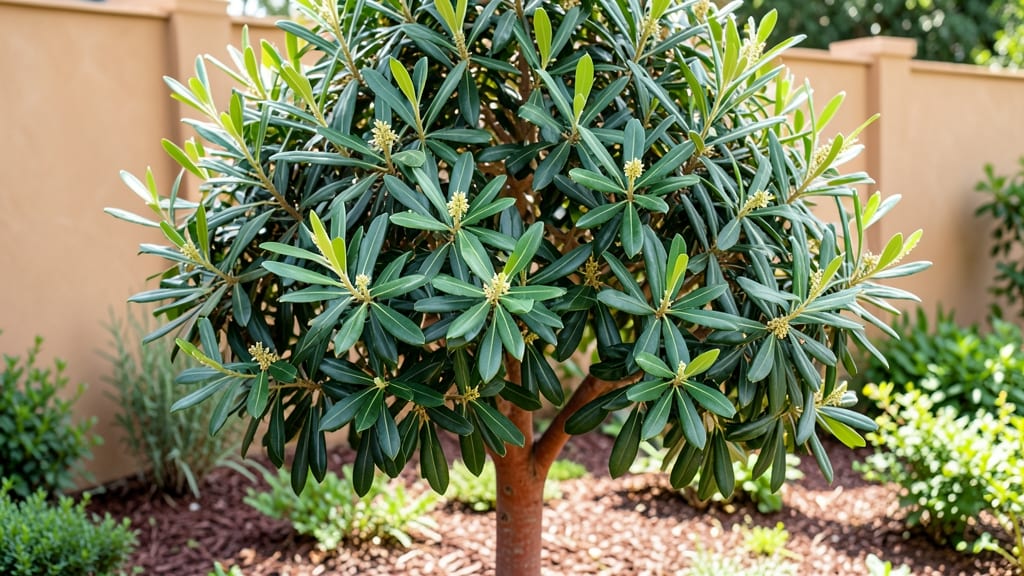
A potted bay leaf tree brings kitchen magic to your patio or windowsill. 🌿 The fragrant evergreen thrives in containers, offering fresh leaves year-round—no grocery store needed. My first potted bay tree grew from a single cutting, and now it’s a lush, productive plant that never fails to impress.
You’ll need a well-draining pot, sunny spot, and a mix of potting soil with perlite to keep roots happy. Water when the top inch feels dry, but avoid soggy soil—bay trees hate wet feet.
Prune lightly after harvest to encourage bushier growth, and you’ll have an endless supply of aromatic leaves for cooking and crafts. The result? A fragrant, evergreen centerpiece that doubles as a kitchen staple. Whether indoors near a bright window or outdoors on a deck, this tree stays compact and productive.
Just watch for yellow leaves (overwatering!) or spider mites (spray with neem oil if needed). Perfect for small spaces, balconies, or even as a gift. Start with a cutting or nursery plant, and you’ll have your own bay leaf tree in no time!
📚 In This Guide
- What you need
- Instructions
- Tips and common mistakes
- Wrapping up and next steps
What you need
- ● Potted bay leaf tree: Choose a healthy, 1–3-year-old plant (1–2 feet tall) from a nursery. Look for vibrant green leaves and no signs of pests.
- ● Container: Size: At least 12–18 inches in diameter and depth (bigger pots = slower root-bound stress).
- ● Material: Terracotta (breathable) or plastic (retains moisture). Ensure it has drainage holes!
- ● Well-draining potting mix: Use a blend of 50% organic potting soil, 30% perlite or coarse sand, and 20% compost for aeration.
- ● Slow-release fertilizer: A balanced 10-10-10 or 20-20-20 formula (follow package instructions).
- ○ Gloves (optional but recommended—bay leaves can stain!).
- ● Trowel or small shovel for planting.
- ● Watering can with a narrow spout (to avoid overwatering).
- ○ Mulch (optional): Pine bark or shredded leaves to retain moisture and suppress weeds.
- ● Pruning shears (for shaping and maintenance).
- ● Sunlight spot: A location with partial shade (4–6 hours of indirect light/day) or morning sun (avoid harsh afternoon rays).
- ● 💡 Test drainage: If repotting, place the container in a sink and fill it with water. If it drains within 5–10 minutes, you’re good!
- ● 🌡️ Temperature: Bay leaf trees thrive in 60–75°F (15–24°C). Avoid drafts or freezing temps.
- ● 🎯 Container upgrade: Repot every 2–3 years or when roots circle the pot.
Step-by-step guide to growing a thriving potted bay leaf tree
Here's how to cultivate your own fragrant bay leaf tree in containers—no green thumb required.
🪴 Step 1: Choose the Right Pot and Drainage
Select a container at least 18 inches wide and deep with drainage holes—bay trees hate soggy roots. I use unglazed terra cotta because it breathes and helps prevent root rot. If your pot lacks drainage, drill holes yourself or place it on a saucer with gravel.
Add a 2-inch layer of gravel or broken pottery at the bottom to create an air pocket. This prevents water from pooling against the roots while still allowing excess moisture to escape. The gravel layer also helps maintain the right moisture balance in the soil.
🌱 Step 2: Prepare Well-Draining Soil Mix
Bay trees thrive in slightly acidic, well-draining soil. Mix 1 part potting soil with 1 part perlite or coarse sand to improve drainage. I add a handful of orchid bark or coconut coir to keep the mix loose and aerated—this mimics their natural Mediterranean habitat.
Fill the pot with your mix until it reaches about 2 inches below the rim. Press down lightly to remove air pockets but don't compact it too tightly. The soil should feel like a damp sponge—firm enough to hold shape but still crumbly when squeezed.
☀️ Step 3: Plant and Position for Optimal Light
Remove the bay tree from its nursery pot and gently loosen the roots if they're circling. Place it in the center of your container and backfill with soil, pressing lightly around the edges to eliminate air gaps. Water immediately after planting to help settle the soil.
Bay trees need full sun—at least 6 hours daily. A south-facing window or balcony works well, but if you're growing indoors, supplement with a grow light for 12-14 hours per day. You'll know it's getting enough light when the leaves stay a rich, deep green without yellowing.
💧 Step 4: Water and Maintain Proper Humidity
Water when the top 1-2 inches of soil feel dry. Stick your finger in the soil—if it's dry at that depth, it's time to water. I use room-temperature water and pour it slowly until it drains from the bottom. Empty the saucer after 10 minutes to prevent root rot.
Bay trees love humidity. Mist the leaves 2-3 times weekly or place the pot on a tray filled with pebbles and water. Just make sure the pot isn't sitting directly in water—roots need air too. You'll notice new growth when you see fresh, vibrant leaves emerging from the tips.
✂️ Step 5: Prune and Fertilize for Healthy Growth
Prune in late winter or early spring to shape the tree and encourage bushier growth. Use clean, sharp pruning shears to cut back 1/3 of the new growth from the previous year. This prevents leggy growth and keeps the tree compact—perfect for container growing.
Fertilize every 4-6 weeks during spring and summer with a balanced, water-soluble fertilizer diluted to half strength. I switch to a low-nitrogen fertilizer in fall to promote root development. Avoid fertilizing in winter when the tree is dormant. Healthy growth means glossy leaves and a strong, fragrant aroma when you brush against them.
Tips & tricks for perfect potted bay leaf trees
A few simple tricks will help your potted bay leaf tree thrive for years to come—no gardening degree required.
Pot Selection: While the instructions specify an 18-inch pot, you can start with a slightly smaller container (14-16 inches) for younger trees. Just be prepared to upgrade as your tree grows—bay leaves have deep roots and need room to spread. I've seen container-grown bay trees thrive in 20-inch pots for years, so don't rush the upgrade. The key is ensuring the pot is at least 18 inches deep, not necessarily wide.
Soil Mix Upgrade: For the 1 part potting soil and 1 part perlite mix, I like to add a handful of worm castings to the mix—it gives the tree a gentle nutrient boost right from planting. The worm castings also help improve soil structure, making it easier for roots to establish. This optional addition isn't in the instructions, but I've found it helps young trees establish faster, especially in containers where nutrients get used up quickly.
Lighting Strategy: If you're growing indoors and can't get the required 6 hours of direct sunlight, try rotating your pot every few days. This ensures all sides of the tree get equal light exposure. For the 12-14 hours of grow light needed, I recommend using full-spectrum LED grow lights—they're energy efficient and mimic natural sunlight perfectly. Position the lights about 6-12 inches above the plant for best results.
Watering Wisdom: When checking the top 1-2 inches of soil for dryness, I've found that morning is the best time to water. This gives the soil all day to dry out slightly before nightfall, reducing the risk of fungal issues. Also, consider using a moisture meter—these inexpensive tools take the guesswork out of watering and help prevent both over- and under-watering, which are the two biggest killers of container-grown plants.
Pro Tips for Bay Leaf Tree Potted
- A few simple tricks will help your potted bay leaf tree thrive for years to come—no gardening degree required.
- Pot Selection: While the instructions specify an 18-inch pot, you can start with a slightly smaller container (14-16 inches) for younger trees.
- Soil Mix Upgrade: For the 1 part potting soil and 1 part perlite mix, I like to add a handful of worm castings to the mix—it gives the tree a gentle nutrient boost right from planting.
Frequently asked questions
Got questions about keeping a bay leaf tree potted? You’re not alone! Here are answers to the most common concerns—from pruning to pests and beyond.
How often should I repot my bay leaf tree?
Repot every 2–3 years or when roots circle the pot’s base. Spring is ideal! Use a container 2–3 inches wider than the current one and ensure drainage holes are present. Overcrowding slows growth and invites pests—so don’t wait too long!
When and how should I prune my potted bay leaf tree?
Prune in late winter or early spring before new growth starts. Use clean, sharp shears to trim dead or overgrown branches back to a healthy bud. Avoid heavy pruning—bay trees respond best to light shaping. Never prune in fall, as it can stunt winter recovery.
What pests should I watch for, and how do I treat them?
Bay trees attract aphids, spider mites, and scale insects. Check undersides of leaves for sticky residue or tiny webs. Treat with neem oil or insecticidal soap (mix 1 tsp per quart of water). For severe infestations, rinse leaves with water or introduce ladybugs—nature’s pest control!
Can I keep my potted bay leaf tree indoors year-round?
Yes, but it needs bright, indirect light (like a south-facing window). If leaves yellow or drop, it’s likely too dark. In winter, supplement with a grow light 12–14 hours/day. Avoid drafts (e.g., near AC vents) and keep humidity moderate—mist leaves occasionally or use a pebble tray.
What’s the best soil mix for a potted bay leaf tree?
Use a well-draining mix like:
- 60% potting soil
- 30% perlite or coarse sand (for aeration)
- 10% compost or worm castings (for nutrients)
Pro Tip:
Bay trees love humidity! Group pots together or place a tray of water near them to mimic their Mediterranean habitat. Just avoid soggy soil—water only when the top inch is dry.
Wrapping up and next steps
Growing a bay leaf tree in a pot is a rewarding experience—whether you love its fragrant leaves, culinary uses, or simply the charm of an evergreen container plant. With the right soil, sunlight, and care, this versatile tree thrives indoors or outdoors, adding both beauty and practicality to your space.
Now that you’re equipped with tips and answers, why not take the next step? Start with a healthy sapling, follow the care guidelines, and enjoy the aromatic satisfaction of a thriving potted bay leaf tree! 🌿✨