
Pruning
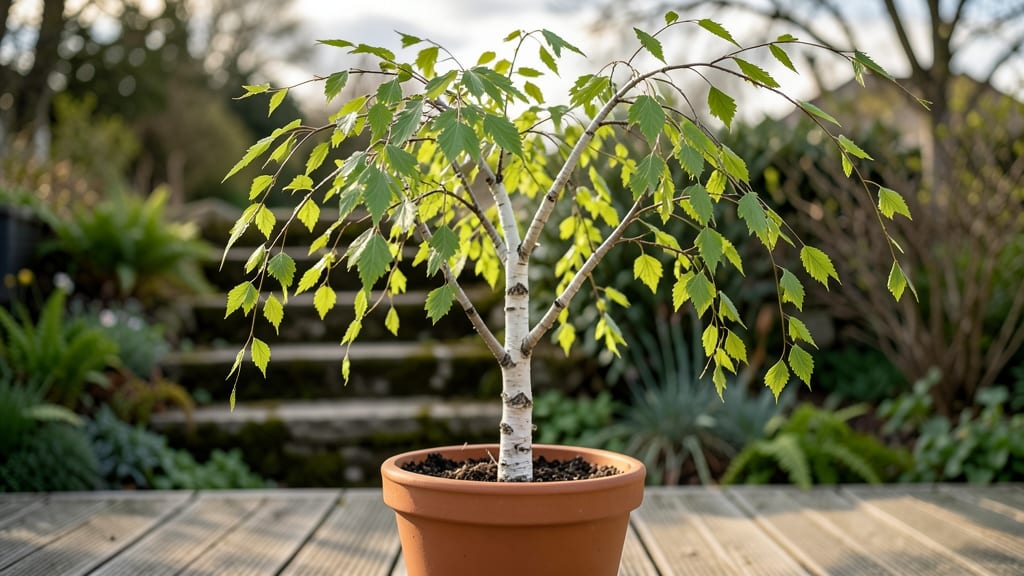
A birch tree in pot isn’t just possible—it’s stunning when done right. 🌿 I’ve kept my dwarf birch thriving for five years in a 20-gallon container, and the secret lies in pruning for compact growth. The right cuts keep it from outgrowing its space while preserving that signature delicate bark.
Start with the right species: paper birch or yellow birch work best in pots, and choose a container with drainage holes twice the width of the root ball. Prune in late winter or early spring, cutting back about one-third of new growth to encourage bushier form.
This isn’t about harsh cuts—it’s about shaping for balance. You’ll end up with a tree that stays under 6 feet tall even after a decade, with peeling bark that looks like a fairy-tale forest.
The key is regular pruning every 6-8 weeks during growing season, always removing dead branches first and thinning out crowded areas. Urban gardeners love this because it adds height and texture without taking over space. Just watch for root-bound conditions—repot every 2-3 years to keep it happy.
📚 In This Guide
- What you need
- Instructions
- Tips and common mistakes
- Wrapping up and next steps
What you need
- ● Container: A large, well-draining pot (18–24" diameter) with drainage holes. Pro tip: Terracotta or ceramic pots help regulate moisture better! 🌡️
- ● Quality potting mix: 3 parts well-draining soil (e.g., cactus/succulent mix) + 1 part perlite or sand for aeration.
- ● Birch tree sapling: Choose a dwarf variety (e.g., Betula pendula ‘Fastigiata’) or a young potted birch (3–5 ft tall).
- ● Pruning tools: Bypass pruners (for clean cuts)
- ● Loppers (for thicker branches)
- ● Sharp pruning saw (if needed for stubborn branches)
- ● Mulch: Organic mulch (e.g., shredded bark) to retain moisture and regulate soil temp.
- ● Slow-release fertilizer (balanced 10-10-10 or organic options like fish emulsion)
- ● Root stimulator (for repotting or transplant shock)
- ● Plant support (e.g., small stakes or a cage for young, top-heavy trees)
- ● Misting bottle (to keep foliage hydrated in dry climates)
- ● Gloves (to protect hands from sap and thorns)
Step-by-Step pruning guide for compact birch tree growth in pots
Here's how to keep your potted birch tree lush and contained year-round with simple pruning techniques.
✂️ Step 1: Prune for Shape in Late Winter or Early Spring
Start your pruning 4-6 weeks before your last frost date when the tree is still dormant. This timing lets new growth heal before summer heat arrives. I focus on removing any dead, crossing, or inward-growing branches first—these compete for nutrients and create weak spots. Use clean, sharp pruning shears to make cuts at a 45-degree angle, about ¼ inch above an outward-facing bud.
For a naturally compact shape, I lightly trim the outer branches to encourage fuller growth. Never remove more than 25% of the tree's foliage at once—this stresses even hardy birches. Watch for sap bleeding at cuts; it's normal and won't harm the tree, but it can stain containers.
🌿 Step 2: Light Summer Maintenance Pruning
Mid-summer is about corrective pruning, not shaping. I inspect the tree every 2-3 weeks and remove any branches growing toward the center or rubbing against others. These compete for sunlight and nutrients, leading to weak, sparse growth. For potted birches, I also trim any branches that exceed the pot's height by 1/3—this prevents top-heavy instability.
Water the tree thoroughly 1-2 days before pruning so the cuts heal faster. You'll notice new side shoots forming within 2-3 weeks—this is your signal the tree is responding well. Avoid pruning after mid-August; new growth won't harden off before winter.
✂️ Step 3: Fall Cleanup and Winter Preparation
In late fall, I remove all dead or diseased branches first—these can harbor pests over winter. Then, I do a light structural pruning to open the center of the tree for airflow. Birches in pots are more vulnerable to winter damage, so I avoid heavy pruning after October 1st. If your tree has white bark peeling, leave those branches alone—they're healthy!
After pruning, I apply a 1-inch layer of mulch around the pot (but not touching the trunk) to protect roots from temperature swings. This is also the time to repot if needed—birches grow surprisingly fast in containers and may outgrow their space.
🪴 Step 4: Year-Round Monitoring for Compact Growth
Check your potted birch monthly for suckers or water sprouts—these fast-growing shoots steal energy from the main structure. I remove them immediately with my fingers or small pruners. For container-grown trees, I also trim any roots circling the pot's edge during repotting—this encourages outward root growth and prevents root-bound stress.
Here's the thing—potted birches need more frequent pruning than ground-planted ones. I make small adjustments every 6-8 weeks rather than one heavy pruning session. You'll see the difference in 3-4 months: a tree with dense, even branching instead of leggy, sparse growth.
Tips & tricks for perfect birch tree pruning in pots
A few simple tricks will help you keep your potted birch looking lush and contained without stressing the tree.
Timing is Everything: That 4-6 week window before your last frost date is critical for Step 1 pruning. I check my local frost date calendar each year—it varies by region! If you're unsure, err on the earlier side. The goal is to give new growth time to harden off before summer heat arrives, so don't rush this step even if you're eager to see results.
Tool Selection Matters: Never use dull or dirty pruning shears—they can tear branches and introduce disease. I keep a pair of sharp, clean bypass pruners dedicated just to my birch tree. For thicker branches (over ½ inch), I use my loppers. Always disinfect tools with rubbing alcohol between cuts to prevent spreading any potential pathogens.
Visual Cues for Pruning: In Step 2, look for branches that form a "V" shape when looking at the tree from above—these are growing toward the center. Also watch for branches that rub against others when the tree sways in wind; these will eventually tear bark. For the 1/3 height rule, I use a tape measure marked with thirds to check growth against my pot height.
Seasonal Adjustments: The 2-3 week summer inspection schedule works best in warm climates. If you're in a cooler region, extend this to every 4 weeks—new growth happens more slowly. And remember, that mid-August cutoff is firm: any new growth after this won't have time to mature before winter's chill.
Pro Tips for Birch Tree In Pot
- A few simple tricks will help you keep your potted birch looking lush and contained without stressing the tree.
- Timing is Everything: That 4-6 week window before your last frost date is critical for Step 1 pruning.
- Tool Selection Matters: Never use dull or dirty pruning shears—they can tear branches and introduce disease.
Frequently asked questions
Can a birch tree really thrive in a pot long-term?
A birch tree can live in a pot for years, but it needs the right care. Dwarf varieties (like Betula pendula 'Fastigiata') are ideal for containers. Expect slower growth and more frequent pruning to manage size. Just ensure the pot has drainage and you’re repotting every 2–3 years to refresh the soil. Pro tip: Use a mix of potting soil and perlite for aeration!
When is the best time to prune a potted birch tree?
Prune your birch in late winter or early spring (before new growth starts) to shape it and encourage compact growth. Avoid heavy pruning in fall—it can stress the tree. For minor trims (like removing dead branches), you can do it anytime. Warning: Never prune more than 25% of the foliage in one session!
How often should I water a birch tree in a pot?
Potted birches dry out faster than in-ground trees. Water when the top 1–2 inches of soil feel dry (test with your finger!). In hot weather, this could mean daily watering. Key tip: Use room-temperature water and avoid soggy soil—birches hate "wet feet." A self-watering pot can help!
What’s the best way to keep a potted birch from growing too tall?
Combine regular pruning (trim back 1/3 of new growth in spring) with root pruning (gently trim roots during repotting). Choose a dwarf cultivar and limit sunlight to partial shade if height is a concern. Bonus hack: Rotate the pot occasionally for even growth!
Do potted birch trees need winter protection?
Yes! While birches are hardy, potted trees are vulnerable to cold. Move the pot to a sheltered spot (like against a wall) or wrap the pot in bubble wrap. Mulch the soil with straw or bark to insulate roots. If temps drop below 10°F, consider moving it indoors near a bright window.
Wrapping up and next steps
Growing a birch tree in a pot is a rewarding way to enjoy its graceful beauty year-round—whether you’re shaping it for a compact look or maintaining its health. With the right tools, timing, and techniques, you’ll keep your tree thriving while encouraging lush, controlled growth.
Remember, consistency is key—regular pruning and care will pay off with stunning results!
Ready to take the next step? Start small: pick one pruning session this week to practice your skills, then gradually expand your routine. Happy pruning—your miniature birch masterpiece awaits! 🌿✨