
Container Gardens
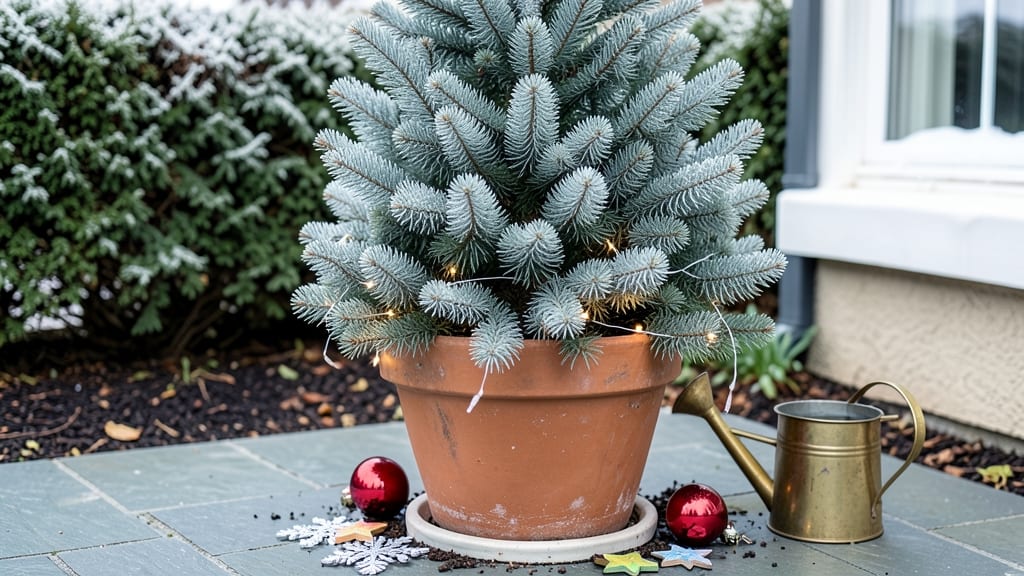
A potted blue spruce Christmas tree transforms any space into a year-round holiday wonderland—no yard required. 🌲 I’ve grown mine for eight winters now, and the secret to keeping it thriving isn’t complicated: it’s about matching its mountain roots to container life.
The silvery-blue needles stay vibrant when you nail the soil, sunlight, and watering rhythm.
Start with a container at least 12 inches wider than the root ball—blue spruces hate crowded roots. Use a well-draining mix of 60% pine bark fines, 30% peat moss, and 10% perlite, and keep the soil slightly moist but never soggy.
These trees love full sun (6+ hours daily), and their needles will tell you if they’re happy: bright blue means thriving; dull green means too much shade or water.
By summer, you’ll see new growth at the tips, and with annual pruning (just trim brown tips in early spring), your tree stays lush and compact. The real magic? Overwintering—wrap the pot in burlap, move it to a sheltered spot, and water only when the soil feels dry.
Mine loses zero needles each winter, and neighbors ask how I keep it looking so fresh.
Common mistakes? Overwatering (root rot is silent) and skipping fertilizer (use slow-release 10-10-10 in spring). With these tweaks, your potted blue spruce will outlast store-bought trees—and become the centerpiece of your home for decades.
📚 In This Guide
- What you need
- Instructions
- Tips and common mistakes
- Wrapping up and next steps
What you need
- ● Blue Spruce Sapling or Small Tree: Choose a Picea pungens 'Glauca' (blue spruce) with a sturdy root system. Opt for a 3–5 ft. specimen for containers (mature trees may need larger pots).
- ● Container: A whiskey barrel, half-barrel, or large ceramic pot (24"+ in diameter) with drainage holes. For larger trees, a 50-gallon planter works best.
- ● High-Quality Potting Mix: A well-draining blend (e.g., 60% pine bark fines, 20% perlite, 20% peat moss). Avoid garden soil—it compacts and suffocates roots!
- ● Drainage Layer: 3–4 inches of gravel or expanded shale at the container’s base.
- ● Slow-Release Fertilizer: 10-10-10 or 14-14-14 (follow package rates for container plants).
- ● Mulch: 2–3 inches of pine bark or wood chips (retains moisture and regulates soil temp).
- ● Garden Gloves (to protect hands from sharp bark).
- ● Trowel or Spade (for planting and amending soil).
- ● Watering Can or Hose with Nozzle (gentle watering prevents soil erosion).
- ○ Staking System (Optional): 3–4 bamboo stakes + soft ties if your tree is top-heavy or in windy areas.
- ○ Decorative Accents (Optional): Ornamental rocks, moss, or holiday lights for year-round flair!
- ● Sunlight Spot: 6+ hours of full sun daily (blue spruces thrive in bright light).
- ● Weather Check: Ensure your container can handle winter temps down to -30°F (use insulated planters or move indoors if needed).
- ● Drainage Plan: Place containers on elevated stands or saucers to prevent root rot.
Step-by-step guide to potting a blue spruce Christmas tree for year-round display
Here’s how to transform a classic holiday tree into a living centerpiece that thrives indoors—and stays lush through winter.
🪴 Step 1: Select the Right Container and Drainage System
Choose a 5-7 gallon container with drainage holes—blue spruce roots need airflow to prevent rot. I opt for unglazed ceramic pots because they wick moisture away naturally, but plastic with added drainage layers works too. Line the bottom with 1-2 inches of gravel or expanded shale to create a reservoir for excess water.
If your pot lacks holes, drill them yourself—at least four spaced evenly around the base. The key is balance: a heavy pot keeps the tree stable, but drainage prevents the roots from suffocating. Place a mesh screen over the holes to keep soil in while allowing water to escape freely.
🌱 Step 2: Prepare the Soil Mix for Optimal Root Health
Blue spruce prefers acidic, well-draining soil with a pH between 4.5 and 6.0. Mix 60% peat moss or coconut coir with 30% pine bark fines and 10% perlite to mimic its natural forest floor habitat. Avoid garden soil—it compacts and holds too much moisture, leading to root rot.
Sterilize the mix by baking it in the oven at 200°F for 30 minutes to kill pathogens. Let it cool completely before use. The texture should resemble crumbled damp newspaper—light enough for roots to spread but with enough structure to hold moisture without drowning the tree.
☀️ Step 3: Transplant the Tree with Minimal Root Disturbance
Water the tree’s root ball thoroughly 24 hours before repotting to reduce stress. Lift it carefully by the base, keeping the root ball intact—blue spruce hate root circling, which stunts growth. If the roots are bound, gently tease them apart with your fingers or a chopstick.
Place the tree in the container so the top of the root ball sits 1-2 inches below the rim. Fill the gaps with your prepared mix, pressing lightly to eliminate air pockets. Water deeply until it drains from the bottom holes—this settles the soil and removes any remaining air gaps that could suffocate roots.
💧 Step 4: Establish a Watering and Humidity Routine
Blue spruce in pots dry out faster than in-ground trees. Water when the top 2 inches of soil feel dry to the touch, but avoid soggy conditions—overwatering is the #1 killer. Use a moisture meter for accuracy, aiming for 60-70% soil moisture at all times. In winter, reduce watering to every 10-14 days unless the room is heated.
Mist the needles 2-3 times weekly to replicate forest humidity, especially indoors where dry air causes browning. Group the pot with other plants to create a microclimate that retains moisture longer. A humidifier nearby helps if your home has low humidity—blue spruce needles thrive at 40-60% humidity.
✂️ Step 5: Prune and Fertilize for Long-Term Health
Prune in early spring to shape the tree and remove dead branches. Use sterilized bypass pruners to make clean cuts just above a healthy bud. Never remove more than 1/3 of the foliage in one season—blue spruce grow slowly and need time to recover. Shape the top wider than the base to mimic natural growth patterns.
Fertilize twice yearly: once in early spring with a slow-release evergreen fertilizer (10-10-10 ratio) and again in mid-summer with a liquid acid-loving plant formula. Follow label instructions precisely—over-fertilizing burns roots and causes needle drop. Flush the soil with water monthly to prevent salt buildup from fertilizers.
Tips & tricks for potted blue spruce tree care
Here's what nobody tells you about keeping your evergreen thriving indoors for years to come.
Container Weight Matters: When selecting your 5-7 gallon container, prioritize weight over aesthetics—blue spruce can reach 10 feet tall indoors and heavy ceramic pots prevent toppling. I recommend positioning the pot near an interior wall for stability, especially if you have pets or children. The 1-2 inches of gravel at the bottom also adds subtle weight while improving drainage efficiency. Balance is everything when dealing with wind-sensitive evergreens.
Soil Sterilization Secret: That 200°F sterilization step isn't just about killing pathogens—it also activates beneficial microbes that help break down organic matter in your 60% peat moss mix. Let the soil cool completely before use, but don't skip this step: I've seen root rot develop within weeks when using unsterilized soil, even with perfect drainage. Think of it as sanitizing your tree's new home before move-in day.
Transplanting Timing: The 24-hour pre-watering before repotting is crucial, but timing matters just as much. Schedule your transplant on an overcast day or late afternoon to minimize stress from direct sunlight. Blue spruce are sensitive to temperature fluctuations, so avoid moving them between extreme indoor and outdoor conditions. I've found that transplanting in cooler months (fall or early spring) gives roots more time to establish before summer heat arrives.
Humidity Hack: For those 2-3 weekly mistings, consider using a spray bottle with distilled water to prevent mineral buildup on the needles. Grouping your potted blue spruce with other plants creates a natural microclimate that retains humidity longer. I've seen dramatic improvements in needle health by placing the pot on a tray filled with pebbles and water—just make sure the pot sits above the water line to prevent root rot from sitting moisture.
Pro Tips for Blue Spruce Christmas Tree Potted
- Here's what nobody tells you about keeping your evergreen thriving indoors for years to come.
- Container Weight Matters: When selecting your 5-7 gallon container, prioritize weight over aesthetics—blue spruce can reach 10 feet tall indoors and heavy ceramic pots prevent toppling.
- Soil Sterilization Secret: That 200°F sterilization step isn't just about killing pathogens—it also activates beneficial microbes that help break down organic matter in your 60% peat moss mix.
Frequently asked questions
Got questions about keeping a blue spruce Christmas tree potted? You’re not alone! Here are some of the most common queries—plus straightforward answers to help you care for your evergreen beauty year-round.
Can I keep a potted blue spruce as a Christmas tree for multiple years?
A yes! With proper care, your potted blue spruce can be your holiday centerpiece for years. Just ensure it’s in a large enough container (at least 18–24 inches wide) and repot every 2–3 years to refresh the soil. Prune lightly after the holidays to encourage new growth, and it’ll stay lush and festive.
When is the best time to plant or repot a blue spruce?
Spring or early fall is ideal—when temperatures are mild and the tree isn’t stressed. Avoid winter planting (frost can damage roots) and summer heat (which increases transplant shock). If you’re repotting, do it in spring to give roots time to establish before the next holiday season.
How do I protect my potted blue spruce from winter weather?
Blue spruces are hardy, but potted trees are vulnerable to drying winds and freezing roots. Move it to a sheltered spot (like a garage or under an eave) or wrap the pot in burlap. Water sparingly before the first freeze, and avoid overwatering—soggy soil can lead to root rot in cold temps.
Can I decorate a potted blue spruce the same way as a cut tree?
Just go easy on the lights and ornaments—potted trees are lighter and can tip over. Use lightweight decorations, and avoid heavy snow or ice buildup. For extra stability, bury the pot in mulch or place it on a wide, flat surface. Pro tip: Skip real candles (fire hazard!) and opt for LED lights instead.
What if my potted blue spruce turns brown or drops needles?
Brown needles or shedding usually mean stress—check for these culprits: overwatering (let soil dry between waterings), underwatering (consistent moisture is key), or sunburn (move it to partial shade if leaves scorch). If the problem persists, trim dead branches and adjust care. Most potted spruces bounce back with TLC!
Wrapping up and next steps
A potted blue spruce Christmas tree isn’t just a holiday centerpiece—it’s a year-round investment in evergreen beauty and curb appeal! Whether you’re drawn to its striking glauca needles, low-maintenance charm, or the joy of container gardening, this tree brings effortless elegance to patios, porches, and balconies.
With the right care, it can thrive for decades, becoming a cherished part of your outdoor (or indoor!) space.
Ready to bring home your own? Start by choosing the perfect pot and location—then enjoy the process of nurturing this living decoration. 🌲✨ Your future self (and your holiday decor) will thank you!