
Pruning
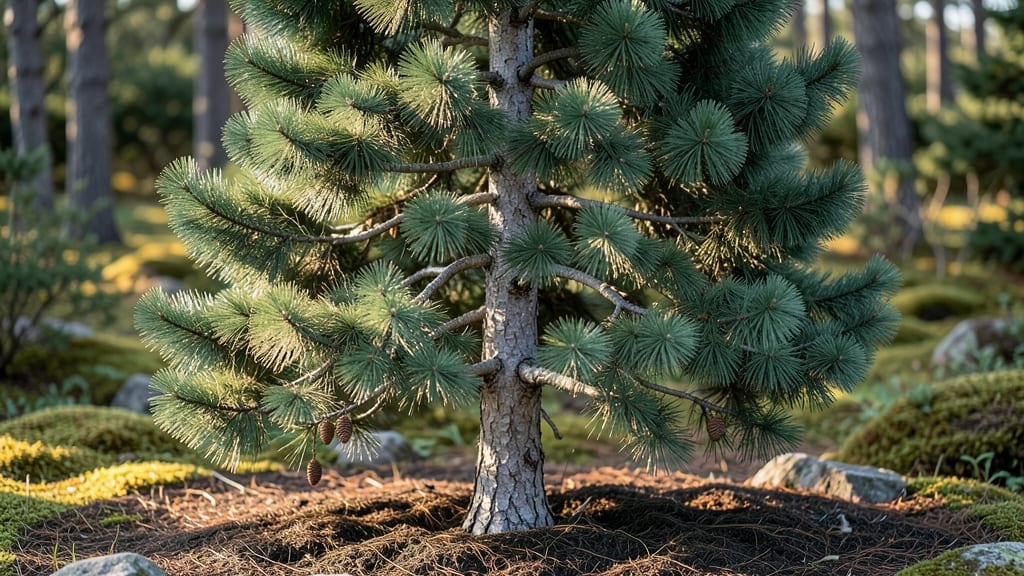
Your Korean fir tree Christmas tree can go from ordinary to perfect with just a few strategic cuts. ✂️ These silver-blue beauties stay lush all season, but their natural shape needs guidance—especially if you want that showstopping holiday look without sacrificing health.
The secret isn’t aggressive pruning—it’s timing and technique. Prune in late winter or early spring when the tree is dormant, and always cut just above a bud or branch collar. I learned the hard way that hacking branches mid-season stresses the tree and invites pests.
A sharp pair of pruners and a clear day make all the difference. You’ll end up with a tree that holds its needles like a dream, stays compact, and smells like a mountain forest. The key is light shaping, not drastic changes—think of it as sculpting rather than trimming.
Even a small adjustment now means fewer branches to remove later. Works for both ornamental trees and holiday centerpieces. Let’s get those branches looking intentional!
📚 In This Guide
- What you need
- Instructions
- Tips and common mistakes
- Wrapping up and next steps
What you need
- ● Pruning shears: Bypass pruners (sharp, 6–8" blades) for clean cuts on small branches.
- ● Loppers: 1 pair (for thicker branches, 10–14" cutting range).
- ● Hand saw: Pruning saw with a curved blade (for stubborn, woody branches).
- ● Rubbing alcohol (70%+) or bleach solution: 1 small bottle (to sterilize tools between cuts).
- ● Disposable gloves: 1–2 pairs (nitrile for grip and protection).
- ● Measuring tape: 1 (for tracking branch length and tree height).
- ● Ladder or step stool: Sturdy, tall enough to reach the tree’s top safely.
- ● Trash bags or bucket: 1–2 (for collecting pruned branches and debris).
- ○ Twine or zip ties: 1 roll (optional, for securing branches during shaping).
- ● Tree spray (fungicide): 1 bottle (to prevent disease after pruning).
- ● Pruning sealant: 1 small tube (for sealing large cuts > ½" diameter).
- ● Spray bottle with water: 1 (to mist cuts and reduce stress on the tree).
- ● Sketch or template: Printed or hand-drawn (to visualize your desired shape).
- ● Safety goggles: 1 pair (if working near dusty or dry branches).
Instructions for pruning your Korean fir Christmas tree
Here's how to transform your Korean fir into a showstopping centerpiece year after year.
✂️ Step 1: Assess the Tree's Structure and Health
Start by examining your Korean fir from all angles—look for dead branches, overcrowded growth, or uneven foliage density. Korean firs naturally grow with a dense, pyramidal shape, but pruning helps maintain that perfect cone silhouette. Run your hand along the branches—any that feel brittle or lack needles should be removed immediately.
Focus on the lower third of the tree first. Korean firs often develop sparse growth at the base, which can make them look unbalanced. Identify the main trunk and primary branches—these will guide your cuts. Use a small mirror or step stool to check hard-to-see areas, especially if your tree is tall.
✂️ Step 2: Prune for Shape and Airflow
Begin pruning by removing any crossing or rubbing branches—these create weak points where bark can tear and invite disease. Make your cuts just outside the branch collar (the swollen area where the branch meets the trunk) using sharp, bypass pruners. Avoid leaving stubs, as they can die back and look unsightly.
For shaping, focus on creating a gradual taper from top to bottom. Trim the top branches slightly to encourage outward growth, but avoid cutting more than 1/3 of the branch length at once. Korean firs respond well to light pruning—think of it as sculpting rather than drastic reshaping. Step back every few cuts to visualize the tree's balance.
🌿 Step 3: Thin Out Dense Areas
Korean firs can become overly dense, especially in the middle of the tree. Use thinning cuts to improve airflow and light penetration—this prevents fungal issues and keeps the tree looking lush. Select branches that are growing inward and cut them back to the collar. Aim to remove 20-30% of the foliage in dense areas, but never more than 10% of the total tree volume in a single session.
Pay special attention to the inner branches, which often get shaded and sparse. By thinning these, you’ll encourage new growth from the inside out. Use hand pruners for smaller branches and loppers for thicker ones. After each cut, shake the branch gently—if it releases a cloud of old needles, it’s a sign the branch was already stressed.
⏰ Step 4: Time Your Pruning for Optimal Results
Prune your Korean fir in late winter or early spring, just as new growth begins to emerge. This timing ensures the tree has time to heal before the stress of summer heat. Avoid heavy pruning in fall, as the tree needs its foliage to prepare for winter dormancy. If you must prune in late summer, do so at least 6-8 weeks before the first frost to allow wounds to callus over.
After pruning, water the tree deeply to help it recover. Korean firs are drought-tolerant once established, but pruning creates fresh wounds that need moisture to heal. Apply a 2-3 inch layer of mulch around the base (but not touching the trunk) to retain soil moisture and regulate temperature. Monitor the tree for 3-4 weeks post-pruning
Keep your Korean fir in a location with full sun to partial shade—they tolerate a range of light conditions but thrive best with at least 4-6 hours of direct sunlight daily. In hot climates, afternoon shade protects the needles from drying out. Water deeply once a week during the growing season, allowing the top 2-3 inches of soil to dry between waterings. Fertilize in early spring with a balanced, slow-release fertilizer (10-10-10 or similar) to support new growth. Avoid heavy nitrogen fertilizers, which can lead to excessive soft growth that’s prone to damage. Inspect the tree annually for signs of pests like spider mites or scale insects—treat early with horticultural oil if needed. With consistent care, your Korean fir will maintain its vibrant green color and dense form for decades.☀️ Step 5: Maintain Year-Round Care for Long-Term Perfection
Tips & tricks for perfect Korean fir tree pruning
Transforming your Korean fir into a flawless Christmas centerpiece takes more than just cutting branches—it’s about strategic pruning for long-term health and beauty.
Tool Selection Matters: Invest in a pair of sharp, high-quality bypass pruners for clean cuts that heal properly. Dull blades crush branches, creating wounds that invite disease. For thicker branches (over ½ inch), use loppers with extended handles to reach higher branches safely. I always sterilize my tools with rubbing alcohol between cuts to prevent spreading pathogens—especially important when working with evergreens that can harbor fungal spores.
Pruning Technique for Health: When making cuts in Step 2, always target the branch collar—the swollen area where the branch meets the trunk. Cutting just outside this collar prevents damage to the protective layer that heals the wound. For thicker branches, make a slight undercut first to control the direction of the cut, then complete it smoothly. This technique ensures the tree maintains its structural integrity while promoting new growth from the collar area.
Seasonal Timing Insight: The instructions specify late winter or early spring as ideal, but there’s a reason behind this. Korean firs enter dormancy in fall, and their energy reserves are lowest during winter. Pruning in late winter (just before bud break) gives the tree maximum time to recover before summer heat stress. If you must prune in late summer, the 6-8 week buffer before frost is critical—it allows wounds to callus over before winter’s freezing temperatures.
Post-Pruning Care: After completing all cuts, don’t forget the immediate aftercare. The 2-3 inch mulch layer mentioned in Step 4 should extend 2-3 inches beyond the tree’s drip line (the edge of its canopy). This creates a moisture-retaining barrier while preventing mulch from touching the trunk. For the first 3-4 weeks post-pruning, I recommend a weekly deep watering—aim for 1-1½ gallons per inch of trunk diameter—to support the tree’s recovery process.
Pro Tips for Korean Fir Tree Christmas Tree
- Transforming your Korean fir into a flawless Christmas centerpiece takes more than just cutting branches—it’s about strategic pruning for long-term health and beauty.
- Tool Selection Matters: Invest in a pair of sharp, high-quality bypass pruners for clean cuts that heal properly.
- Pruning Technique for Health: When making cuts in Step 2, always target the branch collar—the swollen area where the branch meets the trunk.
Frequently asked questions
Got questions about your Korean fir tree? Whether you're prepping it for the holidays or keeping it thriving year-round, here are some common queries—and answers—to help you along the way!
How do I know if my Korean fir is healthy enough to be a Christmas tree?
A healthy Korean fir should have vibrant green needles that don’t fall off when gently rubbed. Avoid trees with brown tips, sparse branches, or a strong resin smell—these can signal stress or disease. If the trunk is straight and sturdy, it’s a great pick for holiday decor!
When is the best time to prune a Korean fir for a Christmas tree?
Prune your Korean fir in late winter or early spring (February–March) to encourage fresh growth before the holiday season. Avoid heavy pruning in fall, as it can stress the tree. For a pre-cut Christmas tree, trim branches in stages: first in the field (by the grower) and again at home (1–2 weeks before decorating) to remove dead wood.
Can I reuse a Korean fir tree after the holidays?
Yes! With proper care, your Korean fir can thrive for years. After removing decorations, rinse it with water to remove sap, then place it in a cool, shaded spot outdoors. Prune any broken branches, and water it regularly. Avoid fertilizing right away—wait until spring to give it a boost.
What’s the difference between a Korean fir and a Frasier fir for Christmas trees?
Both are popular, but Korean firs have softer, bluer-green needles and a slightly stronger scent than Fraser firs. Korean firs also hold needles longer after cutting, making them a great budget-friendly alternative. Fraser firs, however, have stiffer branches, which some prefer for heavy ornaments. Choose based on your decor style and scent preference!
Why are my Korean fir branches turning brown after pruning?
Brown tips or branches after pruning usually mean over-trimming or stress. Avoid cutting into old wood—always prune just above a healthy bud or branch. If the damage is severe, apply a balanced fertilizer and keep the tree well-watered. Brown spots can also signal fungal issues—treat with a copper-based fungicide if needed.
Wrapping up and next steps
Transforming your Korean fir tree into a stunning Christmas centerpiece is easier than you think!
With the right tools, timing, and techniques—like selective pruning and proper spacing—you’ll enjoy a lush, fragrant tree that steals the show. 🎄✨ Remember, patience and consistency are key to keeping your tree healthy and full year after year.
Ready to take the next step? Start small—prune a few branches this season, then build on your skills. Before you know it, you’ll be the holiday host with the perfectly pruned Korean fir tree that everyone admires! 🌟