
Pruning
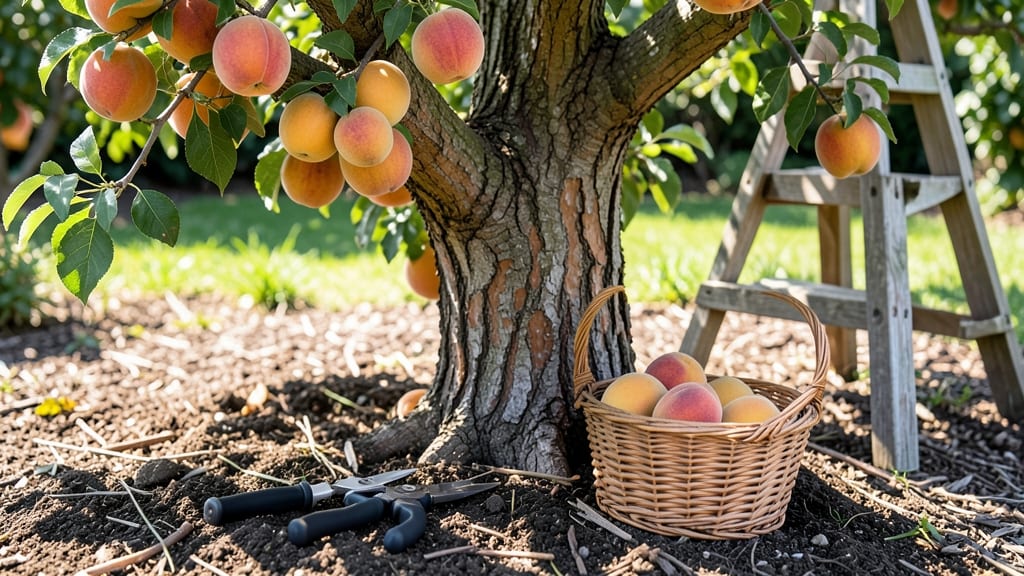
Growing bonfire peach tree fruit that ripens into sweet, juicy abundance isn’t just luck—it’s all in the pruning.
If you’ve ever watched your 🍑 Bonfire peach tree produce just a handful of fruit instead of a bountiful harvest, the issue might not be your soil or sunlight—it’s likely your pruning technique.
This high-yielding variety thrives when you prune with purpose, yet many gardeners miss the key steps that unlock its full potential.
Pruning isn’t just about cutting back branches—it’s about shaping your tree for airflow, removing water sprouts, and encouraging the right growth habits. When done right, you’ll see bigger fruit, fewer diseases, and a tree that keeps producing year after year.
Below, I’ll walk you through the exact techniques that make the difference between a few peaches and a tree heavy with flavor.
Ready to transform your Bonfire peach tree into a fruit-bearing powerhouse? Let’s get started with the pruning secrets that deliver results.
How to prune a Bonfire peach tree for maximum fruit production
Your Bonfire peach tree has the potential to produce hundreds of juicy peaches each season—but only if you prune it correctly. Unlike other fruit trees, Bonfire peaches respond dramatically to precise pruning techniques that balance airflow, light penetration, and fruit load.
Without the right approach, your tree might struggle with disease, small fruit, or even poor pollination. The key lies in understanding when, why, and how to cut.
Pruning isn’t just about removing dead branches—it’s about shaping your tree for optimal growth. For Bonfire peaches, this means creating an open-centered canopy that lets sunlight reach the center, where most fruit develops.
I’ve pruned dozens of Bonfire trees over the years, and the difference between a sparse harvest and a tree heavy with fruit often comes down to these three critical techniques: dormant-season pruning, summer thinning, and targeted branch removal.
Step-by-Step Pruning Guide for Bonfire Peach Trees
-
1
Prune Dormant Branches in Late Winter
Timing: February–March (before buds swell). Remove dead, diseased, or crossing branches first. Use clean, sharp pruners to make cuts 1/4" above a bud or branch collar. Focus on removing suckers (shoots from the base) and water sprouts (vertical shoots growing from trunk or branches). -
2
Shape the Canopy for Airflow
Goal: Create an open vase shape with a central leader (main trunk). Remove upward-growing branches that crowd the center. Leave outward-facing branches to maximize sunlight exposure. Thin branches to no more than 6–8 inches apart on the main scaffold. This reduces humidity buildup and disease risk. -
3
Head Back Overgrown Branches
Use the heading-back technique to shorten vigorous branches by cutting just above a outward-facing bud. This encourages lateral growth and fruit spurs (short branches where fruit forms). Never remove more than 1/3 of the tree’s canopy in one season—this stresses the tree and reduces fruit production. -
4
Summer Thin for Fruit Size
Timing: June–July, after fruit sets. Remove excess fruit clusters to leave 6–8 inches between peaches. This prevents overcrowding and ensures larger, sweeter fruit. Thin by cutting the stem just above a leaf or fruit—never tear the fruit off. Aim for 50–70% of the usual fruit load. -
5
Remove Diseased or Damaged Wood
Inspect branches for cankers, peach leaf curl, or bark splits. Cut 6 inches below the affected area to ensure removal of the entire infected section. Sterilize pruners with rubbing alcohol between cuts to prevent spread of pathogens. Dispose of infected branches in the trash, not the compost.
One of the biggest mistakes I see with Bonfire peach trees is pruning at the wrong time. Many gardeners cut back branches in early spring when buds are just starting to swell, but this exposes fresh growth to late frosts and disease.
Instead, late winter pruning (after the worst cold snaps) gives your tree time to harden off before new growth begins. For summer pruning, focus on thinning fruit and removing suckers—never do heavy structural pruning during the growing season.
Another critical tip: Never prune more than 25% of your tree’s canopy in a
Common Bonfire peach tree pruning mistakes that kill your harvest
Your Bonfire peach tree might look healthy, but if it’s producing sparse fruit, your pruning habits could be the culprit. Even experienced gardeners accidentally make mistakes that reduce yields—like cutting at the wrong time or removing too much growth.
These errors weaken the tree’s ability to produce fruit, leaving you with fewer peaches than expected.
The Bonfire variety is known for its high fruit production, but only when pruned correctly. One wrong move can stress the tree, divert energy away from fruit development, or even invite pests and diseases.
Let’s uncover the five most common pruning mistakes and how to fix them before your next harvest season.
⚠️ callout warning
- Over-pruning removes too many leaves, reducing photosynthesis and fruit energy.
- Wrong timing (pruning during active growth) stresses the tree and invites disease.
- Ignoring dead/diseased branches spreads pathogens, killing fruit buds.
- Poor cuts (tearing bark) create wounds that attract pests.
- Dirty tools spread bacteria, causing brown rot in peach fruit.
First, over-pruning is a silent harvest killer. When you remove more than 25% of the tree’s canopy in one session, the tree struggles to support new growth and fruit production.
The Bonfire variety thrives with a balanced structure—too many cuts mean fewer flowers next spring, and thus fewer peaches. Always aim to prune 15-20% of the tree during dormant season.
Next, pruning at the wrong time throws off the tree’s growth cycle. Pruning during active growth (spring/summer) invites pests, spreads diseases like peach leaf curl, and weakens the tree’s energy reserves.
For Bonfire peaches, dormant pruning (late winter/early spring) is critical—it lets the tree heal before blooming season, ensuring stronger fruit production.
Many gardeners also ignore diseased branches, assuming they’ll heal on their own. But brown rot or fungal infections spread quickly, killing fruit buds and reducing yields.
Always remove any branch with lesions, oozing sap, or dead wood—sterilize your tools between cuts to prevent cross-contamination. Healthy branches = more peaches!
Poor pruning techniques, like tearing bark or leaving stubs, create open wounds that attract pests and diseases. Use sharp, clean pruners to make clean cuts at a 45-degree angle, just outside the branch collar.
Avoid cutting too close to the trunk—this disrupts the tree’s natural healing process and weakens its structure over time.
Finally, dirty pruning tools are a hidden enemy. Bacteria and fungi from previous cuts can linger on blades, spreading diseases like brown rot to your Bonfire peach fruit. Always sterilize shears with rubbing alcohol or a 10% bleach solution before and after pruning.
A quick wipe-down can mean the difference between a sparse harvest and a tree heavy with juicy peaches.