
Propagation
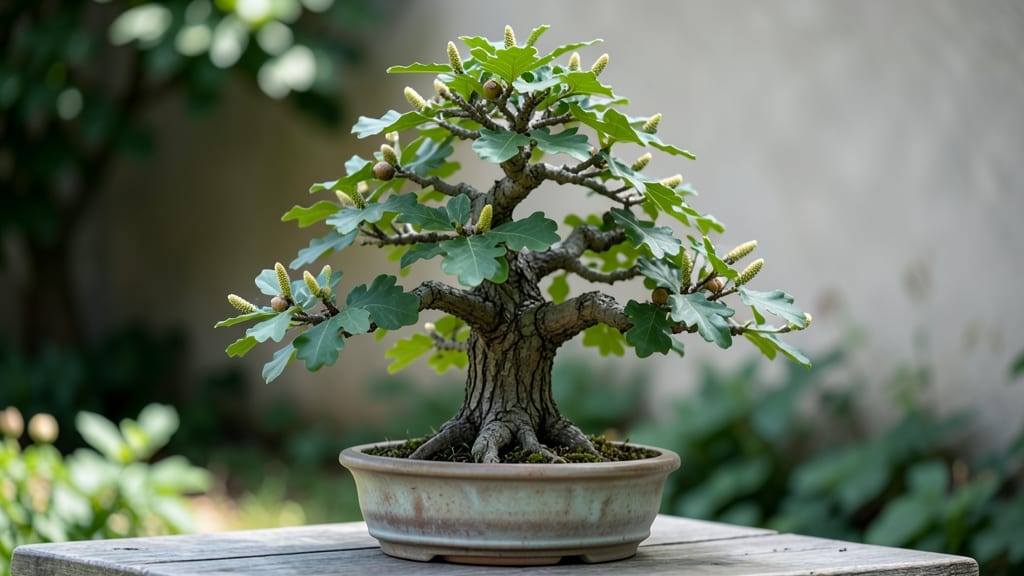
Growing a bonsai oak tree from an acorn is the ultimate test of patience—because the real magic happens in decades, not days. 🌱 I’ve watched my first oak acorn sprout into a sturdy seedling, and now it’s developing the gnarled character of a 100-year-old tree in just a few inches of space.
This isn’t just gardening; it’s sculpting time itself.
The trick starts with the right acorn—white oaks (Quercus alba) are the easiest for beginners, but red oaks (Quercus rubra) grow faster. You’ll need a shallow tray, damp paper towels, and a warm spot (around 70°F) to coax germination in 4-8 weeks.
Once sprouted, the real work begins: keeping the soil moist but never soggy, and giving it bright, indirect light from the start.
By year three, you’ll prune for structure—pinching back new growth to encourage branching and wiring the branches into elegant curves. The soil mix matters too: 50% akadama, 30% pumice, 20% organic matter keeps roots healthy while allowing water to drain.
Every cut and bend teaches you to see the tree as both a living thing and a work of art.
This isn’t a quick project—it’s a lifelong relationship. But when you hold a miniature oak in your hands that you nurtured from a single seed, you’ll understand why bonsai isn’t just gardening. It’s the art of slow, deliberate creation.
📚 In This Guide
- What you need
- Instructions
- Tips and common mistakes
- Wrapping up and next steps
What you need
- ● Acorns: 3–5 fresh, healthy acorns (preferably from a mature oak tree like Quercus robur or Quercus palustris). Ensure they’re plump and free of cracks or mold.
- ● Potting soil: 1–2 bags of well-draining bonsai soil mix (or a blend of 50% inorganic grit, 30% organic matter, and 20% peat moss). Avoid regular garden soil—it retains too much moisture!
- ● Containers: Small plastic nursery pots (3–4 inches wide) for germination (1–2 pots).
- ● Larger bonsai trays (6–8 inches wide) for young seedlings (1 tray).
- ● Watering can or spray bottle: A fine-mist sprayer works best for delicate seedlings.
- ● Clear plastic wrap or humidity dome: To create a mini greenhouse effect during germination.
- ● Pruning shears: Small, sharp bonsai shears (for trimming roots and branches as the tree grows).
- ● Root hook or chopsticks: For gently teasing out roots during repotting.
- ○ Wire (copper or aluminum):strong> Thin-gauge (1–2mm) for wiring branches (optional, for shaping).
- ● pH test kit: To monitor soil acidity (ideal range: 5.0–6.5 for oaks).
- ● Sunlight: A south-facing window or grow lights (12–14 hours/day for seedlings).
- ● Fungicide (like neem oil) to prevent mold or pests.
- ● Slow-release fertilizer (balanced 10-10-10) for young seedlings (use sparingly!).
- ● Wire mesh or gravel layer at the bottom of pots for extra drainage.
- ● Journal or app to track growth, pruning dates, and watering schedules.
Step-by-step instructions for growing a bonsai oak from acorn
Here's how I've transformed stubborn acorns into elegant bonsai oaks over decades.
🌱 Step 1: Collect and Stratify Acorns for Germination
Gather mature acorns from healthy oak trees in fall—they need 120-180 days of cold stratification to break dormancy. I store mine in a sealed plastic bag with slightly damp peat moss, then refrigerate at 35-45°F for 3 months. This mimics winter conditions and tricks the seed into thinking spring has arrived.
Check monthly for sprouting. If you see a ¼-inch white root emerging, it's ready to plant. Don't rush—over-stratified acorns may rot. I've learned the hard way that patience here prevents moldy failures later.
🌿 Step 2: Start in a Humid, Warm Germination Environment
Fill a 4-inch pot with sterile seed-starting mix and plant the acorn ½ inch deep, pointed end down. Keep the soil consistently moist but never soggy—oaks hate waterlogged roots. Cover the pot with plastic wrap to maintain 90% humidity and place it in a 75-80°F warm spot.
Germination can take 4-12 weeks, so don't give up if nothing happens in 30 days. I've had acorns sprout after 6 months—just keep checking. Once the first true leaves appear (not the initial seed leaves), remove the plastic and move to bright, indirect light.
☀️ Step 3: Transition to Bright Light and Prune for Structure
After 6-8 weeks with 4-6 true leaves, gradually introduce direct morning sun. Oaks need 6+ hours of light daily to develop strong stems. I use a grow light for 14 hours/day if natural light is insufficient—leggy seedlings won't recover.
When the seedling reaches 6 inches tall, prune the top set of leaves to encourage branching. Use clean, sharp scissors to make cuts just above a leaf node. This is where future branches will grow—don't cut too low or you'll damage the plant. Repeat pruning every 2-3 months to maintain a compact shape.
🪴 Step 4: Repot and Begin Bonsai Training
After 2 years, repot into a 6-inch bonsai pot with fast-draining akadama mix. Oaks have invasive roots, so prune ⅓ of the root ball during repotting to keep it contained. This shock forces the tree to develop a dense root system—essential for bonsai health.
Start wiring branches at 3-4 years old when they're flexible but not brittle. Use 2-3mm aluminum wire to gently shape the tree. Remove wire after 3-6 months to avoid scarring. I check wire monthly—if it cuts into the bark, remove it immediately. Patience here prevents permanent damage.
⏰ Step 5: Maintain Seasonal Care for Long-Term Health
Oaks need full sun (6+ hours) year-round, but protect from extreme heat during summer. I mist leaves daily in dry climates to prevent leaf scorch. In winter, keep indoors if temperatures drop below 20°F—oaks are hardy but young bonsai trees can't handle frost.
Fertilize lightly with balanced bonsai fertilizer every 4-6 weeks during growing season. Over-fertilizing causes weak growth—oaks grow slowly naturally. Prune new growth to 2-3 leaves after each flush to maintain miniature proportions. This is where true bonsai mastery begins.
Tips & tricks for perfect bonsai oak cultivation
Transforming an acorn into a bonsai masterpiece takes more than just time—it requires understanding the subtle cues your young oak gives you.
Stratification Secrets: The 3-month cold treatment at 35-45°F isn't just about breaking dormancy—it's about mimicking nature's gradual thaw. I've found that wrapping the sealed bag in a thin towel helps maintain even moisture without creating anaerobic conditions that lead to mold. The key is checking monthly: if you see that ¼-inch root, plant immediately. Waiting too long risks the acorn drying out or developing fungal issues.
Germination Environment Mastery: That 90% humidity and 75-80°F range is non-negotiable, but here's what I've learned: place your pot on a layer of pebbles in a shallow tray with water below—this creates bottom heat while keeping the soil moist. The plastic wrap should feel slightly damp inside, not dripping. And when those true leaves appear (they'll look different from the initial seed leaves), that's your signal to transition to brighter light. I've had seedlings develop leggy stems when moved too quickly to direct sun.
Pruning Precision: When your oak reaches 6 inches and you're ready to prune for branching, make your cuts just above a leaf node—this is where new growth will emerge. I use a magnifying glass to identify these nodes, especially on smaller seedlings. And remember: those 2-3 month pruning intervals are crucial. Oaks grow slowly, so you're shaping the foundation for your bonsai's future structure during these early years.
Root Management Strategy: That ⅓ root pruning during repotting might seem drastic, but it's essential for bonsai health. I've seen trees develop gnarled roots when left unchecked—these become impossible to style later. After pruning, I rinse the remaining roots gently to remove old soil, which helps prevent disease. And when wiring branches at 3-4 years old, I always use aluminum wire because it's flexible yet strong enough to hold shape without damaging the bark.
Pro Tips for Bonsai Oak Tree From Acorn
- Transforming an acorn into a bonsai masterpiece takes more than just time—it requires understanding the subtle cues your young oak gives you.
- Stratification Secrets: The 3-month cold treatment at 35-45°F isn't just about breaking dormancy—it's about mimicking nature's gradual thaw.
- The plastic wrap should feel slightly damp inside, not dripping.
Frequently asked questions
Got questions about growing a bonsai oak from an acorn?
You’re not alone! Here are answers to the most common queries—because patience and the right know-how make all the difference.
How long does it take for an acorn to grow into a bonsai oak?
Growing a bonsai oak from an acorn is a long-term project—think 10–20 years or more! The first 5 years focus on nurturing a strong root system and trunk, while styling and pruning begin only after the tree matures. Patience is key!
Can I grow a bonsai oak indoors?
Nope! Oak acorns need outdoor conditions—full sun, seasonal temperature shifts, and fresh air—to thrive. Start them in a protected outdoor space (like a greenhouse or shaded patio) during their first year, then gradually acclimate them to outdoor life. Indoor life = sad, stunted oak!
What if my acorn sprouts but doesn’t grow?
Don’t panic! Acorns are picky—they need consistent moisture (but not soggy soil), warmth (60–70°F), and stratification (cold treatment) to break dormancy. If it’s not sprouting after 4–6 weeks, check for rot (fungus) or dryness. Try soaking another acorn in water for 24 hours before replanting.
Are there faster-growing oak species for bonsai?
Yes! If you’re short on time, consider white oak (slower but sturdy) or pin oak (faster-growing but needs pruning early). Red oak is another option, but all oaks require decades to miniaturize. Pro tip: Start with a young nursery-grown oak sapling if you’re eager!
How do I prevent my young oak from growing too tall?
Prune early and often—but strategically! Focus on root pruning (every 2–3 years) and crown reduction (after 5+ years) to control height. Avoid aggressive pruning in the first year; instead, pinch back new growth to encourage branching. Wiring the trunk (once woody) helps shape it too!
How do I tell if my acorn is viable?
Check for these signs of a healthy acorn:
- Firm, heavy (not hollow or shriveled)
- Smooth cap (no cracks or mold)
- No pests (like weevils or discoloration)
Wrapping up and next steps
Growing a bonsai oak tree from an acorn is a journey of patience, precision, and passion—one that rewards you with a living work of art. 🌱✨ Whether you're a beginner or a seasoned gardener, every small step—from selecting the right acorn to refining your pruning skills—brings you closer to miniature mastery.
The key? Stay consistent, embrace the process, and trust that your dedication will bloom into beauty over time.
Now that you’re armed with knowledge, take the first step today! Start with an acorn, nurture it with care, and watch as your vision takes root. Happy growing—your future bonsai masterpiece awaits! 🌿💚