
Pruning
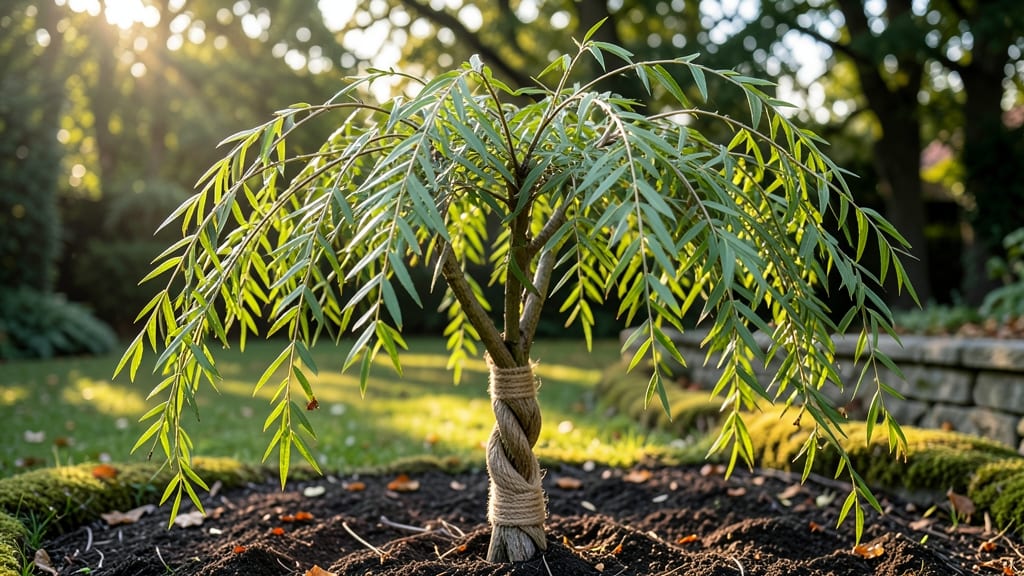
A full-grown braided willow tree 🌳 can reach heights of 15–20 feet, transforming any garden into a living work of art with its dramatic, woven branches.
But here’s the catch: without proper care, those stunning braids can become tangled and uneven, losing their signature charm. The secret to keeping your tree looking its best lies in strategic pruning—timing cuts just right to encourage dense regrowth while preserving that iconic shape.
Whether you’re using it as a bold border, a statement piece near a water feature, or an artistic centerpiece, understanding how to maintain its structure will ensure it stays a showstopper for years.
Below, I’ll walk you through the year-round pruning schedule that keeps your braided willow thriving—and looking effortlessly elegant.
Ready to turn your full-grown willow from a wild tangle into a low-maintenance masterpiece? Let’s dive into the techniques that make all the difference.
When and how to prune a full-grown braided willow tree for optimal growth
A full-grown braided willow tree requires careful pruning to maintain its signature woven structure while promoting healthy regrowth. Unlike traditional willows, these trees need precise cuts to preserve their artistic design.
The best time to prune is late winter or early spring, just before new growth begins—this prevents disease and encourages strong branches.
Willows are fast-growing, so avoid cutting more than 25% of the tree’s branches in one season. Over-pruning weakens the structure and can lead to sparse regrowth. Always use sharp, sterilized tools to make clean cuts and reduce the risk of infection.
I recommend a bypass pruner for smaller branches and a pruning saw for thicker stems over 1 inch in diameter.
Before you begin, gather your tools and inspect the tree for dead or damaged branches. These should be removed first to improve airflow and reduce disease risk. The goal is to shape the tree evenly while maintaining the braided pattern.
Never cut more than one-third of a branch’s length at once, as this can shock the tree.
Step-by-Step Pruning Guide for Braided Willow Trees
- 1 Choose the right season: Prune in late winter (February-March) or early spring (April) before buds swell. Avoid pruning in fall or winter, as this can stimulate weak growth before dormancy.
- 2 Remove dead/diseased branches: Cut these first at the branch collar (swollen area where branch meets trunk). Use sterilized pruners to prevent spreading pathogens. Dispose of infected branches immediately.
- 3 Thin out crowded branches: Focus on branches growing into the center or crossing others. Cut back to a healthy outward-facing bud to encourage airflow. Never leave stubs—always cut at a 45-degree angle just above a bud.
- 4 Preserve the braided structure: When shaping, prioritize maintaining the woven pattern. Avoid cutting more than one-third of any branch’s length. Use twigs or stakes to gently guide new growth into place if needed.
- 5 Clean up and sterilize: After pruning, sterilize tools with rubbing alcohol. Remove all clippings from the base to prevent pests. Apply mulch around the base (but not touching the trunk) to retain moisture.
- 6 Fertilize for regrowth: Apply a balanced fertilizer (10-10-10) 4–6 weeks after pruning. Water deeply to help roots absorb nutrients. Avoid high-nitrogen fertilizers, which promote leafy growth over structural strength.
After pruning, monitor your braided willow for new shoots emerging from the base or along branches. These indicate healthy regrowth. If you notice uneven growth or sparse foliage, it may signal over-pruning—reduce cuts in future sessions.
For mature trees, I recommend a light maintenance pruning in summer (June-July) to shape any wayward branches.
One common mistake is pruning in fall or winter, which can stimulate weak growth before dormancy. Instead, wait until late winter when the tree is dormant but about to wake up.
This timing ensures the tree can heal quickly and grow strong new branches. Always prune on a dry, overcast day to reduce stress on the tree.
For large branches over 2 inches thick, use a pruning saw and make cuts in three steps: first undercut the branch, then cut from the top, and finally remove the stub.
This method prevents tearing. Smaller branches can be snipped with bypass pruners, which create cleaner cuts. Remember, willows bleed sap when cut—this is normal and won’t harm the tree.
To encourage dense regrowth, focus on pruning
Common mistakes that ruin braided willow tree shape (and how to fix them)
Your braided willow tree is a stunning ornamental feature, but its iconic woven branches can quickly lose their structure if pruned incorrectly. Many gardeners unintentionally damage these trees by making common mistakes that weaken growth or even cause structural collapse.
The key to preserving that artistic braided look lies in understanding what not to do—and how to correct past errors.
One of the biggest offenders is over-pruning. When you remove too much foliage at once, your willow tree struggles to recover, leading to sparse growth and a loss of its signature shape.
Another frequent issue is uneven cuts, where branches are trimmed at different lengths, creating an unbalanced appearance. Even the timing of your pruning can make or break your tree’s health.
⚠️ Warning: These Mistakes Can Kill Your Braided Willow
- Pruning in winter: Dormant trees can’t heal properly, leading to dead branches and structural weakness.
- Using dull tools: Jagged cuts invite disease and slow regrowth, ruining the clean braided pattern.
- Skipping seasonal checks: Neglecting yearly maintenance lets weak branches develop, causing collapse over time.
A full-grown braided willow tree (15–20 ft tall) can take years to recover from these errors—act fast to save its shape!
If you’ve accidentally over-pruned your willow, don’t panic. Start by reducing water slightly to help the tree focus energy on recovery rather than new growth. Apply a balanced fertilizer (like 10-10-10) in early spring to support regrowth, but avoid heavy doses.
For uneven cuts, focus on trimming back any overgrown sections to match the original braided symmetry—this might require gradual adjustments over a few seasons.
Timing is everything when it comes to seasonal pruning. The best time to prune is late winter or early spring, just as new growth begins. Avoid cutting in fall or winter, as the tree won’t have time to heal before dormancy.
If you’ve been pruning at the wrong time, shift your schedule immediately—your willow’s health depends on it. For a neglected tree, prioritize structural support by removing any dead or broken branches first.
To revive a neglected braided willow, start with a deep watering to rehydrate the roots, then apply a slow-release fertilizer to encourage gradual recovery. Mulch around the base with organic material (like compost) to retain moisture and improve soil health.
Over the next few growing seasons, focus on light pruning to restore balance—never remove more than 25% of the foliage in any single session.
With patience and the right techniques, you can bring your braided willow tree back to its former glory. The key is consistency: prune at the right time, use sharp tools, and avoid drastic cuts.
Soon, your willow will be thriving again, showcasing its unique woven beauty for years to come. 🌳