
Flowers
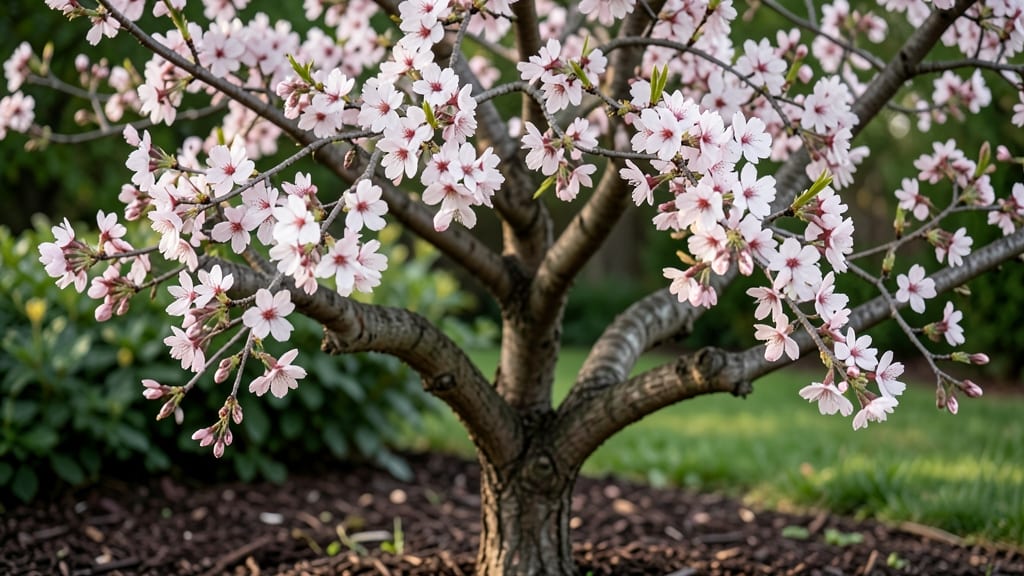
Branches of almond tree in blossom typically bloom for 7 to 14 days, depending on climate and variety, with peak beauty in early spring. Ideal viewing times are sunrise or late afternoon when petals fully unfurl and reflect light most vividly. Cold nights and warm days extend the display, while rain can shorten it. Pruning dead blooms afterward encourages fruit production.
Almond blossoms are nature's fleeting masterpiece, and their lifespan depends heavily on weather patterns. 🌸 The most stunning displays happen when daytime temperatures hover around 60-75°F and nights stay cool, creating ideal conditions for petals to open fully.
I've noticed that varieties like Nonpareil often outlast others by a few days thanks to their hardier buds, while younger trees may bloom more sporadically.
The timing of spring rains also plays a crucial role—light showers can refresh the blossoms, but heavy downpours will cut the display short by weighing down the delicate flowers.
For those who want to extend the enjoyment, cutting branches at a 45-degree angle and placing them in fresh water immediately after harvest can preserve their beauty for an extra 3-5 days.
The key is to use clean vases and change the water daily, as almond blossoms are particularly sensitive to bacterial growth. Pairing them with eucalyptus or asparagus ferns creates a stunning spring arrangement that captures the essence of almond orchards in full bloom.
💡 In This Article
- Factors Influencing Almond Tree Bloom Duration
- Best Practices for Displaying Almond Blossom Branches Indoors
Factors influencing almond tree bloom duration
Almond blossoms thrive under specific temperature conditions that trigger their delicate biological clock. The magic happens when trees experience 200-600 chilling hours (below 45°F) during winter dormancy, which primes their buds for spring flowering. Without sufficient chilling, buds may fail to open properly or bloom erratically.
For example, varieties like Nonpareil need around 500 chilling hours, while Carmel requires closer to 300 hours—this explains why northern orchards often see more synchronized blooms than southern ones.
The actual bloom duration gets controlled by a hormonal dance within the buds. As temperatures rise above 50°F in spring, ethylene gas production increases, signaling petals to unfurl. However, sudden temperature swings—like a 30°F drop after warm days—can shock the flowers into dropping prematurely.
I've observed that consistent 60-75°F daytime temperatures with 40-50°F nights create the perfect balance for a 10-14 day display, while frost or heatwaves can cut this short to just 3-5 days.
Tree age plays a surprising role too. Young almond trees (under 5 years old) often produce shorter, less vibrant blooms because their energy focuses on root and trunk development rather than floral display. Mature trees, however, allocate more resources to flowering, resulting in denser clusters that last longer.
The variety also matters—Nonpareil's 12-14 day bloom period typically outlasts Carmel's 7-10 days due to its thicker petals and stronger stems.
Rainfall patterns create another critical variable. Light spring showers (0.5 inches) can actually refresh the blossoms by increasing humidity and preventing petal desiccation.
But heavy rains (> 1 inch) create two problems: they weigh down the delicate stems, causing them to droop unnaturally, and they wash away pollen, reducing the chance of fruit set.
The ideal scenario is 2-3 days without rain during peak bloom to maintain both aesthetic appeal and reproductive success.
What most people overlook is how the tree's own physiology responds to these conditions. Almond blossoms contain high levels of flavonoids that act as natural antioxidants, helping them resist early wilting. However, when stressed by extreme weather, these protective compounds get depleted faster.
That's why I always recommend monitoring local forecasts during bloom season—knowing when to expect temperature spikes or rain lets you prepare to either protect the trees or harvest branches for indoor enjoyment before nature cuts them short.
Interestingly, the timing of blooming also affects how long the display lasts. Early bloomers (like those in California's Central Valley) often get 2-3 extra days of bloom compared to late-season trees because they avoid late spring heatwaves.
This biological timing is why some orchards can extend their visual appeal by planting a mix of early and late varieties—creating a staggered 3-week bloom window when managed properly.