
Watering
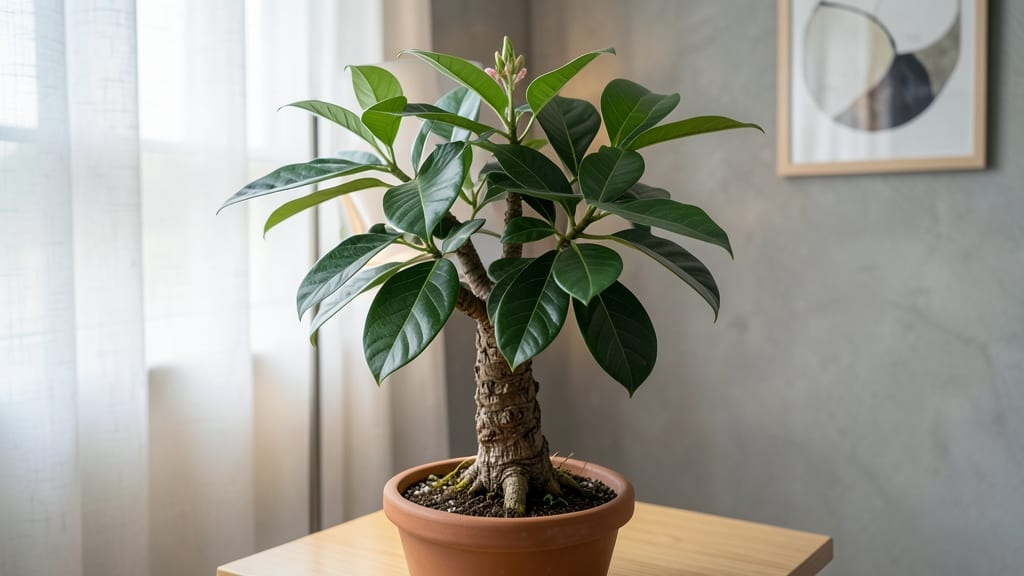
What does an overwatered money tree look like?
That sad droop and yellow leaves scream "I'm drowning!"—not thirsty. 🌱 I've nursed more root-bound pachyderms back to health than I can count, and the signs are always the same: mushy stems, wilted leaves that don't perk up, and that foul, wet soil smell.
This isn't just wilting—it's a cry for help from roots suffocating in soggy soil.
The first step is always stopping the water torture. Let the soil dry out completely between waterings—stick your finger in 2 inches deep, and if it's damp, wait.
You'll also spot those telltale signs: dark, mushy stems (feel them—they give like overripe fruit) and leaves that yellow from the bottom up. The good news? With proper drainage and a little patience, your tree can bounce back in just a few weeks.
What you'll end up with is a sturdy, upright money tree with vibrant green leaves that feel firm to the touch. The recovery process takes focus—repotting into fresh, well-draining soil and keeping humidity up—but the transformation is worth every effort.
Imagine that droopy mess standing tall again, its glossy leaves reaching for the light like it never took a wrong turn.
This works for any money tree, whether it's been in your care for months or years. The key is catching the problem early—before the roots rot completely. Trust me, your plant will thank you with lush new growth that makes all the effort worthwhile. Let's get that soil drying out!
Root Causes of Overwatering
Your money tree (Pachira aquatica) may be drowning in affection—or at least in water—if its leaves are turning yellow, wilting, or dropping. Overwatering is a silent killer for this tropical plant, and understanding why it happens is the first step to saving it.
Let’s dig into the science behind the soggy soil.
Money trees thrive in well-draining soil, but many plant parents err on the side of caution—watering too often. Unlike desert cacti, money trees aren’t drought-proof, but they also can’t tolerate soggy roots for long. Here’s what’s happening:
- Oxygen deprivation: Roots need oxygen to respire (yes, they "breathe"!). When soil stays too wet, oxygen levels drop, suffocating roots and triggering anaerobic conditions—a toxic environment for the plant. This leads to root rot, where fungi and bacteria feast on weakened roots.
- Nutrient lockout: Overwatering flushes essential nutrients (like nitrogen, phosphorus, and potassium) out of the root zone before the plant can absorb them. Without these, the tree can’t produce chlorophyll, causing leaves to yellow (chlorosis).
- Pot size matters: Small pots dry out faster, but if you’re watering on a strict schedule (e.g., every 2–3 days), the roots have no time to dry between sessions. Pro tip: Stick your finger 2 inches into the soil—if it’s damp, wait.
A money tree’s roots are sensitive to waterlogged conditions, and poor drainage is a fast track to disaster. Here’s the breakdown:
| Problem | Why It Happens | Fix It |
|---|---|---|
| Compacted or clay-heavy soil | Clay and dense soils hold water like a sponge, preventing excess moisture from escaping. Roots suffocate because they can’t access air pockets. | Amend soil with perlite, sand, or orchid bark (20–30% mix) to improve aeration. |
| Pots without drainage holes | Water pools at the bottom, creating a permanent wet zone where roots rot. Even "self-watering" pots can trap moisture if not used correctly. | Repot in a container with drainage holes and use a cache pot (a decorative outer pot with a saucer) to catch excess water. |
| No mulch or top layer | Mulch (like bark chips) helps regulate moisture, but skipping it means water evaporates unevenly, leaving lower roots soggy while upper soil dries out. | Add a 1-inch layer of mulch on top of the soil to slow evaporation and protect roots. |
Money trees love warmth and humidity, but if your home’s climate swings wildly, watering habits might be throwing your plant off balance. Here’s how:
- Cold drafts slow evaporation: Near windows in winter or under AC vents, soil stays damp longer because cold air reduces water loss. Roots stay waterlogged, even if you’re watering less frequently.
- High humidity traps moisture: In steamy bathrooms or kitchens, air holds more water vapor, making soil take longer to dry. If you’re used to a drier climate, you might overcompensate by watering more.
- Seasonal changes: Money trees go semi-dormant in winter, needing 30–50% less water. Yet, many water them the same amount year-round, leading to root stress.
Pro tip: Use a hygrometer to monitor humidity (ideal: 40–60%) and adjust watering if levels spike.
Money trees are tough survivors, but they do send SOS signals before they crash. Missing these cues is a common overwatering trap:
- Wilting leaves (even when soil is wet): Unlike thirsty plants, overwatered money trees drop and wilt because their roots can’t absorb water efficiently. The leaves may feel squishy when pressed.
- Yellowing from the bottom up: Older leaves yellow first due to nutrient loss, but if new leaves also yellow, it’s a sign roots are rotting and can’t support growth.
- Foul-smelling soil: A sour, rotten odor near the base means anaerobic bacteria are thriving in waterlogged soil. Act fast—this is a red flag.
Pro tip: Gently tug on the plant—if it slides out of the pot easily, roots are mushy and rotting from overwatering.
Now that you know the why, the next step is fixing it. But first, stop watering and let the soil dry out—your money tree’s roots will thank you!
How to Revive Your Money Tree
If your money tree (or Pachira aquatica) is showing signs of overwatering, don’t panic—it’s often reversible with the right care! The key is to act quickly, adjust your watering habits, and create an environment that mimics its natural tropical roots.
Below, we’ll break down the fixes based on the specific symptoms you’re seeing, along with long-term prevention tips to keep your plant thriving.
Yellow leaves are a classic sign of root stress due to soggy soil. Here’s how to nurse your plant back to health:
🔥 Step 1: Stop Watering Immediately
- Why? Overwatering suffocates roots by cutting off oxygen and promoting rot.
- How? Pause all watering for at least 5–7 days. Let the top 1–2 inches of soil dry out completely before watering again.
🍳 Step 2: Check the Roots
- Gently remove the plant from its pot and inspect the roots.
- Healthy roots are firm, white, or light tan.
- Rotten roots are mushy, dark brown/black, and may smell foul.
- Trim the bad roots with sterilized scissors (cut away any mushy or slimy sections).
- Dip healthy roots in a fungicide (like neem oil or hydrogen peroxide solution) for 10 minutes to prevent fungal growth.
👨🍳 Step 3: Repot in Fresh, Well-Draining Soil
- Choose a pot with drainage holes (if not already present).
- Use a mix of:
- 50% well-draining potting soil
- 30% perlite or pumice (for aeration)
- 20% orchid bark or coconut coir (for moisture control)
- Repot carefully, ensuring the root ball sits slightly above the pot’s base to prevent water pooling.
🥘 Step 4: Adjust Watering for Recovery
- Water lightly only when the top 2 inches of soil are bone-dry.
- Use the finger test: Stick your finger 1–2 inches into the soil—if it’s dry, water thoroughly.
If not, wait. - Avoid misting leaves until new growth appears (excess moisture on leaves can encourage fungal issues).
⏰ Step 5: Monitor and Wait for Regrowth
- New leaves should emerge in 2–4 weeks if the roots are healthy.
- If no improvement in 6 weeks, the plant may be too far gone—start fresh with a cutting.
Drooping isn’t always from overwatering (it can also signal underwatering), but if paired with yellow leaves or mushy stems, it’s likely water-related. Here’s how to revive it:
🔥 Step 1: Assess the Soil Moisture
- Stick a chopstick into the soil—if it comes out clean, you’re overwatering. If it’s damp but not soggy, you may need to adjust frequency.
- If the soil is bone-dry, your plant is actually underwatered.
Water deeply until it drains from the bottom.
🍳 Step 2: Prune Damaged Growth
- Trim any black, mushy stems with clean scissors (these won’t recover).
- Cut back to healthy green tissue—new shoots will sprout from the nodes (bumps on the stem).
- Propagate cuttings in water to save them (place in indirect light until roots form).
👨🍳 Step 3: Improve Airflow and Light
- Move to a brighter spot (but avoid direct sun, which can scorch stressed leaves).
- Increase airflow by placing a small fan nearby (gentle breeze prevents humidity buildup).
- Avoid drafts (like AC vents) that dry out the plant too quickly.
🥘 Step 4: Water Only When Necessary
- Switch to a watering schedule based on soil dryness, not a fixed timeline.
- Use room-temperature water (cold water shocks roots).
- Consider a moisture meter to track soil conditions accurately.
Once your money tree is back on track, follow these habits to prevent overwatering in the future:
💡 1. Master the Soil Test
- Press your finger 1–2 inches into the soil before watering. If it’s damp, wait.
- Pro tip: Use a terracotta pot—it dries out faster than plastic, helping regulate moisture.
🌡️ 2. Choose the Right Pot and Soil
- Always use pots with drainage holes—no exceptions!
- Avoid heavy, clay-rich soils—opt for chunky, airy mixes with perlite or bark.
- Repot every 1–2 years to refresh the soil and prevent compaction.
🎯 3. Water Like a Pro
- Water deeply but infrequently—soak the soil until water runs out the drainage hole, then empty the saucer.
- Water in the morning so excess moisture evaporates during the day.
- Reduce watering in winter (growth slows, so roots need less moisture).
✨ 4. Watch for Hidden Signs of Overwatering - White, fuzzy mold on soil?
That’s gymnosporangium—a fungus thriving in wet conditions. Fix: Let the soil dry out and treat with fungicide. - Leaves turning brown at the tips? Could be fluoride buildup from tap water. Fix: Use filtered or distilled water.
🌿 5. Humidity and Light Balance
- Money trees love humidity (40–60%). Use a pebble tray or humidifier if your home is dry.
- Bright, indirect light is ideal—near a window with sheer curtains works best.
With these steps, your money tree should bounce back in no time! Remember, prevention is easier than cure—once you dial in the right watering routine, your plant will reward you with lush, vibrant growth. And who knows? A happy money tree might just bring a little more luck (and green) into your life! 🍀
Frequently asked questions
Why do my money tree leaves turn yellow first at the bottom?
Yellowing from the bottom up is your money tree’s way of saying its roots are struggling. When soil stays too wet, roots can’t absorb nutrients properly, causing older leaves to lose their green chlorophyll first. This is different from underwatering, where yellowing often starts on new growth. Check the roots—if they’re mushy or smell foul, you’re dealing with overwatering.
Can I save a money tree with completely black, mushy stems?
If the stems are fully black and squishy, the plant is likely too far gone to recover. However, you can still propagate healthy cuttings! Take 4–6 inch sections with at least 2–3 leaf nodes, place them in water, and watch for roots in 2–4 weeks. These new plants will give you fresh starts while you learn to adjust your watering habits.
How often should I water a money tree in winter?
In winter, reduce watering by 50%—money trees grow slower when days are shorter. Let the top 3 inches of soil dry out completely between waterings, and avoid cold drafts that make soil stay damp longer. A good rule: if your home feels chilly, your plant needs even less water.
What’s the difference between overwatered and underwatered drooping?
Overwatered drooping comes with soggy soil and often yellow leaves, while underwatered drooping has bone-dry soil and crispy leaf edges. Press a finger into the soil: if it’s damp but the plant wilts, you’re overwatering. If it’s completely dry and the leaves feel papery, it’s thirsty. Both need immediate attention but different fixes.
Is it safe to use tap water for my money tree?
Tap water can cause issues if it’s high in chlorine or fluoride, which builds up in soil and burns roots over time. If your leaves develop brown tips, switch to filtered or distilled water. Rainwater is ideal, but let it sit out for 24 hours first to remove impurities. Your money tree’s health will thank you with vibrant new growth!