
How To
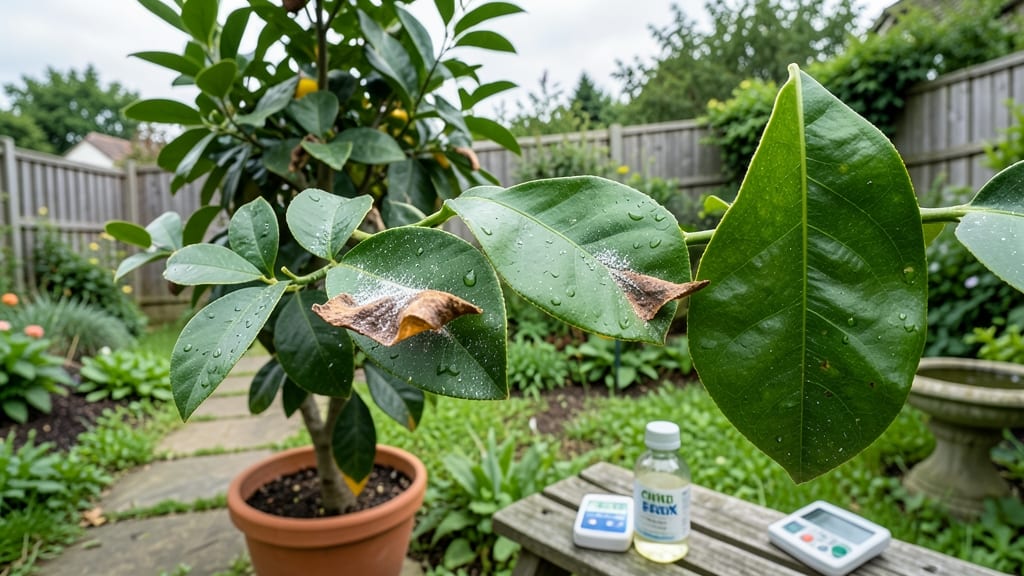
Your mandarin tree’s brown tips on the leaves scream for help—and I’ve fixed this exact problem after my first tree looked like it was suffering from a desert heatwave. 🌱 The good news? This isn’t usually a death sentence, just a signal that something’s off with water, air, or food.
Most cases fix within weeks with simple adjustments, but timing matters: act too late, and you risk losing branches.
Overwatering or underwatering are the top culprits, but don’t overlook dry indoor air or nutrient burn from too much fertilizer. My tree’s tips turned brown after I switched to tap water with high chlorine—citrus hates that.
Even pests like spider mites can start at the leaf edges and work inward. The fix isn’t one-size-fits-all, but pruning the worst tips immediately stops the spread.
By next week, you’ll see fresh green growth at the leaf bases if you adjust watering to deep soaks every 7-10 days (never soggy soil) and boost humidity with a pebble tray.
A light citrus-specific fertilizer in spring and fall keeps leaves plump, but cut back if new growth looks scorched. For severe cases, a soil test reveals hidden deficiencies like magnesium or iron.
Prevention is easier than rescue: group citrus with other plants to raise humidity, use filtered rainwater when possible, and avoid winter drafts. If brown tips keep spreading despite your efforts, consult a local citrus specialist—sometimes root issues or fungal diseases need targeted treatment.
Your tree can bounce back to that glossy, vibrant look!
Root Causes Behind Leaf Damage
When your mandarin tree’s leaves start showing brown tips, it’s often a cry for help from the plant. Understanding the why behind this issue is the first step to restoring those vibrant green leaves.
Below, we break down the most common culprits—each with a clear scientific explanation and actionable insights to address them.
Mandarin trees (like all citrus) are sensitive to soggy roots. When soil stays too wet, oxygen can’t reach the roots, leading to anaerobic conditions. This disrupts nutrient uptake, causing marginal leaf burn and brown tips. Poor drainage or overzealous watering exacerbates the problem.
Why it happens:
- Root suffocation: Excess water displaces oxygen in the soil, forcing roots to "drown" and release toxins like ethylene, which damages leaves.
- Nutrient lockout: Wet soil binds essential minerals (e.g., calcium, magnesium) in forms the plant can’t absorb, leading to deficiencies that manifest as browning.
- Fungal infections: Stagnant water invites Phytophthora or Fusarium fungi, which clog root vessels and restrict water/nutrient flow.
🔍 Actionable fix:
- Check soil moisture by sticking your finger 2–3 inches deep—water only if dry.
- Amend heavy soil with perlite or sand (20–30%) to improve aeration.
- Ensure pots have drainage holes and elevate containers to prevent water pooling.
Mandarin trees thrive in humid, warm climates (60–85°F), but sudden shifts—like dry heat, cold drafts, or salt spray—can scorch leaf edges. Brown tips here are often physical damage from transpiration exceeding the plant’s ability to absorb water.
Why it happens:
- Transpiration imbalance: Dry air increases water loss through leaf stomata, but roots can’t compensate fast enough, leading to desiccation at the edges.
- Salt buildup: Tap water or fertilizers with high chlorides/sodium accumulate in soil, creating a hypertonic environment that pulls moisture out of leaves.
- Windburn: Strong winds dry out leaf surfaces, causing cuticular damage (the waxy protective layer) and browning.
💡 Pro tips:
- Mist leaves daily in dry climates or use a pebble tray under pots to boost humidity.
- Flush soil with rainwater or distilled water every 2 months to reduce salt buildup.
- Protect trees from direct wind with a windbreak or move potted plants indoors at night if temperatures drop below 50°F.
Brown tips can signal micronutrient imbalances, particularly iron, manganese, or zinc deficiencies—or over-fertilization. Citrus trees need a balanced diet; too much or too little of certain nutrients throws the system off.
Why it happens:
| Nutrient Issue | Symptoms | Cause |
|---|---|---|
| Iron (Fe) deficiency | Yellowing between veins, then brown tips (especially in alkaline soil). | High pH (7.0+) locks out iron. Citrus prefers acidic soil (pH 6.0–7.0). |
| Zinc (Zn) deficiency | Brown, crinkled tips on new growth. | Cold soil or excess phosphorus competes with zinc uptake. |
| Excess Chloride | Brown, leathery tips with crispy edges. | Overuse of salt-based fertilizers or tap water with high chloride content. |
🌱 Fixes:
- Test soil pH—lower it with sulfur if above 7.0 for iron uptake.
- Use a citrus-specific fertilizer (e.g., 6-6-6 NPK with micronutrients) in spring/fall.
- Avoid chloride-heavy fertilizers; opt for potassium nitrate instead.
While less common, pests like spider mites or fungal diseases can cause browning by disrupting leaf physiology. These invaders pierce cells, sap nutrients, or clog stomata, leading to oxidative stress and dead tissue.
Why it happens:
- Spider mites: Tiny pests suck cell sap, causing stippling (tiny brown dots) that expand into larger brown patches.
- Citrus canker (bacterial): Xanthomonas bacteria create raised, crusty lesions with oily brown edges.
- Root rot (fungal): Phytophthora invades roots, restricting water flow and causing leaf scorch.
🛡️ Solutions:
- Spray leaves with neem oil (for mites) or copper fungicide (for canker).
- Inspect undersides of leaves for webbing (mites) or oozing sores (canker).
- Remove infected leaves and sterilize pruners with 70% alcohol.
Even well-intentioned pruning can stress a mandarin tree. Over-pruning, jagged cuts, or using dull tools can damage phloem vessels, disrupting nutrient transport and causing browning at the leaf margins.
Why it happens:
- Phloem damage: The plant’s "food pipeline" gets severed, starving leaves of sugars and hormones needed for growth.
- Pathogen entry: Rough cuts create wounds where bacteria/fungi (e.g., Botry
Fixing Brown Edges On Your Citrus Tree
Brown tips on your mandarin tree’s leaves can be frustrating, but the good news is that most causes have straightforward fixes—once you identify the root issue. Below, we’ve mapped out citrus-specific solutions for each common culprit, along with prevention tips to keep your tree thriving. 🌿💧
If your mandarin tree’s leaves are crispy and brown at the edges, it’s often a sign of root rot from sitting in soggy soil. Citrus trees hate "wet feet," so adjusting your watering habits is key.
How to Fix It:
🔥 Step 1: Check the Soil
Stick your finger 2–3 inches into the soil. If it’s damp, wait to water. Mandarin trees prefer the top inch of soil to dry out between waterings.
🍳 Step 2: Improve Drainage
If your pot lacks drainage holes, transfer your tree to a container with them. For in-ground trees, amend the soil with perlite, sand, or grit (20–30%) to loosen compacted earth.
👨🍳 Step 3: Adjust Watering
- Water deeply but infrequently—aim for 1–2 times per week (less in winter).
- Use a moisture meter or the "dry finger test" to avoid guesswork.
- Water at the base of the tree, not the leaves, to prevent fungal issues.
⏰ Step 4: Prune Damaged Leaves
Snip off brown, crispy leaves with clean pruners to redirect energy to healthy growth. Disinfect tools with rubbing alcohol to prevent spreading disease.
💡 Prevention Tips:
- Use a well-draining citrus potting mix (avoid generic garden soil).
- Add a 1-inch layer of mulch (like bark chips) to retain moisture without suffocating roots.
- In winter, reduce watering by 50%—citrus trees enter dormancy.
Brown, dry tips can also mean your tree is thirsty or suffering from salt accumulation in the soil (common in potted citrus). Since mandarin trees are drought-tolerant but not drought-proof, balance is key.
How to Fix It:
💧 Step 1: Flush the Soil
Run water through the pot for 10–15 minutes to leach out excess salts. Repeat monthly if your tree is in a container.
🥗 Step 2: Adjust Watering Frequency
Water when the top 1–2 inches of soil are dry. In hot weather, this may mean daily watering—but always check the soil first.
🌡️ Step 3: Use Filtered or Rainwater
Tap water can contain chlorine and salts. If possible, use rainwater or filtered water to reduce buildup.
💡 Prevention Tips:
- Add a citrus fertilizer with micronutrients (like iron and magnesium) to prevent deficiencies that worsen salt stress.
- Repot every 2–3 years to refresh the soil.
- Group potted citrus trees together to increase humidity around the roots.
If brown tips appear soft, mushy, or accompanied by black spots, a pathogen like anthracnose or citrus scab may be to blame. Fungal issues thrive in humid, wet conditions.
How to Fix It:
🔪 Step 1: Prune Infected Leaves
Remove and dispose of (don’t compost) all brown, spotted, or diseased leaves. Sterilize pruners with 70% isopropyl alcohol between cuts.
🌿 Step 2: Apply Fungicide
Spray leaves with a copper-based fungicide (like Copper Soap) or a neem oil solution (1 tsp neem oil + 1 quart water + a drop of dish soap). Reapply every 7–10 days until new growth appears.
🌡️ Step 3: Improve Airflow
Thin out dense foliage and space trees 4–6 feet apart to reduce humidity around leaves. Avoid overhead watering.
💡 Prevention Tips:
- Water in the early morning so leaves dry quickly.
- Use a fan on low speed near potted trees to improve air circulation.
- Choose disease-resistant citrus varieties like ‘Satsuma’ or ‘Clementine’ if fungal issues are recurrent.
Brown, papery tips can also signal winter chill injury or windburn. Mandarin trees are subtropical but can handle brief cold snaps—if conditions are too harsh, leaves crisp up.
How to Fix It:
🏡 Step 1: Protect from Cold Drafts
Move potted trees to a sheltered spot (like a garage or under eaves) if temps drop below 25°F (-4°C). Use a frost cloth for extra insulation.
🌬️ Step 2: Shield from Wind
If your tree is in a windy area, create a windbreak with a temporary fence or place it near a wall. Avoid pruning in late summer/fall, as new growth is more vulnerable to cold.
💧 Step 3: Water Deeply Before Freezes
Before a cold snap, give your tree a deep watering to help roots withstand temperature fluctuations.
💡 Prevention Tips:
- Mulch the base of the tree with 3–4 inches of straw or wood chips in winter.
- Choose a microclimate for potted trees—near a sunny wall or patio can add 5–10°F of warmth.
- In extreme climates, grow mandarin trees in containers for easy winter relocation.
Most brown-tipped leaves will recover within 2–4 weeks once the underlying issue is addressed. Monitor your tree closely, and don’t hesitate to trim back severely damaged branches—healthy new growth will fill in quickly! 🌱✨
Frequently asked questions
Why do my mandarin tree leaves only show brown tips and not full browning?
Brown tips typically appear first because leaf edges have thinner cell walls and lose moisture faster. This is often a sign of underwatering, low humidity, or salt buildup in the soil. The plant prioritizes keeping the center of leaves alive while sacrificing the edges. Check soil moisture and consider using a pebble tray to increase humidity around your plant.
Can I save my mandarin tree if most leaves have brown tips?
Yes, but act quickly! Prune off the most damaged leaves immediately to stop nutrient loss. Focus on fixing the root cause—whether it's adjusting watering habits, improving drainage, or increasing humidity. With proper care, new growth should emerge within 2-4 weeks. For severe cases, consider repotting with fresh, well-draining soil to refresh the root environment.
Is it safe to use tap water for my mandarin tree?
Tap water can cause brown tips due to chlorine and mineral buildup. Mandarin trees prefer rainwater or filtered water with low salt content. If you must use tap water, let it sit out for 24 hours to allow chlorine to evaporate, or use a water filter designed for plants. Flush the soil monthly with distilled water to prevent salt accumulation.
How do I tell if my mandarin tree needs more water or less?
Stick your finger 1-2 inches into the soil—if it's dry, water thoroughly. If it's still damp, wait 2-3 more days before checking again. Mandarin trees prefer consistent moisture but hate soggy roots. Look for other signs: Drooping leaves suggest thirst, while yellowing between veins may indicate overwatering or poor drainage.
Will fertilizing help my mandarin tree with brown tips?
Only if the issue is a nutrient deficiency! Use a citrus-specific fertilizer with micronutrients (like iron and magnesium) in spring and fall. Avoid fertilizing if your tree shows signs of overwatering or salt buildup—this can worsen the problem. Always water thoroughly after fertilizing to prevent root burn. Start with half the recommended dose to test your tree's response.