
Trees
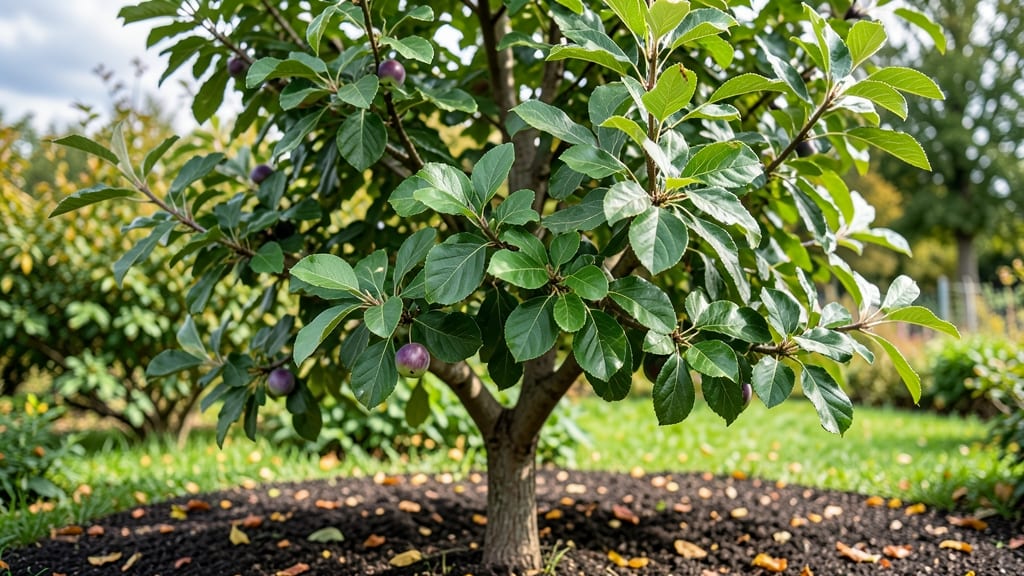
Identifying plum tree leaves starts with their oval shape, smooth edges, and distinct red-brown bark—but here's where I learned to look closer. 🌿 Many trees have similar leaves, but plums stand out with their pointed tips, slightly serrated edges, and prominent veins that fan out from the center.
Those details separate them from cherries (which have fuzzy undersides) or peaches (with more rounded leaves). The key is checking three things: leaf shape, vein pattern, and how they attach to the branch.
Plum leaves are 2-4 inches long, with a slightly asymmetrical base, and they alternate along the stem. If you see dark spots or holes, it might be a disease like brown rot or pests like aphids—common issues that change the leaf's natural look.
Once you master these traits, you'll spot plums anywhere—even in winter when their zigzag branches give them away. I've used free plant ID apps to double-check, and they work great for tricky cases. Still unsure? Bring a leaf to a local nursery or extension office for a pro's opinion.
This method works for European plums, Japanese plums, and even wild plum varieties—just remember that leaf shape can vary slightly by species. The more you practice, the easier it gets to tell plums apart from their look-alikes.
Understanding Leaf Changes
Plum tree leaves don’t just look different—they change due to a mix of environmental, biological, and seasonal factors. Each cause leaves its own fingerprint on your tree’s foliage, from subtle shifts in color to dramatic deformities.
Below, we break down the why behind the most common leaf transformations, so you can diagnose—and fix—what’s happening to your plum tree.
Plum trees are resilient, but extreme or sudden environmental shifts can push them beyond their comfort zone. These changes often trigger visible stress in the leaves, acting as a warning signal.
🔥 Heat and Drought
Plum trees thrive in moderate climates, but prolonged heatwaves or water scarcity force them into survival mode. Symptoms include:
- Wilting or curling leaves (the tree conserves moisture by reducing surface area).
- Brown or crispy edges (cells dry out and die from lack of hydration).
- Premature leaf drop (the tree sheds foliage to focus energy on roots).
Why it happens: Plum trees absorb water through their roots, but when soil moisture drops below 30-40%, roots struggle to supply leaves. High temperatures also increase transpiration (water loss through leaves), creating a vicious cycle. If the tree can’t balance water intake and output, leaves become dehydrated and damaged.
Actionable fix:
- Deep watering (1-2 inches per week, especially during dry spells).
- Mulch heavily (3-4 inches of organic mulch retains moisture and cools roots).
- Avoid midday watering (water in early morning or late evening to reduce evaporation).
❄️ Cold and Frost Damage
Late frosts or sudden cold snaps can shock plum trees, especially young or tender varieties. Symptoms include:
- Blackened or mushy leaves (cell membranes rupture from ice crystal formation).
- Brown spots or streaks (tissue death from cold-induced stress).
- Delayed bud break (flowers/leaves emerge sluggishly in spring).
Why it happens: Plum trees have chilling requirements (hours of cold below 45°F/7°C) to trigger dormancy and spring growth. However, freezing temperatures (<28°F/-2°C) can kill living cells. Frost also causes water vapor in leaves to expand into ice, physically damaging cell walls.
Actionable fix:
- Protect young trees with frost cloth or row covers before predicted frosts.
- Avoid overhead watering before freezing (wet leaves freeze faster).
- Choose cold-hardy varieties (e.g., ‘Stanley’ or ‘Methley’ plums tolerate colder climates better).
🌧️ Excess Water or Poor Drainage
While drought stresses plum trees, overwatering or soggy soil can be just as harmful. Symptoms include:
- Yellowing leaves (chlorosis) (roots suffocate, starving leaves of nutrients).
- Mushy, blackened leaves (fungal growth thrives in waterlogged conditions).
- Leaf drop (tree prioritizes root health over foliage).
Why it happens: Plum trees prefer well-draining soil (sandy loam is ideal). When roots sit in waterlogged soil:
- Oxygen deprivation (roots can’t respire, leading to root rot).
- Toxic buildup (excess salts or hydrogen sulfide from anaerobic bacteria).
- Fungal infections (e.g., Phytophthora or Pythium thrive in wet conditions).
Actionable fix:
- Test soil drainage (dig a 12-inch hole, fill with water—if it drains in <4 hours, soil is fine; if not, amend with compost or perlite).
- Raise beds if your soil is naturally clay-heavy.
- Space trees properly (3-4 feet apart to improve air circulation).
Pests and diseases don’t just nibble on leaves—they hijack the tree’s biology, altering leaf structure, color, and growth patterns.
🐜 Pest Infestations
Common culprits like aphids, mites, or sawfly larvae feed on leaf sap or tissue, triggering defensive responses. Symptoms include:
- Holes or notches (chewing insects like Japanese beetles or plum curculio).
- Sticky residue (honeydew) + sooty mold (aphids excrete honeydew, fostering black fungal growth).
- Curled or distorted leaves (mites or sawfly larvae manipulate leaf growth for shelter).
Why it happens: Pests inject saliva or toxins while feeding, disrupting the tree’s auxin hormones (which regulate growth). This causes:
- Gall formation (abnormal tissue growth around eggs/larvae).
- Premature leaf drop (tree sacrifices leaves to conserve energy).
- Weakened photosynthesis (damaged leaves can’t absorb sunlight efficiently).
Actionable fix:
- Handpick large pests (drop into soapy water).
- Apply horticultural oil (smothers soft-bodied pests like mites).
- Use neem oil or insecticidal soap (disrupts pest life cycles without harming beneficial insects).
🍄 Fungal and Bacterial Infections
Diseases like brown rot, powdery mildew, or bacterial leaf spot don’t just discolor leaves—they rewire the tree’s cellular functions. Symptoms include:
- Spots with halos (bacterial infections like Xanthomonas).
- White powdery coating (powdery mildew blocks sunlight).
- Leaves that “bleed” when torn (sign of bacterial infection).
Why it happens: Pathogens release enzymes that break down leaf cell walls, creating:
- Necrotic (dead) tissue (fungi like Monilinia produce toxins that kill cells).
- Obstructed stomata (powdery mildew clogs pores, reducing gas exchange).
- Systemic spread (bacteria move through the tree’s vascular system, like a leaf-level infection).
Actionable fix:
- Prune infected branches (sterilize tools with 70% alcohol; remove debris).
- Improve airflow (thin dense canopies to reduce humidity).
- Apply copper fungicide (prevents bacterial/fungal spores from germinating).
Plum trees are heavy feeders, and nutrient imbalances show up first in the leaves—often as color changes or stunted growth.
📊 Soil Imbalances
Leaves act as a nutrient report card, and deficiencies reveal what’s missing in the soil. Symptoms by nutrient:
| Nutrient | Leaf Symptom | Why It Happens |
|---|---|---|
| Nitrogen (N) | Pale green/yellow leaves (older first) | Nitrogen is the building block of chlorophyll; deficiency = less energy for growth. |
| Iron (Fe) | Yellow between veins (chlorosis) | Iron is immobile in plants—new leaves can’t access it if roots can’t absorb it. |
| Magnesium (Mg) | Yellow patches with green veins | Mg is central to chlorophyll; deficiency disrupts photosynthesis. |
| Potassium (K) | Brown edges or spots | K regulates water and disease resistance; deficiency = weak cell membranes. |
Why it happens:
- pH issues: Plum trees prefer slightly acidic soil (6.0-6.5). High pH locks out iron, manganese, and zinc, even if they’re present.
- Competition: Weeds or overactive microbes steal nutrients before the tree can use them.
- Poor root health: Compacted or diseased roots can’t absorb nutrients efficiently.
Actionable fix:
- Test soil (use a home kit or send to a lab for pH and micronutrient analysis).
- Amend soil with:
- Compost (for organic matter and slow-release nutrients).
- Epsom salt (for magnesium, mix 1 tbsp/gal of water).
- Iron chelate (for quick iron fixes in alkaline soil).
- Avoid over-fertilizing (too much nitrogen = soft, pest-magnet leaves).
Pro Tip: 💡 If your plum tree’s leaves are changing but the tree otherwise looks healthy, the issue is likely environmental or nutritional. If the tree is wilting, oozing sap, or dropping leaves en masse, pests or disease are probably the culprits.
Act fast—early intervention prevents long-term damage!
Revitalize Your Plum Tree’s Health
Plum tree leaves may show signs of distress, but most issues can be resolved with the right care. Below are practical, step-by-step solutions tailored to common problems—from fungal infections to nutrient deficiencies—along with prevention tips to keep your tree thriving.
Cause: Dark, irregular spots with yellow halos (likely brown rot, anthracnose, or bacterial leaf spot). Solution:
- 🔥 Prune infected branches (cut 6–12 inches below the spot) using sterilized tools (rubbing alcohol or bleach).
- 🍳 Apply fungicide (copper-based or neem oil) every 7–10 days for 3–4 weeks. For bacterial spots, use a copper fungicide (e.g., Copper Sulfate).
- 🌡️ Improve airflow by thinning dense foliage or spacing trees 10–15 feet apart.
- ✨ Prevention: Water early in the day (avoid overhead sprinkling) and mulch (2–3 inches) to reduce soil splash.
Cause: Nutrient deficiency (iron, zinc, or nitrogen) or plum pox virus (curled, puckered leaves). Solution:
- 💡 For deficiencies:
- Iron/chlorosis? Apply chelated iron (spray or soil drench) in early spring.
- Nitrogen? Use a balanced 10-10-10 fertilizer in early spring or compost tea.
- Zinc? Spray with zinc sulfate (1 tsp/gallon of water) every 2 weeks until new growth appears.
- 👨🍳 For viral infections (plum pox):
- Remove and destroy infected leaves/branches immediately (do not compost).
- 🔪 Replace the tree if heavily infected (virus spreads via aphids and pruning tools).
- ✨ Prevention:
- Test soil (pH 6.0–7.0 ideal) and amend with lime (if acidic) or sulfur (if alkaline).
- Monitor aphids (use soapy water spray or ladybugs for natural control).
Cause: Scorched, crispy edges or premature leaf drop from drought, salt spray, or strong winds. Solution:
- 🌧️ Water deeply (1–2 inches per week) but avoid soggy soil (plum trees hate "wet feet").
- 🌿 Mulch heavily (3–4 inches of wood chips or straw) to retain moisture.
- 🏖️ Protect from wind: Plant a windbreak (e.g., evergreen hedge) or stake young trees.
- ✨ Prevention:
- Avoid late-season watering (can encourage fungal growth).
- Use drip irrigation to deliver water at the roots.
Cause: Sticky residue (honeydew), webbed leaves, or sawdust-like frass (borer tunnels). Solution:
- 🍳 For aphids/mites:
- Spray with neem oil or insecticidal soap (repeat every 5–7 days).
- Introduce beneficial insects (ladybugs, lacewings).
- 🔪 For borers (tunnels in bark):
- Inject systemic insecticide (e.g., Imidacloprid) into the trunk.
- Prune and burn heavily infested branches.
- ✨ Prevention:
- Keep grass short around the tree (reduces hiding spots for pests).
- Inspect trees in spring for early signs of eggs/larvae.
To keep plum leaves lush and healthy, follow this quick maintenance plan:
| Task | When to Do It | How to Do It |
|---|---|---|
| Prune dead/diseased branches | Late winter/early spring | Use clean, sharp shears; seal cuts with pruning paint (optional). |
| Fertilize | Early spring & fall | Balanced fertilizer (10-10-10) + compost. |
| Mulch | Spring & fall | 3–4 inches of organic mulch (keep away from trunk). |
| Water deeply | Weekly (1–2 inches) | Slow, deep watering (avoid runoff). |
| Monitor pests/disease | Weekly in growing season | Inspect undersides of leaves and bark. |
💡 Pro Tip: When in doubt, compare your leaves to a healthy plum tree reference (e.g., Stanley or Santa Rosa varieties have glossy, oval leaves). If symptoms persist, consult a local arborist—some issues (like fire blight) require aggressive treatment.
By acting fast and tailoring care to the problem, your plum tree can bounce back with vibrant, disease-free foliage in no time! 🌿✨
Frequently asked questions
How do plum tree leaves differ from cherry or peach leaves?
Plum leaves are oval with pointed tips and smooth, slightly serrated edges, while cherry leaves have fuzzy undersides and peach leaves are more rounded. Plum leaves also have prominent veins that fan out from the center, unlike the more parallel veins in peach leaves.
What do healthy plum tree leaves look like?
Healthy plum leaves are 2-4 inches long, dark green and glossy on top with a slightly lighter underside. They grow alternately along the branch and have a slightly asymmetrical base. Young leaves may have a slight reddish tint before turning fully green.
Why are my plum tree leaves turning yellow?
Yellowing leaves often indicate nutrient deficiencies (like iron or nitrogen) or overwatering. Check for chlorosis (yellow between veins) for iron deficiency, or uniform yellowing for nitrogen. Poor drainage or compacted soil can also cause yellow leaves by suffocating roots.
Can I use a plant identification app to confirm plum leaves?
Yes! Apps like PictureThis, PlantNet, or Google Lens work well for plum leaves. Take clear photos of the leaf shape, veins, and bark (plum trees have distinctive red-brown bark) for best results. For tricky cases, compare with a healthy reference leaf from a known plum variety.
What should I do if my plum tree leaves have holes?
Holes in plum leaves usually mean insect damage from pests like Japanese beetles, sawfly larvae, or plum curculio. Remove heavily infested leaves, apply neem oil, or use insecticidal soap. For severe cases, consider beneficial insects like ladybugs or lacewings to control the population naturally.