
How To
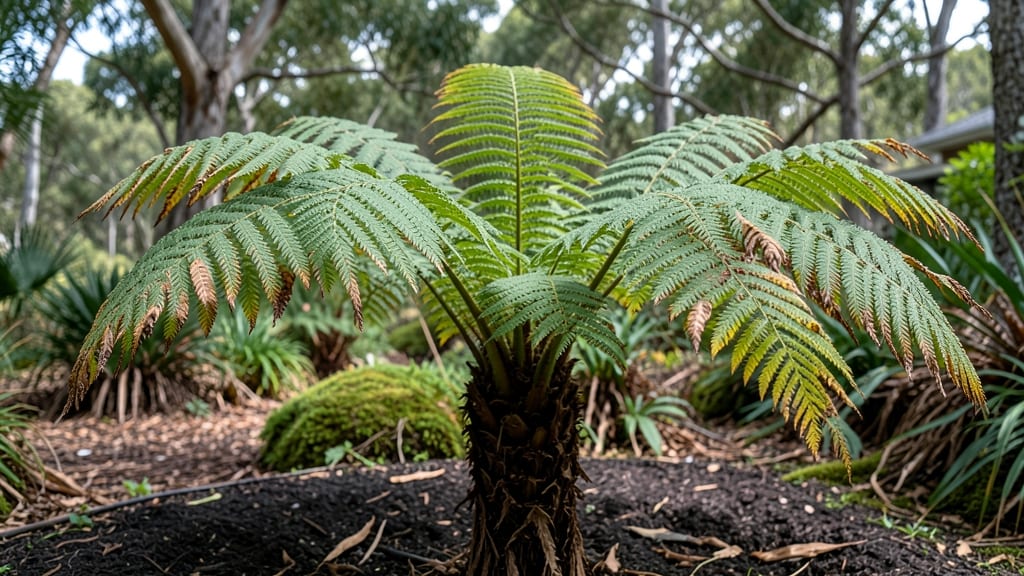
Those crispy brown tips on your Tasmanian tree fern aren't a death sentence—just a cry for help. ✨ I've nursed back more than a few of these ancient-looking plants by focusing on two things: humidity and pruning. The key is understanding what's stressing your fern before you start fixing it.
Most brown tips appear because the air around your fern is too dry, especially in winter when indoor heating sucks moisture from the air. Overwatering can also cause those unsightly tips by drowning the roots, while nutrient deficiencies or pests often show up as yellowing or spots first.
The good news? Each issue has a simple solution once you know what to look for.
You'll see new growth within weeks of adjusting care—lush, green fronds that make your fern look like it belongs in a tropical greenhouse. The trick is a consistent routine: misting daily, pruning damaged fronds cleanly, and checking soil moisture before watering.
It's a small effort for a plant that can live for decades with proper care.
Works for both indoor and outdoor ferns, though outdoor plants need extra protection from winter winds. Here's how to diagnose and fix it for good—no more sad, crunchy tips ruining your plant's majestic look.
Root Causes of Fern Tip Damage
When your Tasmanian tree fern (Dicksonia antarctica) develops unsightly brown tips, it’s often a cry for help from the plant itself. Understanding the specific triggers behind this issue is the first step to restoring its health.
Below, we break down the most common culprits—each with a clear scientific explanation and actionable insights to address them.
Brown tips on ferns are frequently tied to water-related imbalances, whether from overwatering or underwatering. Tasmanian tree ferns thrive in consistently moist but well-draining soil. Here’s why water stress occurs:
- Underwatering:
Ferns absorb moisture through their fronds and rhizomes. When soil dries out, the tips transpire (lose water) faster than the roots can replenish it, leading to desiccation and browning. This is especially common in low-humidity environments or during hot, dry spells.
- Overwatering:
While ferns love moisture, waterlogged soil cuts off oxygen to the roots, causing root rot (Phytophthora or Pythium fungi). The plant then translocates nutrients away from the frond tips, leaving them brown and crispy.
- Hard Water Buildup:
If your tap water is high in calcium and magnesium, minerals can accumulate on the frond tips, blocking stomata (pores) and preventing gas exchange. This leads to oxidative stress and browning.
💡 Pro Tip: Test your soil’s moisture by sticking your finger 2–3 inches deep. If it’s dry, water thoroughly; if it’s soggy, hold off until the top inch feels damp. For hard water, use rainwater or distilled water to flush the soil.
Tasmanian tree ferns are native to temperate rainforests, where conditions are stable and humid. When exposed to temperature swings or low humidity, their delicate fronds suffer:
- Cold Drafts:
Ferns are sensitive to sudden cold (below 40°F/4°C). Drafts from windows, AC vents, or winter winds can cause cold stress, leading to brown, brittle tips. The damage often starts at the edges and progresses inward.
- Heat Stress:
Direct sunlight or indoor heat (e.g., near radiators) increases transpiration rates faster than roots can compensate. The frond tips lose turgor pressure (become flaccid) and dry out, turning brown.
- Low Humidity:
Ferns require 60–80% humidity to thrive. In dry air (common indoors in winter or with central heating), the tips lose moisture rapidly, leading to necrosis (cell death). This is why brown tips often appear in winter months or near heaters.
🌡️ Actionable Fix:
- Move the fern away from drafts, vents, or direct sunlight.
- Use a humidifier or place a tray of water with pebbles nearby to increase humidity.
- Mist the fronds lightly in the morning (avoid evening misting to prevent fungal growth).
Brown tips can also signal an infectious disease, often triggered by poor growing conditions. The most common offenders include:
| Pathogen | Symptoms | Cause |
|---|---|---|
| Phytophthora (Root Rot) | Brown, mushy tips; yellowing fronds; foul-smelling soil. | Overwatering or poor drainage creates anaerobic conditions, inviting this water mold. |
| Botrytis cinerea (Gray Mold) | Brown, velvety tips with gray fuzz; often starts at the edges. | High humidity + poor air circulation + wet foliage (e.g., from misting at night). |
| Bacterial Leaf Spot | Small, water-soaked brown spots that expand and dry out. | Bacteria (Xanthomonas spp.) spread via splashing water or contaminated tools. |
🔥 Treatment Steps:
- For root rot: Repot in fresh, well-draining soil and trim affected roots with sterilized scissors.
- For fungal infections: Remove brown tips below the damage (1/4 inch clear of discoloration) and spray with neem oil or copper fungicide.
- Prevent recurrence by sterilizing tools with rubbing alcohol and avoiding overhead watering.
Improper fertilization or exposure to harsh chemicals can also cause brown tips. Here’s how it happens:
- Fertilizer Burn:
Over-fertilizing—especially with high-salt or synthetic fertilizers—disrupts the soil’s osmotic balance. Roots struggle to absorb water, leading to desiccation of the frond tips. Symptoms include crispy, white-tipped browning.
- Nutrient Deficiencies:
- Magnesium Deficiency: Causes interveinal chlorosis (yellowing between veins) followed by brown tips. Magnesium is crucial for chlorophyll production.
- Potassium Deficiency: Leads to weak cell walls, making tips prone to browning and dieback.
- Chemical Exposure:
Residual household cleaners, pesticides, or fluoride in tap water can cause oxidative damage to frond tissues, leading to brown, brittle tips.
✨ Solution:
- Flush the soil with distilled or rainwater to leach out excess salts.
- Use a balanced, organic fertilizer (e.g., fish emulsion or worm castings) diluted to half-strength.
- For magnesium deficiency, apply Epsom salt (1 tbsp per gallon of water) every 4–6 weeks.
By identifying the specific cause of your Tasmanian tree fern’s brown tips, you can target the issue directly. Most problems stem from water, humidity, or environmental mismanagement—all of which are reversible with the right adjustments! 🌿
Fixing Fern Fronds Naturally
Brown tips on your Tasmanian tree fern (Dicksonia antarctica) don’t have to be permanent—with the right care, you can restore its lush, vibrant appearance. The key is identifying the root cause (like low humidity, overwatering, or nutrient deficiencies) and applying targeted fixes.
Below, we break down practical solutions for each common issue, plus prevention tips to keep your fern thriving long-term.
Tasmanian tree ferns love humidity—when air is too dry, frond tips turn brown and brittle like parchment.
How to Fix It:
- 💦 Increase Humidity Immediately Place a pebble tray under the pot (fill a shallow tray with water and smooth pebbles, then set the pot on top). Alternatively, use a humidifier near the fern or group it with other plants to create a microclimate. Pro Tip: 🌡️ Mist the fronds lightly 2–3 times a week, but avoid soggy centers—this can invite fungus.
- 🏡 Adjust Your Home’s Environment Move the fern to a bathroom (steamy showers = natural humidity boost) or a kitchen (near the sink). If outdoors, place it under dappled shade or near a water feature.
- 🌿 Use a Fern-Specific Fertilizer Brown tips can signal nutrient stress. Switch to a balanced liquid fertilizer (like 10-10-10) diluted to half-strength, applied every 4–6 weeks in spring/summer. Avoid high-salt fertilizers, which burn roots.
Yellowing or mushy brown tips often mean root rot—a silent killer for ferns. Overwatering suffocates roots, cutting off nutrients.
How to Fix It:
- 👨🍳 Check the Soil First Stick your finger 2 inches deep into the soil. If it’s damp, wait to water. Tasmanian tree ferns prefer soil that’s moist but not soggy. Water only when the top 1–2 inches are dry.
- 🔧 Improve Drainage If your pot lacks drainage holes, repot immediately into a container with holes. Mix 50% peat moss or coconut coir with 50% perlite or orchid bark for airflow. Avoid compacted or clay-heavy soils.
- 🌧️ Let It Dry Between Waterings During winter, reduce watering to once every 10–14 days. Overwatering in cool months accelerates rot.
Brown tips won’t reverse, but pruning keeps the fern looking sharp and redirects energy to healthy growth.
How to Prune Correctly:
- 🔪 Use Clean, Sharp Tools Sterilize pruning shears with rubbing alcohol to prevent disease. Cut just above a node (the bump where leaves emerge) to encourage new growth.
- 🌿 Remove Only the Brown Tips If only the tip of a frond is brown, trim it back to green tissue. For entirely brown fronds, snip at the base. Never prune more than 1/3 of the plant at once.
- 🌱 Compost or Discard Prunings Healthy-looking brown tips (not moldy) can go in compost. Black or slimy tips should be trash only—they may harbor pathogens.
Once your fern recovers, proactive care keeps it lush:
- 💡 Lighting Matters Too much direct sun (especially afternoon rays) causes tip burn. Ideal light: bright, indirect (like a north-facing window or filtered sunlight).
- 🌡️ Temperature Control Keep temps between 60–75°F (15–24°C). Avoid drafts (AC vents, heaters) and sudden temperature swings.
- 🌱 Rotate the Pot Every few months, turn the pot ¼ turn so all fronds get even light exposure, preventing one-sided browning.
- 🍃 Monitor for Pests Spider mites or scale can stress ferns, leading to brown tips. Wipe fronds with a damp cloth weekly and treat infestations with neem oil or insecticidal soap.
Final Thought: With these fixes, your Tasmanian tree fern should bounce back within 4–8 weeks. Stay consistent with humidity, soil checks, and gentle pruning—your fern will reward you with bold, green fronds for years! 🌿✨
Frequently asked questions
Why do Tasmanian tree fern tips turn brown in winter?
Winter air is typically drier due to indoor heating, causing 60–80% humidity levels to drop below what ferns need. The frond tips lose moisture faster than roots can supply it, leading to necrosis. Place the fern on a pebble tray or use a humidifier near it to restore moisture levels.
Can I save a fern with completely brown fronds?
Yes! Prune away all brown fronds below healthy green tissue (about ¼ inch clearance) to redirect energy to new growth. The plant will regenerate as long as the rhizome (base) remains firm and green. Avoid fertilizing until you see fresh fronds emerging.
How often should I water my Tasmanian tree fern?
Water when the top 1–2 inches of soil feel dry—usually once every 5–7 days in summer and every 10–14 days in winter. Overwatering is more dangerous than underwatering; always check for dampness before watering. Use rainwater or distilled water if your tap water is hard.
What’s the difference between brown tips from pests vs. environmental stress?
Pest damage (like spider mites) often shows as stippled or webbing-covered brown tips, while environmental stress causes uniform, crispy browning along edges. Check undersides of fronds for tiny webs or bugs. Treat pests with neem oil; adjust humidity/light for environmental issues.
Is it safe to use Epsom salt for brown tips?
Yes, but only if the issue is a magnesium deficiency (yellowing between veins). Mix 1 tablespoon Epsom salt per 1 gallon of water and apply monthly in spring/summer. Avoid overuse—excess magnesium can harm roots. Test soil first if unsure.