
Trees
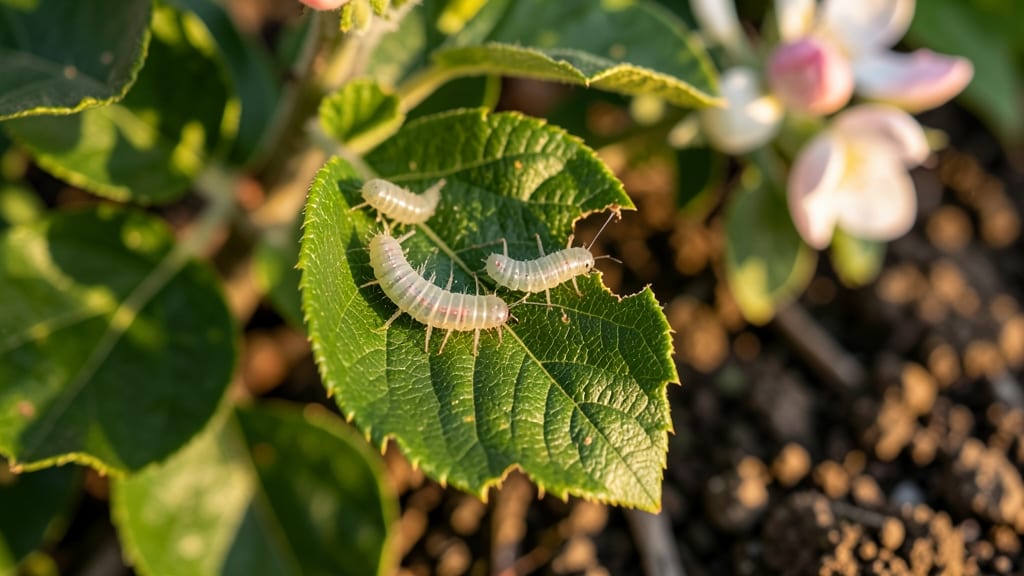
Your apple tree’s leaves shouldn’t look like Swiss cheese—bugs eating apple tree leaves is a common problem, but it’s fixable without harsh chemicals. ✨ I’ve battled everything from skeletonizing caterpillars to sap-sucking aphids, and these organic methods work every time without harming bees or your family.
The key is acting fast: most pests target young, tender leaves, so the sooner you spot the damage, the easier it is to stop. Start by identifying the culprit—aphids leave sticky residue, tent caterpillars create silky webs, and spider mites cause stippling.
Once you know what you’re dealing with, you can choose the right organic solution. With the right approach, your tree can bounce back in weeks, producing healthier foliage and stronger fruit next season. The best part? These methods prevent future infestations while keeping your orchard thriving naturally.
Whether you’re dealing with a small patch of damage or a full-blown invasion, this guide gives you the tools to save your tree—without the chemicals. Let’s get started!
Root Causes Behind Leaf Munching
Apple trees are a garden’s crown jewel—until hungry pests arrive and turn their leaves into a buffet. But why do these critters suddenly see your tree as an all-you-can-eat salad bar? The answer lies in a mix of natural triggers, environmental cues, and the tree’s own vulnerabilities.
Understanding these root causes helps you outsmart the invaders before they strip your tree bare. Let’s break down the science behind the snacking.
Pests don’t raid your apple tree on a whim—they follow the calendar. Many insects, like apple aphids or leafrollers, time their life cycles to coincide with new leaf growth in spring.
Warmer temperatures and longer daylight hours signal these bugs to reproduce rapidly, turning your tree into a nursery for their offspring. Coddling moths, for example, lay eggs in late spring when leaves are tender and nutrient-rich, ensuring their larvae have a ready-made feast.
💡 Pro Tip: Monitor your tree in April–June (Northern Hemisphere) when aphid populations explode. Yellow sticky traps placed near the tree can catch early warnings of infestations.
A healthy apple tree is less appealing to pests, but stress makes it a magnet. Drought, poor soil, or improper pruning weaken the tree’s defenses, causing it to release volatile organic compounds (VOCs) that attract insects.
For instance, spider mites thrive on stressed trees because their tiny mouths can’t pierce thick, healthy leaves—only the thinner, drought-damaged ones.
🌡️ Key Stressors:
- Water issues: Overwatering (root rot) or underwatering (wilting leaves) both send distress signals.
- Nutrient deficiencies: Lack of nitrogen or magnesium makes leaves less tough, inviting Japanese beetles to dine.
- Physical damage: Broken branches or sunburnt bark create entry points for pests like borers.
✨ Fix It: Test your soil (pH 6.0–7.0 is ideal for apple trees) and mulch to retain moisture. A balanced organic fertilizer (like compost or fish emulsion) can restore vigor.
Pests don’t act alone—they’re part of a food web. When natural predators (like ladybugs or parasitic wasps) are scarce, insect populations skyrocket. This often happens in monoculture orchards or suburban yards where diverse plantings are lacking.
For example, gypsy moths devastate apple trees when their usual predators (birds, fungi) are outcompeted by pesticides or habitat loss.
📊 Actionable Balance:
Problem
Solution
Few native predators
Plant companion plants like dill (attracts ladybugs) or yarrow (hosts parasitic wasps).
Pesticide overuse
Switch to neem oil or kaolin clay to disrupt insect life cycles without harming beneficial bugs.
🔥 Warning: Avoid broad-spectrum sprays—they wipe out both pests and their natural enemies, creating a vacuum that pests rush to fill.
Not all apple tree leaves are created equal. Young, succulent leaves are packed with sugars and amino acids, making them a gourmet meal for leafhoppers and tent caterpillars. Older leaves, tougher and less nutritious, are often ignored—unless the tree is already stressed (see above).
Some pests, like the obliquebanded leafroller, even prefer leaves with specific chemical profiles, such as high soluble sugar content.
🎯 Targeted Defense:
- Remove new growth tips (where pests lay eggs) in early spring to deny them their favorite snack.
- Use horticultural oil in dormant season to smother overwintering eggs before leaves emerge.
💡 Fun Fact: Some apple varieties (like Granny Smith) are naturally more resistant to pests due to thicker wax coatings on leaves—consider grafting resilient cultivars if pests are chronic.
Quick Fixes for Leaf-Munching Pests
When bugs start feasting on your apple tree’s leaves, quick action can save your tree—and your harvest. The good news? You don’t need harsh chemicals to turn the tide. Below are targeted, organic solutions tailored to the most common culprits, from aphids to tent caterpillars.
Each fix is designed to be practical, effective, and easy to implement, whether you’re a seasoned gardener or just starting out.
These tiny green or black invaders cluster on new growth, sucking sap and leaving sticky honeydew behind. Here’s how to evict them:
🔥 Spray with Soapy Water (Best for Small Infestations)
Mix 1 tablespoon of mild liquid soap (like Castile soap) with 1 quart of water in a spray bottle. On a calm day, thoroughly coat the undersides of leaves (where aphids hide) until dripping. Repeat every 3–5 days until they’re gone.
🍳 Neem Oil Spray (Knocks Them Out Fast)
Neem oil disrupts aphids’ life cycle and repels them. Mix 1 teaspoon of neem oil with 1 teaspoon of mild soap and 1 quart of water. Spray early in the morning or late evening to avoid harming bees. Reapply after rain.
👨🍳 Introduce Beneficial Insects (Long-Term Defense)
Ladybugs, lacewings, and parasitic wasps love aphids. Buy them online or attract them naturally with:
- 🌼 Dill, fennel, or yarrow planted nearby (their favorite flowers)
- 💧 A shallow dish of water with pebbles (to keep them hydrated)
- 🌙 Avoid pesticides—they’ll kill the good guys too!
💡 Prevention Tip:
Prune your tree in late winter to remove dense branches where aphids love to hide. Healthy trees resist pests better!
These fuzzy caterpillars spin silky webs and defoliate trees in weeks. Act fast to stop their damage:
🔪 Handpick & Destroy (Best for Small Trees)
Wear gloves and pluck off webs and caterpillars by hand, then drop them into soapy water to drown. Check every 2–3 days—they multiply quickly!
🥘 Bacillus thuringiensis (Bt) Spray (Safe & Effective)
This organic bacteria only targets caterpillars and won’t harm bees or birds. Mix 1 tablespoon of Bt powder with 1 quart of water and spray directly on webs and leaves. Reapply after rain or every 7–10 days.
🌡️ Disrupt Their Habitat (Physical Barrier)
Wrap the trunk with tree bands (available at garden centers) to trap caterpillars as they crawl down. Check and remove them daily until the infestation ends.
✨ Prevention Tip:
Remove last year’s egg masses (they look like tiny black dots on branches) in late winter before they hatch. One egg mass can hatch into thousands of caterpillars!
These pests burrow into fruit or wood, causing long-term damage. Early detection is key:
🍎 Traps & Lures (Catch Them Early)
Hang red sphere traps (baited with apple cider vinegar) near the tree to catch adult flies. Replace every 2 weeks.
🔪 Prune & Burn Infested Branches (Prevent Spread)
If you spot sawdust-like frass (borer poop) or exit holes, cut the branch 6 inches below the damage and burn or bag it (don’t compost!). Seal the cut with pruning paint to prevent reinfestation.
🌡️ Beneficial Nematodes (For Soil-Dwelling Larvae)
These microscopic worms hunt and kill borer larvae in the soil. Apply Phasmarhabditis hermaphrodita (a type of nematode) in early spring or fall when soil is moist. Water the tree base deeply afterward.
💡 Prevention Tip:
Keep your tree well-watered and mulched—stressed trees attract borers. Also, remove fallen fruit from the ground to eliminate breeding sites.
Once you’ve tackled the current infestation, these habits will help prevent future attacks:
- 📊 Monitor regularly: Check leaves and fruit weekly during growing season.
- 💪 Boost tree health: Fertilize with compost or organic matter in early spring.
- 🍎 Thin fruit: Overloaded branches attract more pests—remove excess fruit in late spring.
- 🌡️ Encourage biodiversity: Plant companion plants like garlic, chives, or marigolds near your tree.
With these strategies, your apple tree will bounce back stronger—and you’ll enjoy plump, pest-free fruit next season! 🍏✨
Frequently asked questions
What do skeletonized apple leaves look like, and which bugs cause it?
Skeletonized leaves have only the leaf veins remaining, with all soft tissue eaten away. This damage is typically caused by tent caterpillars or leafrollers. Check for silky webs (tent caterpillars) or rolled-up leaves (leafrollers) to confirm the culprit. These pests strip leaves quickly, so act within 3-5 days to prevent defoliation.
Will bugs eating my apple tree leaves kill the tree?
Not necessarily—most apple trees can survive moderate leaf damage, but severe defoliation weakens the tree and reduces fruit production. If pests strip 50%+ of leaves, the tree may struggle to photosynthesize enough for next year’s harvest. Focus on young trees or stressed specimens, as they’re most vulnerable to long-term damage.
Can I use coffee grounds to repel leaf-eating bugs?
Yes! Coffee grounds create an unpleasant environment for many pests like slugs and aphids when sprinkled around the tree base. However, they won’t stop chewing insects like caterpillars. For best results, mix ½ cup of grounds with 1 gallon of water, strain, and spray on leaves as a mild deterrent. Reapply after rain.
How do I know if my apple tree is stressed enough to attract more pests?
Stressed trees show yellowing leaves, wilting branches, or thin canopies. Check for these signs: dry soil (underwatering), mushy roots (overwatering), or poor soil drainage. Healthy trees have dark green leaves, firm bark, and steady growth. Fix issues by improving watering, mulching, and fertilizing with compost.
Are there any organic sprays that work on all types of leaf-eating bugs?
No single spray works for all pests, but neem oil and kaolin clay are broad-spectrum options that disrupt feeding habits. For chewing insects (caterpillars), use Bacillus thuringiensis (Bt). For sap-suckers (aphids, mites), try soapy water or garlic spray. Always test sprays on a small area first to avoid leaf burn.