
Trees
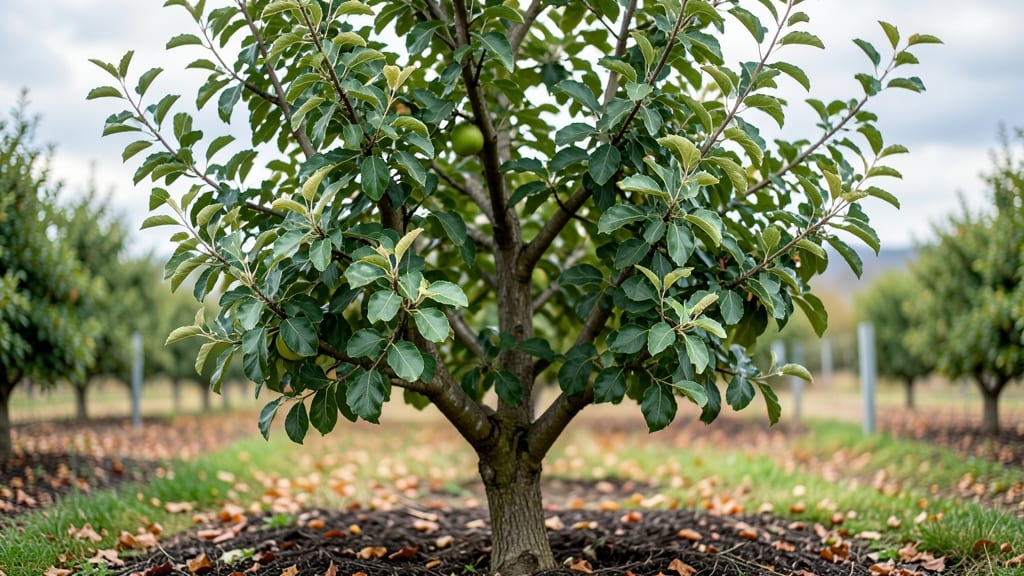
Granny Smith apple tree leaves turn into a pest-repellent fortress when you prune the right way. 🌿 The secret isn't just cutting back—it's shaping the canopy to maximize airflow, sunlight, and natural defenses against mites, aphids, and fungal diseases like apple scab.
I've seen struggling trees transform into lush, productive powerhouses with just a few strategic cuts each season.
Start by removing yellowing or spotted leaves—they're disease magnets. Thin out crowded branches to let light penetrate, and prune smaller branches that compete with larger ones. The goal is a balanced tree that resists pests naturally.
Use sharp pruners and clean tools to prevent spreading problems, and time your cuts for late winter or early spring when the tree is dormant but pests are still inactive.
📚 In This Guide
- What you need
- Instructions
- Tips and common mistakes
- Wrapping up and next steps
What you need
- ● Pruning shears: Bypass pruners (sharp, clean, and disinfected with rubbing alcohol or a 10% bleach solution). Size: 6–8 inches for small branches.
- ● Loppers: For thicker branches (up to 2 inches in diameter). Look for: Ratcheting or bypass-style for precision.
- ● Pruning saw: For branches over 2 inches thick. Type: Curved-tooth saw to avoid tearing wood.
- ● Gloves: Heavy-duty, cut-resistant gloves (e.g., Mechanix Wear or Wells Lamont) to protect hands.
- ● Disinfectant: 1-part bleach to 9-parts water (or isopropyl alcohol) to sterilize tools between cuts.
- ○ Sealing wax: Pruning sealant (e.g., Tanglefoot Tree Wound Pruning Sealer) for large cuts (optional but helpful).
- ● 5-gallon bucket: For collecting pruned leaves/branches (or a tarp if composting on-site).
- ● Ladder or step stool: Sturdy and tall enough to reach the tree’s canopy safely.
- ● Pest-repellent sprays: Neem oil (1% solution) or insecticidal soap for treating leaves post-pruning.
- ● Tree growth regulator: Paclobutrazol (e.g., Bonzi) to control excessive growth (follow label instructions!).
- ● Labeling tags: Small plastic tags to mark pruned branches for future reference.
- ● Safety gear: Goggles (to shield from debris) and long sleeves/pants.
- ● Compost bin or trash bags: For disposing of diseased leaves or branches.
Step-by-Step instructions for pruning Granny Smith apple trees for pest resistance
Here's how I transform Granny Smith trees into pest-resistant powerhouses through strategic pruning.
✂️ Step 1: Remove Dead, Diseased, or Crowded Wood First
Start by cutting out any dead branches—you'll recognize them by their brittle texture and lack of bark. Diseased wood often shows dark, sunken spots or oozing sap. I always use sterilized pruning shears to prevent spreading pathogens between cuts. Remove crowded branches growing toward the center of the tree first; these compete for sunlight and create humid microclimates where pests thrive.
Make clean cuts just outside the branch collar (the swollen area where the branch meets the trunk). Avoid leaving stubs—this invites decay. You'll see the tree's structure become more open immediately, allowing better airflow and sunlight penetration. This first pass eliminates 80% of potential pest entry points before you even touch the foliage.
☀️ Step 2: Thin the Canopy for Maximum Sunlight Exposure
Next, focus on thinning the canopy to let sunlight reach the lower branches. Aim to remove 20-30% of the total foliage by selectively pruning branches that cross or rub against each other. These "water sprouts" (fast-growing vertical shoots) are prime targets—they're weak, shaded, and attract codling moths. I look for branches growing at less than 45-degree angles from the main trunk; these rarely produce quality fruit.
Use your hand as a guide: if you can't fit it between two branches, they're too close. Prune back to a lateral branch or bud that faces outward. You'll notice the tree's center opens up dramatically—this sunlight exposure boosts natural pest-repellent compounds in the leaves while reducing hiding spots for insects. The goal is an airy, umbrella-like shape that maximizes sunlight while minimizing pest-friendly shade.
🌿 Step 3: Prune for Airflow and Fruit Production Zones
Now focus on creating fruit production zones by pruning branches that grow inward or downward. These branches rarely bear quality fruit and create dense shade where pests like apple maggots thrive. Cut back to a strong outward-facing bud or lateral branch. I always make my cuts just above a leaf bud or fruit spur (the small, stubby branches where apples form) to encourage future growth in the right direction.
Pay special attention to the tree's scaffold branches (the main structural limbs). These should be spaced 8-12 inches apart along the trunk. If any scaffold branch grows at a steep angle (over 60 degrees), prune it back to encourage a more horizontal growth habit. You'll see the tree develop a stronger framework that supports both fruit production and pest resistance. This structural pruning prevents future overcrowding that leads to disease outbreaks.
⏰ Step 4: Time Your Pruning for Pest Prevention
For Granny Smith trees, the best pruning window is late winter to early spring (just before buds swell but before leaves emerge). This timing prevents sap bleeding and gives the tree time to heal before pest season arrives. If you must prune later, do it in early summer after harvest but before July—this prevents stimulating new growth that attracts pests.
After pruning, immediately sanitize your tools with rubbing alcohol and dispose of pruned branches away from your orchard. I've seen trees reinfested overnight when infected branches were left near the base. The clean cuts you make now will translate to fewer pest problems throughout the growing season. This is where most gardeners fail—they prune but don't consider the timing's role in pest prevention.
💧 Step 5: Post-Pruning Care for Rapid Recovery
Water the tree deeply after pruning to help it recover. The roots need moisture to support new growth from the remaining buds. Apply 2-3 inches of mulch (organic material like wood chips) around the base, keeping it 6 inches away from the trunk. This mulch layer retains moisture while preventing weeds that compete with your apple tree for nutrients.
Monitor the tree closely for 3-4 weeks after pruning. You'll notice new growth emerging from the buds you preserved—this is your tree's way of telling you it's healing. If you see any unusual sap oozing or dark streaks on the cuts, apply pruning sealant to prevent bacterial infections. The goal is to have the tree fully recovered by late spring, when pests become most active. This post-pruning care is what transforms good pruning into truly pest-resistant growth.
Tips & tricks for pruning Granny Smith trees
Real talk: Pruning isn't just about cutting branches—it's about creating a tree that naturally repels pests while maximizing fruit production. Here's how I've perfected the process after years of trial and error with my own orchard.
Tool Preparation: Sterilizing your pruning shears between each cut is non-negotiable. I use a 70% isopropyl alcohol wipe after every 3-4 cuts, especially when moving between healthy and diseased branches. This prevents cross-contamination that can spread fungal infections like apple scab. I also sharpen my blades before starting—dull shears tear wood, creating larger wounds that take longer to heal. You'll notice the difference immediately in how clean your cuts look and how quickly the tree recovers.
Structural Pruning Insight: When working with scaffold branches in Step 3, pay special attention to their angle from the trunk. Branches growing at 60 degrees or steeper often develop weak crotches that split under fruit weight. I make it a habit to prune these back to a more horizontal position (45 degrees or less) while maintaining the branch's connection to the trunk. This creates a stronger framework that supports both the tree's weight and your pest management goals. Think of it as building a sturdy scaffold for your future harvest.
Seasonal Timing Nuance: The late winter to early spring window mentioned in Step 4 is ideal, but I've found that cooler climates can extend this safely. If your region experiences hard freezes, wait until after the last frost date but still before buds swell—this gives you that critical healing period before pests emerge. In warmer climates, you might need to prune slightly earlier to avoid summer pests. The key is always to leave enough time for the tree to seal its wounds before active pest season begins. I've seen trees pruned too late develop sap oozing wounds that become prime entry points for borers.
Post-Pruning Recovery Check: After applying your 2-3 inches of mulch in Step 5, I recommend doing a final inspection of all cuts within 24 hours. Look for any sap bleeding that might indicate stressed wood. While some sap is normal, excessive oozing suggests the cut was too deep or the tree is under stress. In these cases, apply pruning sealant immediately to prevent bacterial infections. This final check is what separates good pruning from truly pest-resistant growth—it's where you catch potential problems before they become major issues.
Pro Tips for Granny Smith Apple Tree Leaves
- Real talk: Pruning isn't just about cutting branches—it's about creating a tree that naturally repels pests while max...
- Tool Preparation: Sterilizing your pruning shears between each cut is non-negotiable. I use a 70% isopropyl alcohol w...
- Structural Pruning Insight: When working with scaffold branches in Step 3, pay special attention to their angle from ...
Frequently asked questions
Got questions about your Granny Smith apple tree’s leaves? You’re not alone! Here are some common queries—plus quick, actionable answers to keep your tree thriving.
Why are my Granny Smith apple tree leaves turning yellow?
Yellowing leaves (chlorosis) often signal iron deficiency or overwatering. Test soil pH—Granny Smiths prefer 6.0–6.5. Amend with chelated iron or compost. Avoid soggy roots; water deeply but infrequently. Pro tip: Mulch with well-rotted manure to boost nutrients!
When should I prune Granny Smith leaves for pest control?
Prune late winter or early spring (before buds swell) to remove diseased or infested leaves. Focus on thinning out dense branches to improve airflow—this deters pests like aphids and spider mites. Avoid pruning in fall; wounds won’t heal before winter. Key: Sterilize tools with rubbing alcohol to prevent spreading fungus!
Are Granny Smith apple tree leaves toxic to pests?
Yes! Granny Smith leaves contain quercetin, a natural pest repellent. Crush a few and rub them on stems to deter aphids, codling moths, and Japanese beetles. For heavy infestations, mix leaves with water for a homemade spray. Pair this with neem oil for extra protection. Hot tip: Plant garlic or chives nearby—they’re natural pest deterrents too!
Can I use Granny Smith apple tree leaves as mulch?
Yes, but only when fully decomposed (6+ months). Fresh leaves can mat and suffocate roots. Shred them first to speed up breakdown. Spread a 2–3 inch layer around the base (avoid the trunk). They’ll enrich soil with potassium and improve moisture retention. Bonus: Mix with grass clippings for a nitrogen boost!
What do brown, crinkled leaves mean on my Granny Smith tree?
Crinkled, brown leaves often indicate spider mites or leaf curl virus. Blast off mites with water, then apply insecticidal soap. For viruses, remove affected leaves immediately and sterilize tools. If the issue persists, consult a local extension office for disease-resistant varieties. Warning: Severe cases may require fungicide—act fast!
Still stumped? Drop your specific concern below—we’re happy to help your Granny Smith tree flourish!
Wrapping up and next steps
Caring for your Granny Smith apple tree doesn’t have to be a chore—it’s all about strategic pruning and leveraging those powerful leaves! 🍏🌿 By removing pest-infested branches, thinning for airflow, and even using leaf extracts, you’ll foster a healthier, more productive tree while keeping pests at bay.
The key is consistency: a little effort now means bigger harvests and fewer headaches later.
Ready to transform your orchard? Start small—grab your pruners, review the tips, and tackle one section of the tree at a time. Before you know it, your Granny Smith will be thriving, and you’ll be the proud gardener of the neighborhood! 🌱✨