
Trees
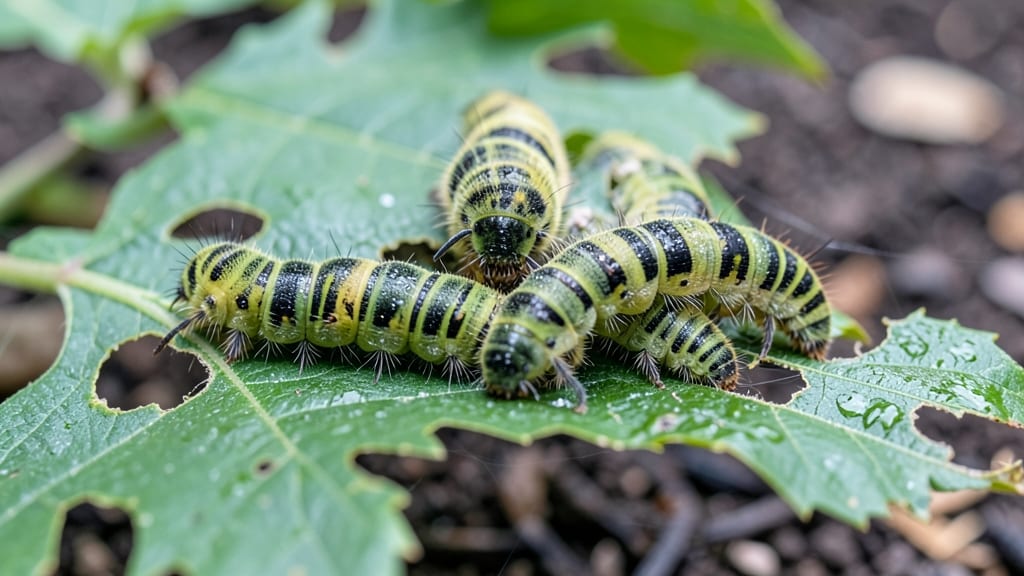
Your maple tree's leaves are being eaten by bugs—those are Japanese beetles, and they're moving on to your roses next. ✨ The good news? Organic pest control works better than you think, and I've stopped these leaf-munchers dead in their tracks without chemicals.
The secret lies in layered defense: neem oil sprays, beneficial nematodes, and companion plants like garlic and catnip that repel pests naturally. Most people overlook the early signs—tiny holes or skeletonized leaves—until the damage is done. I caught mine when the beetles were just starting, and the damage stayed minimal.
By combining these methods, you'll see fewer chewed leaves within 2-3 weeks, and your tree will bounce back stronger. The best part? These solutions work for oaks, birches, and other common trees too. No more helplessly watching your tree get stripped bare—this is how you take back control.
Let's get started with the organic tools that actually work.
The Hidden Triggers Behind Leaf Loss
When your tree’s leaves start disappearing, it’s rarely a random act—there’s almost always a logical (and often scientific) reason behind it. Understanding these triggers helps you take precise action before the damage spreads.
Below, we break down the real causes of leaf-munching pests, from biological needs to environmental cues, so you can tackle the root issue.
Bugs don’t just appear out of nowhere—they thrive when conditions align perfectly for their survival. Here’s what turns your tree into an all-you-can-eat buffet:
- Warmth & Humidity: Many leaf-eaters, like gypsy moths or Japanese beetles, time their life cycles to match spring and summer weather. A sudden heatwave or damp soil can trigger early hatching, leading to massive outbreaks before you even notice.
- Lack of Natural Predators: Birds, parasitic wasps, and fungi keep pest populations in check. If these predators vanish (due to pesticides, habitat loss, or climate shifts), the bugs reproduce unchecked.
- Stressed Trees: Drought, poor soil, or disease weakens a tree’s defenses, making its leaves taste like a five-star meal to hungry insects. Think of it like a buffet sign: “Eat Here—We’re Weak!”
Actionable Fix: Monitor weather patterns and mulch properly to retain moisture. Introduce beneficial insects (like ladybugs or lacewings) to restore balance.
Not all trees are equally appealing to leaf-munchers. Some species are genetically vulnerable due to:
| Tree Type | Why It’s a Target | Common Culprits |
|---|---|---|
| Oak, Maple, Birch | Soft, nutrient-rich leaves = high-calorie snacks for caterpillars and beetles. | Gypsy moth larvae, tent caterpillars |
| Pine, Spruce, Fir | Needles contain resins that usually repel pests, but drought or poor soil weakens this protection. | Sawfly larvae, pine needle scale |
| Fruit Trees (Apple, Cherry) | Sweet sap and tender leaves attract sugar-craving beetles. | Japanese beetles, apple leafrollers |
Actionable Fix: Choose native, pest-resistant species for your region. For existing trees, fertilize with compost to boost natural defenses.
From well-meaning gardening choices to accidental introductions, humans often amplify pest problems. Here’s how:
- Overwatering or Underwatering: Both extremes stress trees, making them more attractive to pests. Fungal issues from soggy soil also weaken leaves, inviting beetles and borers.
- Pesticide Overuse: Harsh chemicals kill beneficial insects first, leaving pests like aphids or spider mites to feast unopposed. It’s like broadcasting a “All Bugs Welcome” sign.
- Firewood or Nursery Plants: Hitchhiking pests (like emerald ash borers) spread via contaminated wood or infected saplings. Always inspect new plants before planting!
Actionable Fix: Use targeted organic sprays (like neem oil) and quarantine new plants for 2 weeks to spot pests early.
Rising temperatures and erratic weather are expanding pest ranges. For example:
- Spotted lanternflies (native to Asia) now thrive in 20+ U.S. states due to milder winters.
- Southern pine beetles are migrating north as summers get hotter.
- Early springs cause moths and beetles to emerge weeks earlier, catching homeowners off guard.
Actionable Fix: Stay updated on local pest alerts (check your state’s agricultural extension service). Prune in late winter to remove egg-laying sites before pests wake up.
Natural Ways to Stop Leaf Munchers
Now that you know what’s chomping on your tree’s leaves, it’s time to act! The good news? You don’t need harsh chemicals to protect your greenery. Below are targeted, organic solutions tailored to the most common culprits—plus prevention tips to keep your trees thriving long-term.
Cause: These hungry larvae (like tent caterpillars or gypsy moths) skeletonize leaves overnight. Fix:
- 🔥 Handpick & Drown – Wear gloves, pluck caterpillars into a bucket of soapy water (1 tbsp dish soap per gallon). Do this in the early morning when they’re sluggish.
- 🍳 Bacillus thuringiensis (Bt) Spray – A microbial pesticide safe for pets and pollinators. Mix with water and spray directly on leaves (especially undersides). Reapply after rain.
- 👨🍳 Prune & Burn – Trim heavily infested branches and dispose of them in a sealed bag or burn pile (check local laws first).
💡 Pro Tip: Hang pheromone traps in spring to disrupt mating cycles. For tent caterpillars, wrap tree trunks with burlap strips—they’ll build nests there, making removal easier.
Cause: These metallic-green beetles chew irregular holes in leaves and attack over 300 plant species. Fix:
- 🥘 Drown in a Bucket – Fill a 5-gallon bucket with soapy water and place it near the tree. Beetles will fall in while feeding.
- 🔪 Neem Oil Spray – Mix 2 tbsp neem oil + 1 tsp mild soap in 1 quart water. Spray at dusk to avoid harming bees. Reapply every 5–7 days.
- 🌿 Plant Traps – Grow rose geraniums or marigolds nearby—beetles prefer these over your prized trees.
✨ Prevention Hack: Apply kaolin clay (like Surround WP) to leaves. It creates a barrier beetles dislike but won’t harm plants.
Cause: Sawfly larvae roll leaves into tents, while leafminers tunnel inside, causing yellow trails. Fix:
- 🔪 Scrape & Destroy – For sawflies, cut open leaf tents and drop larvae into soapy water. For leafminers, prune and discard heavily infested leaves.
- 🌡️ Floating Row Covers – Lightweight fabric draped over young trees blocks adults from laying eggs. Secure with stakes.
- 🎯 Beneficial Nematodes – Apply Steinernema carpocapsae to soil (water in at night). These microscopic worms seek out leafminer larvae.
💡 Pro Tip: Diatomaceous earth (DE) works for sawflies—sprinkle lightly on leaves (avoid windy days). Reapply after rain.
Cause: These sap-suckers weaken trees by excreting sticky honeydew, attracting mold. Fix:
- 💦 Strong Water Blast – Use a hose with a nozzle to dislodge aphids from leaves and stems. Do this early morning.
- 🍎 Introduce Ladybugs – Release ladybug larvae (sold online) or plant dill, fennel, or yarrow to attract them naturally.
- 🥗 Horticultural Oil – Spray dormant oil (in winter) or summer oil (when temps are below 90°F) to smother scale insects. Shake well before use!
🔥 Prevention: Encourage parasitic wasps (like Aphidius colemani) by avoiding broad-spectrum pesticides.
Cause: These nocturnal munchers leave silver slime trails and irregular holes. Fix:
- 🍺 Beer Traps – Bury a shallow container filled with beer near the tree. Slugs crawl in and drown.
- 🥘 Copper Barrier – Wrap copper tape around tree trunks—slugs get a mild electric shock and retreat.
- 🌿 Crushed Eggshells – Sprinkle around the base (sharp edges deter slugs). Refresh after rain.
💡 Pro Tip: Iron phosphate baits (like Sluggo) are pet-safe and break down in soil.
- 🌿 Keep Trees Healthy – Water deeply during droughts and mulch (2–3 inches) to retain moisture.
- 🍃 Prune Properly – Remove dead/diseased branches in late winter to reduce hiding spots.
- 🕰️ Monitor Early – Check leaves weekly (especially undersides) for early signs of damage.
- 🌍 Encourage Predators – Plant native flowers (like milkweed or coneflowers) to attract birds, lacewings, and predatory beetles.
- 🚫 Avoid Over-Fertilizing – Soft new growth attracts pests. Use slow-release organic fertilizer sparingly.
⏰ Best Time to Act: Early morning or late evening when pests are least active and temperatures are cooler. Most natural sprays work best when applied before pests strike (spring prevention is key!).
Frequently asked questions
What are the most common bugs that eat tree leaves?
The top culprits include Japanese beetles, gypsy moth caterpillars, tent caterpillars, leafminers, and aphids. Each leaves distinct damage patterns—Japanese beetles create irregular holes, while leafminers leave yellow trails inside leaves. Early identification is key to stopping the spread.
How do I tell if my tree is just shedding leaves or being eaten by bugs?
Look for irregular holes, skeletonized leaves (veins remain), or silver slime trails—these are clear signs of pests. Normal shedding happens gradually and evenly, while insect damage is often concentrated on specific branches or leaf edges. Check undersides too—eggs or tiny larvae may be hiding there.
Will neem oil really stop bugs from eating my tree leaves?
Yes! Neem oil disrupts pests' feeding and reproduction cycles. Mix 2 tablespoons with 1 teaspoon mild soap in 1 quart water and spray at dusk (avoids harming bees). Reapply every 5-7 days or after rain. It works best on Japanese beetles, aphids, and caterpillars—just start early in the season.
Can I use beer traps for slugs and snails on my trees?
Bury a shallow container filled with beer near your tree—slugs and snails are drawn to it and drown. For best results, place traps in the evening when pests are most active. Refresh the beer every 2-3 days, especially after rain. This method is pet-safe and works well for young trees or garden beds.
How long does it take to see results from organic pest control?
Most organic methods show improvement within 2-3 weeks, but severe infestations may take longer. For example, Bacillus thuringiensis (Bt) kills caterpillars within 24-48 hours, while beneficial nematodes need 4-6 weeks to establish. Consistency is key—reapply treatments as directed and monitor leaves weekly for progress.