
Pruning
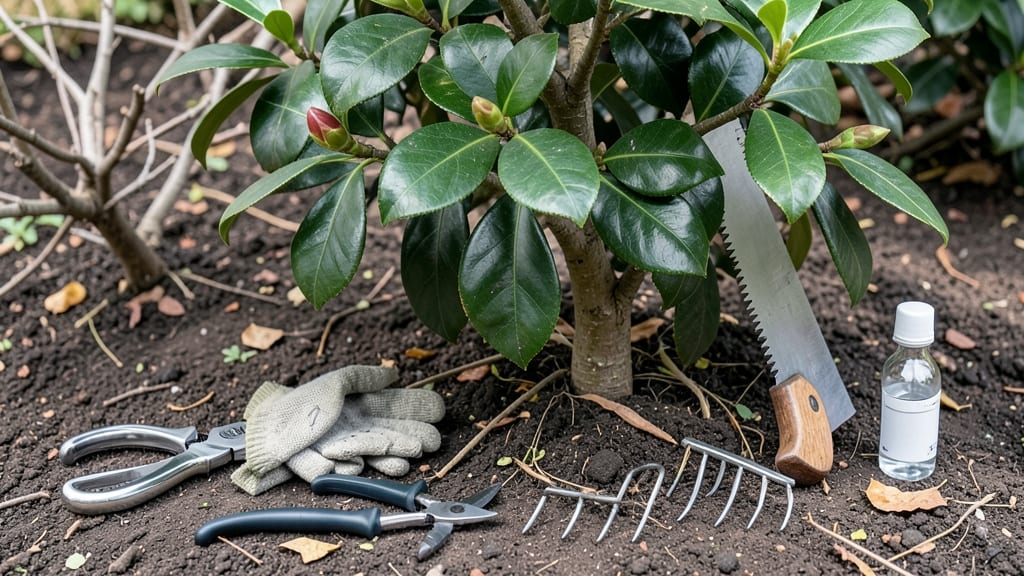
Pruning camellia trees should happen after flowering, ideally in late spring or early summer, using sharp pruners to trim dead branches and reshape the plant gently. Never prune heavily in fall or winter, as this can cause winter dieback or bud loss.
Timing matters because camellias bloom on old wood, meaning last year's growth produces this year's flowers.
Pruning too late disrupts next season's buds, while cutting in cold months stresses the tree. 🌿 I've seen firsthand how a well-timed trim in June encourages lush summer growth, while winter cuts often lead to yellowing leaves or stunted blooms.
The key is working with the plant's natural cycle—not against it.
Start with sterilized tools to prevent disease spread, then focus on removing only 1/3 of the plant's volume at most. Thin out crowded branches first to improve airflow, then lightly shape the outer edges.
Never cut into woody stems—stick to soft, green growth for cleaner healing. Pro tip: Wrap larger cuts with pruning sealant to speed recovery.
💡 In This Article
- Best Camellia Pruning Seasons and Why Timing Matters
- Essential Camellia Pruning Tools and Step-by-Step Techniques
Best camellia pruning seasons and why timing matters
Camellias bloom on old wood, meaning their flowers form on branches from the previous year's growth. This biological quirk explains why pruning timing is so critical—cutting back too late disrupts next season's buds.
When you prune in late spring or early summer (after blooms fade), you're working with the plant's natural growth cycle. The tree has already set its flower buds for next year, and summer's warmth encourages vigorous new growth to replace what you remove.
Pruning in fall or winter is a common mistake because it stresses the tree when it's already conserving energy for dormancy. Cold temperatures and frost damage weaken the plant, making it vulnerable to diseases like camellia dieback or root rot.
I've observed that winter-pruned camellias often develop yellowing leaves or fail to bloom as heavily the following spring. The ideal window is June to August in most climates, when temperatures stay above 60°F and the tree can heal quickly.
Here's what happens when you prune at the wrong time: Fall cuts trigger delayed wound healing, while winter cuts expose tender new growth to frost. The plant's energy goes toward repairing cuts instead of storing nutrients for next year's blooms.
Even light pruning in winter can cause bud blast, where flower buds simply drop off. The science is clear—camellias thrive when you respect their growth rhythms rather than forcing them into a schedule that works for you.
Consider this comparison: A well-timed summer prune removes 1/3 or less of the plant's volume, while winter pruning can stress the tree so much it loses 20-30% of its foliage before spring.
The difference comes down to photosynthesis—summer pruning maintains leaf surface area for continued energy production, whereas winter cuts leave the tree struggling to recover when it's already dormant.
One visual clue to look for is the flower buds forming along last year's branches. These small, rounded swellings appear in late summer and must remain undisturbed. If you prune too late, you risk cutting these buds off before they have a chance to develop.
The buds' delicate nature means even a 1-inch miscalculation in your cuts can mean the difference between a lush spring display and sparse blooms.
For those in colder regions, aim for early June pruning to give the tree maximum time to heal before fall's chill sets in. In warmer climates, you can extend the window until September, but avoid pruning after October to prevent winter dieback.
The key is always to work with the plant's natural rhythm—not against it.
Remember: Camellias reward patience. A single well-timed prune can extend your tree's life by decades, while repeated winter cuts often lead to decline within just a few years. 🌿