
Container Gardens
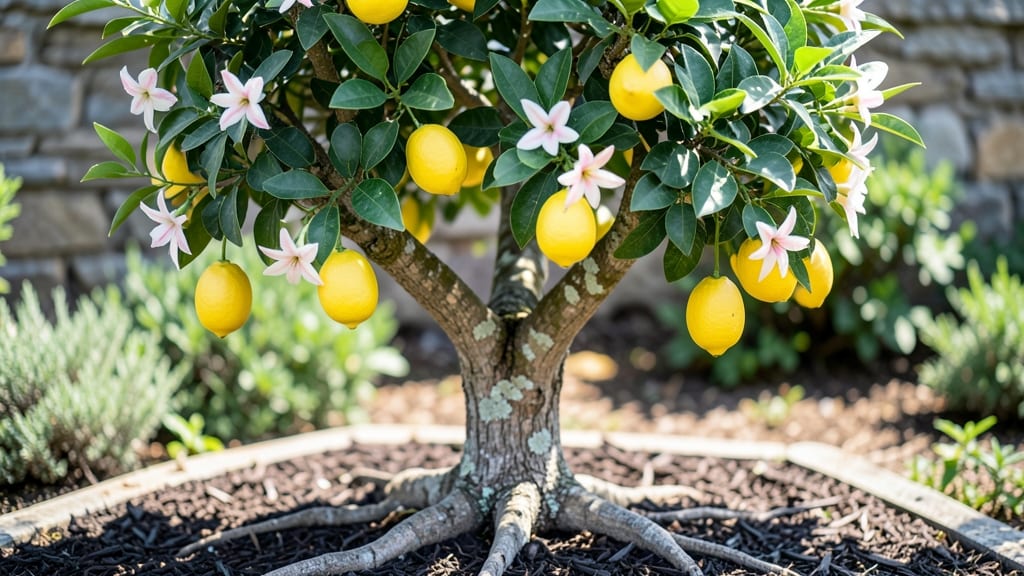
You can grow a lemon tree in Illinois using cold-resistant varieties like 'Meyer' or 'Improved Meyer,' but outdoor planting needs winter protection. Indoor growing in containers with ample light and steady warmth produces better results annually.
Illinois's chilly winters (Zones 5-6) make outdoor lemon trees challenging, but the right approach can still yield fruit. 🌱 The 'Meyer' lemon, a hybrid variety, tolerates temperatures down to 20°F with proper protection, while standard lemons rarely survive below 25°F.
Many Illinois gardeners opt for container growing, moving pots indoors during winter months. This method gives you more control over growing conditions and extends the tree's lifespan significantly.
For best results, place your container near a south-facing window or under grow lights for 6-8 hours daily. The key is consistency—lemon trees thrive with 60-70% humidity and regular watering (letting the top inch of soil dry between waterings).
With patience, you can enjoy homegrown lemons even in Illinois's climate.
💡 In This Article
- Cold-Hardy Lemon Tree Varieties for Illinois Climates
- Indoor Lemon Tree Care for Illinois Growers
Cold-hardy lemon tree varieties for Illinois climates
The key to growing citrus in Illinois lies in selecting varieties with naturally cold-resistant traits. The 'Meyer' lemon, a hybrid between true lemons and mandarins, stands out with its ability to tolerate brief exposures to 20°F temperatures, making it ideal for Zone 5-6 climates.
This variety's hardiness comes from its genetic makeup—its mandarin heritage provides cold tolerance while retaining the lemon's flavor profile, though fruits are slightly sweeter and less acidic than standard lemons.
Another excellent option is the 'Improved Meyer' lemon, a refined version that produces more consistently. Unlike traditional lemon varieties like 'Eureka' or 'Lisbon' (which rarely survive below 25°F), these hybrids develop a thicker bark and smaller leaves that reduce moisture loss during cold snaps.
In Illinois's winter conditions, the tree's growth slows dramatically below 40°F, entering a semi-dormant state that helps it survive until spring.
When comparing growth habits, 'Meyer' trees typically reach 6-10 feet tall outdoors in warmer climates, but in Illinois containers, they'll stay between 4-6 feet with proper pruning. Their compact nature makes them perfect for patio growing.
The trade-off? These cold-hardy varieties produce smaller fruit—about 2-3 inches in diameter compared to standard lemons' 3-4 inches—but with a sweeter, more aromatic flavor that many gardeners prefer.
What most Illinois growers don't realize is how the tree's flowering patterns adapt to local conditions. Unlike tropical citrus, these varieties often produce two flower flushes annually: one in spring and another in late summer.
The spring blooms are more prolific but may get nipped by late frosts, while summer flowers develop into the most reliable fruit. This dual-flowering strategy maximizes production despite the shorter growing season.
For outdoor planting in Illinois, always choose container-grown trees (not bare-root) as they establish faster. The root system's maturity gives them a head start against winter stress.
When planting in ground beds, mound soil around the trunk for added insulation—this "hill method" can protect roots down to 12-18 inches deep, where most cold damage occurs.
Consider these key factors when selecting your variety:
- Cold tolerance: 'Meyer' (20°F) vs 'Improved Meyer' (18°F with protection)
- Fruit size: 'Meyer' (2-3 inches) vs standard (3-4 inches)
- Growth rate: Container trees mature 2-3 years faster than field-grown
- Pollination: Self-pollinating varieties produce fruit without cross-pollination
The secret to success with these varieties lies in their ability to balance cold tolerance with fruit production—a delicate equilibrium that makes them perfect for Illinois's challenging climate. 🌟