
How To
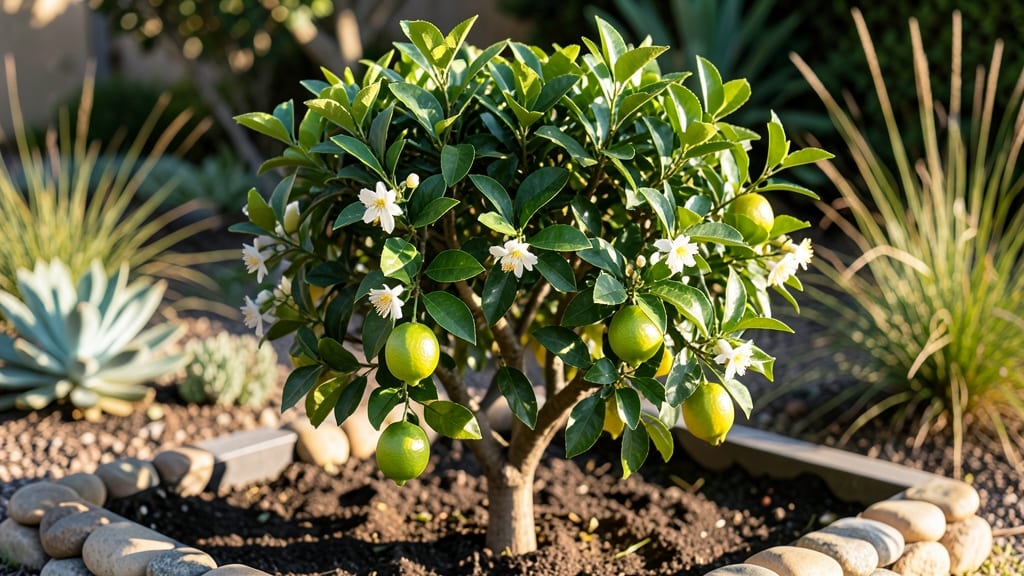
A dwarf lemon tree grows to 6–8 feet at maturity—tall enough for fresh 🍋 harvests but small enough to thrive in containers, patios, or even sunny kitchens.
Dreaming of fresh lemons but short on space? Dwarf lemon trees offer the perfect solution—compact size without sacrificing fruit production—but how tall do they really grow? The answer might surprise you, especially if you’ve ever assumed they’d stay tiny forever.
Unlike their towering standard cousins (which can reach 20–30 feet), dwarf varieties stay manageable while still producing year-round harvests in USDA Zone 6a. Whether you’re growing in a 5-gallon pot or planting in-ground, their height stays predictable—with a few key factors to keep them from outgrowing their space.
Below, I’ll break down the exact mature heights by variety, how pruning controls growth, and why container size matters more than you’d think. Ready to grow your own citrus without the yard?

Dwarf lemon tree height guide: mature sizes by popular varieties
If you're wondering how tall does a dwarf lemon tree grow, the answer depends on the variety and growing conditions. Unlike their full-sized cousins that tower 20-30 feet, dwarf lemon trees stay manageable—typically reaching 6-8 feet at maturity.
This makes them perfect for containers, patios, or small gardens where space is limited. But not all dwarf varieties grow the same height, so let's break down the specifics for popular choices.
For container growing, most dwarf varieties thrive in 15-25 gallon pots, but their mature height can vary slightly based on pruning and care. The Meyer lemon, for example, is one of the most popular dwarf varieties and often stays between 6-8 feet tall.
Meanwhile, the Eureka Dwarf leans toward the lower end of the spectrum, typically maxing out around 6 feet with proper maintenance. Understanding these differences helps you choose the right variety for your space and goals.
The Meyer lemon is a favorite among home gardeners because it produces sweeter, thinner-skinned fruit and adapts well to container life. With a mature height of 6-8 feet, it fits nicely in a large patio pot or even a raised bed.
The Improved Meyer, a hybrid variety, tends to stay slightly shorter at 5-7 feet, making it ideal for smaller spaces or balconies. Both varieties are cold-hardy compared to other lemons, which is a bonus if you live in cooler climates.
If you're growing your dwarf lemon tree in the ground, expect it to reach its full mature height more quickly than in containers. In-ground planting provides more root space, which can encourage slightly taller growth, especially for varieties like the Ponderosa lemon.
This variety can stretch up to 10 feet if not pruned regularly, but its giant fruit (up to 8 inches in diameter!) makes it a stunning centerpiece for larger gardens. Just be sure to give it plenty of space to avoid overcrowding nearby plants.
For container growing, the key to controlling height is choosing the right pot size and pruning regularly. A 15-gallon container is ideal for most dwarf varieties, but if you opt for a 25-gallon pot, your tree may grow slightly taller due to the extra root space.
Always use a pot with drainage holes to prevent root rot, and consider elevating the container to improve airflow. With proper care, even the tallest dwarf varieties can be kept under 8 feet.
Pruning plays a huge role in managing the height of your dwarf lemon tree. Regular pruning not only keeps the tree compact but also encourages better air circulation and fruit production. Aim to prune in late winter or early spring before new growth begins.
Remove any dead or crossing branches first, then trim back any overgrown limbs to maintain your desired height. With consistent pruning, you can easily keep your tree at 5-6 feet even if it naturally leans toward the taller end of the spectrum.
Another factor to consider is the growth rate of
Factors that influence dwarf lemon tree height and growth
If you're growing a dwarf lemon tree, you know space-saving is key—but did you know your tree's final height depends on more than just genetics? Sunlight exposure, pruning habits, and even your container size play starring roles in controlling growth.
Let's break down the top factors that determine how tall your dwarf lemon tree will grow and how to keep it at your desired height.
First, genetics set the baseline, but environmental factors can push your tree toward the upper or lower end of its 6-8 foot mature height range. For example, a Meyer lemon tree left unpruned might reach 8 feet, while regular pruning can keep it under 6 feet.
Understanding these variables helps you plan for the perfect-sized tree that fits your space and care routine.
- Pruning Techniques
- Sunlight Exposure
- Container Size
- Soil Quality
- Seasonal Growth Cycles
Let’s talk about pruning techniques—this is where you take control. I recommend pruning in late winter or early spring before new growth begins. Focus on removing suckers (shoots at the base) and crossing branches to encourage an open canopy.
A well-pruned tree stays 30-50% shorter than an unpruned one, so don’t skip this step!
Another game-changer is container size. If your dwarf lemon tree is root-bound, it will stretch taller to escape its pot. Always choose a container at least 15 gallons for mature dwarf trees.
I’ve seen trees in smaller pots grow 2 feet taller in just one season because they’re desperate for space. Pro tip: Repot every 2-3 years to refresh the soil and give roots room to spread.
Don’t overlook soil quality—it’s the foundation of healthy growth. Dwarf lemon trees thrive in well-draining, slightly acidic soil (pH 6.0-7.0). If your soil is heavy clay, mix in compost and perlite to improve drainage.
Poor soil can stunt growth or lead to root rot, which will make your tree struggle to reach its full potential height.
Finally, pay attention to seasonal growth cycles. Your tree will grow fastest in spring and summer when days are long and warm. During fall and winter, growth slows down naturally.
To keep your tree compact, reduce watering in winter and avoid heavy fertilization. This slows growth and helps maintain a manageable height year-round.