
Diseases
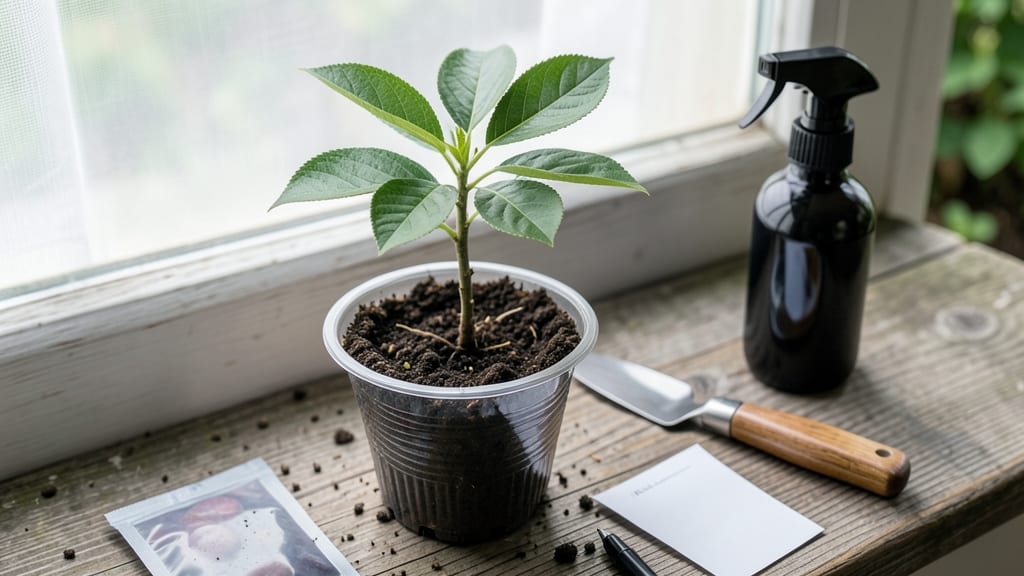
You can grow a plum tree from a plum seed, but the process is slow and unpredictable—seeds often take months to sprout, and the resulting tree may not produce fruit matching the parent plant. Proper stratification and patience are essential for success.
Growing plum trees from seeds is more about the adventure than the guaranteed outcome. 🌱 The seeds of most plum varieties need a cold period (stratification) to break their natural dormancy, which mimics winter conditions.
This process can take anywhere from 30 to 90 days, depending on the variety—some seeds even require two cold seasons before they'll sprout.
Once germinated, the seedlings will grow into trees, but they may take 5-10 years to bear fruit, and the fruit will likely differ from the parent plant due to genetic variation.
What makes this method rewarding is the hands-on experience of nurturing a tree from scratch. Many gardeners start with seeds simply to enjoy the journey of watching a tiny seedling mature into a full-sized tree, even if it doesn't produce the exact fruit they envisioned.
If you're patient and willing to experiment, this approach can be a fascinating way to explore plum genetics and horticulture.
💡 In This Article
- How Plum Seed Germination Works and Why It Takes So Long
- Step-by-Step Guide to Growing Plum Trees From Seeds
How plum seed germination works and why it takes so long
Plum seeds enter a state of dormancy due to their hard, stony outer shell called the endocarp, which protects the embryo inside. This natural barrier prevents premature germination and ensures seeds only sprout under ideal conditions.
The biological trigger for breaking dormancy is a process called stratification, where seeds experience cold, moist conditions that mimic winter.
For plums, this typically requires 60-90 days at temperatures between 34-41°F—similar to a refrigerator's crisper drawer. 🌱 Without this cold treatment, many plum seeds will simply rot or remain dormant indefinitely.
The stratification period allows the seed to undergo biochemical changes that prepare it for germination. During this time, enzymes break down stored nutrients in the seed's cotyledons (seed leaves), while the cold helps soften the hard seed coat.
Some plum varieties, particularly those from wild or hybrid sources, may need even longer cold exposure—up to 120 days—or even two consecutive cold seasons before they'll sprout.
This explains why seeds from store-bought plums often fail to germinate: commercial varieties are frequently bred for consistent fruit production rather than seed viability.
Once stratified, germination can take 2-4 weeks under ideal conditions, though some seeds may linger for months. The key is maintaining consistent moisture (about 50-60% humidity) while keeping temperatures stable.
Too much heat or dryness can trigger premature sprouting before the seed is fully prepared, leading to weak or failed seedlings. This is why many gardeners use a mix of peat moss and perlite during stratification—it provides both moisture retention and aeration to prevent fungal growth.
Seed viability also varies dramatically by plum type. European plums (Prunus domestica) often have higher germination rates than Japanese plums (Prunus salicina), which are frequently bred for ornamental rather than fruit-bearing qualities. Even within the same variety, some seeds may germinate while others remain dormant—a phenomenon called "seedling heterogeneity."
This genetic diversity is what makes seed-grown plum trees so unpredictable in terms of fruit quality and tree characteristics.
What most people don't realize is that the germination process isn't just about breaking dormancy—it's also about timing. Plum seeds contain compounds called cyanogenic glycosides that can be toxic if ingested before proper germination.
These compounds break down during stratification, which is why it's crucial to complete the cold treatment before attempting to grow the seed. The transformation from dormant seed to viable sprout is a delicate balance of chemistry and environmental cues that nature has perfected over millennia.
For those eager to see results, one trick is to plant multiple seeds simultaneously. Since germination rates can be as low as 10-30% for some varieties, having extra seeds increases your chances of success.
The first true leaves that emerge will be the cotyledons, followed by the first set of true leaves—this is when you'll know the seed has successfully broken dormancy and is ready for its next growth phase. 🌿