
Trees
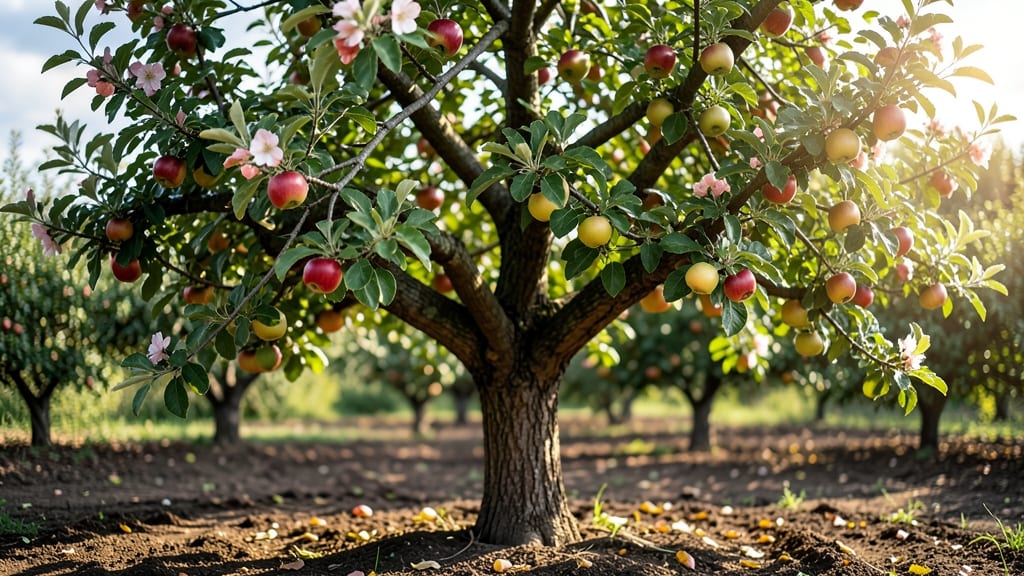
Yes, one apple tree can absolutely produce fruit, with most mature trees yielding between 100 to 200 apples per year under ideal growing conditions. Production depends heavily on the tree's variety, age, and level of care, with young trees taking 3-5 years to bear fruit and established trees potentially producing over 500 apples annually.
A single apple tree isn't just capable of producing fruit—it can become a productive centerpiece of your garden or orchard. 🍎 The key difference between a modest harvest and a bountiful one often comes down to pollination, as many apple varieties require cross-pollination from a second tree for optimal fruit set.
Younger trees focus their energy on growth rather than fruiting, which explains why they take several years before producing meaningful yields. Once established, proper pruning, balanced fertilization, and consistent watering can push a mature tree toward its full potential, sometimes exceeding 1,000 pounds of fruit per season.
What's fascinating is how different apple varieties behave—some like 'Fuji' or 'Gala' are prolific producers, while others like 'Granny Smith' may yield fewer but larger fruits. The right growing conditions, including full sun exposure and well-drained soil, make all the difference in transforming a single tree into a productive powerhouse.
💡 In This Article
- Apple Tree Fruit Production Factors
- Maximizing Apple Harvest from a Single Tree
Apple tree fruit production factors
The ability of a single apple tree to produce fruit depends on its biological needs and environmental conditions. Most apple varieties are self-pollinating but require cross-pollination from another tree to achieve maximum fruit set—meaning a single tree can produce fruit, but often with fewer apples than a properly pollinated pair.
For example, 'Honeycrisp' apples produce around 150-200 apples per tree when pollinated, but may yield only 50-80 apples if isolated. 🌸 The tree's reproductive cycle begins when flowers bloom in spring, and successful pollination leads to fruit development over 6-8 months until harvest.
Tree age plays a critical role in production capacity. Young trees (under 3 years old) prioritize root and branch growth over fruiting, which is why they produce minimal fruit.
Once established, a 5-year-old tree might yield 100-150 apples annually, while a mature 10-15-year-old tree can produce 500-1,000 apples per season. Variety also matters—'Granny Smith' trees tend to produce fewer but larger apples, while 'Red Delicious' trees may bear more but smaller fruits.
Climate zones further influence yield, with trees in USDA Zones 5-8 typically thriving better due to optimal temperature ranges during dormancy and flowering.
Seasonal variations create another layer of complexity. Apple trees require 200-1,000 chill hours (temperatures between 32-45°F) during winter to break dormancy. Insufficient chill hours can delay flowering or reduce fruit set. Additionally, summer temperatures above 90°F can stress the tree, leading to fruit drop.
This is why apple production in warmer climates often requires careful irrigation and shade management. 🍏 The tree's energy balance between vegetative growth (leaves, branches) and reproductive growth (fruit) determines how many apples it can support without compromising its health.
Soil quality and nutrition directly impact fruit production. Trees planted in well-drained, slightly acidic soil (pH 6.0-6.5) with adequate nitrogen, phosphorus, and potassium produce more abundant harvests. A deficiency in these nutrients can result in smaller fruits or poor fruit set.
For instance, nitrogen deficiency causes yellowing leaves and reduced flowering, while potassium deficiency weakens the tree's ability to transport nutrients to developing fruit. Regular soil testing can reveal specific deficiencies that may be limiting your tree's potential yield.
Pest and disease pressure also affects production. Common apple pests like codling moths, aphids, and apple scab can reduce fruit quality or quantity by 30-50% if left unmanaged. For example, codling moth larvae burrowing into apples can render entire harvests inedible.
Organic growers often use pheromone traps or beneficial insects, while conventional methods may involve targeted sprays. The tree's overall health—determined by proper pruning, watering, and fertilization—creates resilience against these pressures, ensuring more consistent fruit production year after year.
What most gardeners don't realize is how the tree's root system influences above-ground productivity. A well-developed root system (extending 3-5 feet deep) can access water and nutrients more efficiently, supporting higher fruit yields.
Mulching with organic matter like wood chips helps maintain soil moisture and temperature, while also suppressing weeds that compete for resources. This holistic approach to tree care transforms a single apple tree from a modest producer into a reliable source of fresh fruit for decades. 🌿