
Propagation
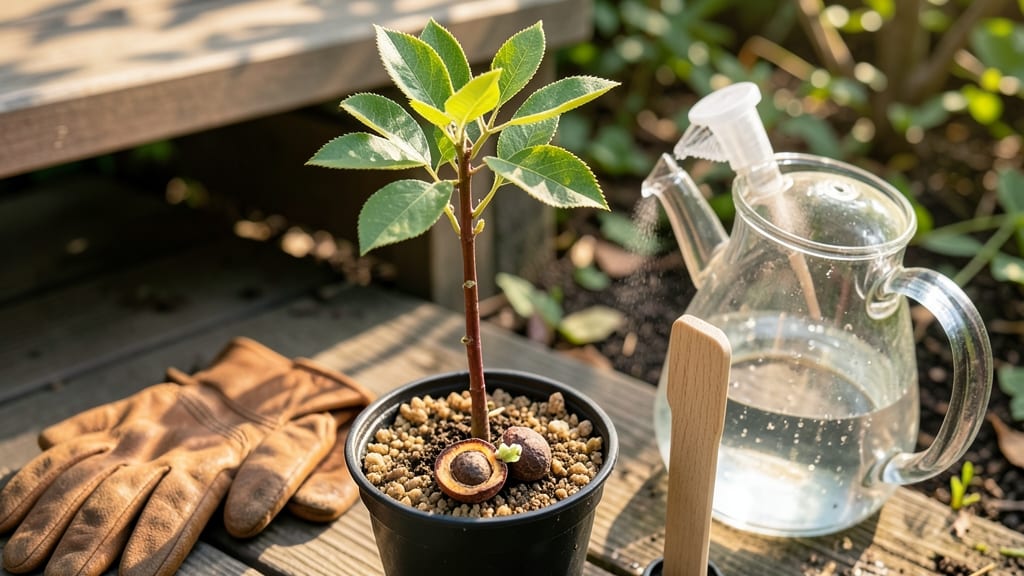
You can start a peach tree from a pit, but it requires careful cold stratification for 3-6 months, followed by planting in well-draining soil and patience—most pits fail to produce viable trees due to genetic inconsistencies or disease susceptibility.
Growing a peach tree from a seed pit is a rewarding but finicky process that mimics nature's timing. 🌱 The key is replicating winter's cold period through stratification, which tricks the dormant pit into thinking it's experienced a full season.
I've found that using a mix of perlite and peat moss during this phase helps maintain consistent moisture without drowning the pit. Once sprouted, these seedlings grow much slower than grafted nursery trees and often produce fruit with unpredictable traits—like bitter flavors or poor disease resistance.
For best results, plant multiple pits together since success rates hover around 10-30%. The real test comes when transplanting seedlings to outdoor soil—most gardeners underestimate how delicate these young roots are.
I recommend waiting until spring when soil temperatures are stable before moving them permanently, as sudden temperature swings can shock the system.
💡 In This Article
- Peach Pit Germination Process Explained
- Growing Peach Trees from Pits: Tips for Success
Peach pit germination process explained
The peach pit's journey from dormancy to sprout begins with a critical biological process called cold stratification. This mimics the natural winter cycle that peach seeds experience in their native habitats. During stratification, the pit absorbs moisture while exposed to temperatures between 35-45°F for 3-6 months.
This cold period breaks the seed's dormancy by weakening its hard outer shell and activating enzymes that jumpstart growth. Without this step, most pits simply won't sprout—even when planted in ideal conditions.
Here's how to do it right: Start by cleaning the pit thoroughly to remove any remaining fruit flesh, then place it in a moistened paper towel inside a sealed plastic bag. Store the bag in your refrigerator's crisper drawer where temperatures stay consistently cold.
The paper towel maintains 60-70% humidity while preventing mold growth. I've found that checking the moisture level weekly is crucial—if the towel feels dry, lightly mist it with water. The goal is to keep the pit damp but not soggy, as excess water can cause rot before germination begins.
Once stratified, plant the pit 1 inch deep in a mix of 50% potting soil and 50% perlite to ensure excellent drainage. Peach pits need warmth to germinate after cold treatment, so place the container in a sunny window or under grow lights at 70-75°F.
Germination typically takes 2-6 weeks, but patience is key—some pits may take months or never sprout at all. The first sign of life is usually a tiny white root breaking through the shell, followed by a shoot emerging within days.
What most gardeners overlook is that peach pits from store-bought fruit often fail because commercial varieties are bred for uniform fruit quality, not seed viability. 🌱 The best success comes from pits harvested from homegrown peaches or heirloom varieties, which have higher genetic diversity.
Even then, only about 1 in 4 pits will successfully germinate and grow into a healthy seedling. The ones that do sprout often develop into trees with unpredictable fruit characteristics—sometimes delicious, sometimes bitter or small.
After sprouting, the seedling enters its most vulnerable phase. Young peach trees grown from pits are extremely susceptible to peach leaf curl disease and other fungal infections due to their weak genetic resistance.
This is why professional growers use grafted trees—seedlings take 5-7 years to bear fruit compared to 2-3 years for grafted varieties. The slow growth also makes them more prone to environmental stress, requiring careful protection from late frosts and strong winds during their early years.
For those willing to put in the time, the reward comes when your seedling finally flowers. The first blooms often appear after 2-3 years of growth, and while the fruit may not be perfect, there's something magical about eating peaches from a tree you grew yourself.
The key to success lies in understanding that this isn't just about planting a seed—it's about recreating an entire growing season in your own home before the tree ever sees outdoor soil.