
Pruning
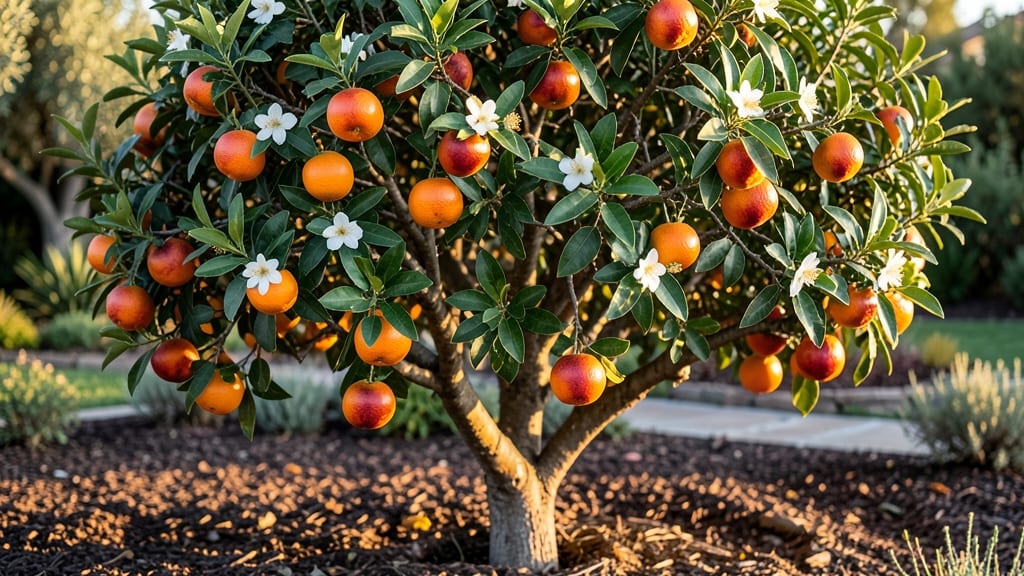
A Cara Cara orange tree’s mature size can reach 15 to 25 feet tall, turning your backyard into a citrus grove—if you have the space.
Dreaming of growing your own 🍊 but worried it’ll outgrow your patio? These vibrant, blood-orange hybrids pack serious flavor, but their growth habits can be a game-changer for small-space gardeners.
In frost-free zones like Zone 9b (think Phoenix or coastal California), a standard Cara Cara tree will spread 12 to 15 feet wide over time, while dwarf varieties stay under 10 feet—making them perfect for containers or tight yards.
Here’s how to keep yours manageable, whether you’re pruning for shape or choosing a compact variety that still delivers sweet, juicy fruit.

Cara Cara orange tree mature size: height, spread, and growth habits explained
If you’re planning to grow a Cara Cara orange tree in your backyard, understanding its mature size is key to making the most of your space.
These trees typically reach 15 to 25 feet tall with a spread of 12 to 15 feet in ideal conditions—think of them as medium-sized citrus giants that need room to stretch their branches.
Their growth rate is moderate, with young trees gaining 2 to 4 feet per year until they reach maturity, which usually takes 5 to 7 years.
In frost-free zones like USDA Zone 9b or higher (such as Southern California or Florida), these trees thrive year-round and can become a stunning focal point in your garden.
For small gardens or urban patios, consider dwarf Cara Cara varieties, which stay under 10 feet tall and are perfect for container growing. These compact trees still produce the same sweet, blood-orange fruit but require less space—ideal if you’re limited to a balcony or small yard.
When planted in the ground, these trees develop a wide, rounded canopy that can block sunlight to nearby plants. If you’re growing them in containers, expect slightly slower growth due to restricted root space, but they’ll still reward you with abundant fruit if given proper care.
One common misconception is that Cara Cara trees grow like shrubs. In reality, even dwarf varieties will develop a tree-like structure with a single trunk and branching limbs.
This means they need regular pruning to shape and encourage airflow, especially in humid climates where fungal diseases can be an issue.
If you’re growing a standard-sized tree in your yard, plan for at least 15 feet of clearance in all directions. This ensures the tree has room to spread without crowding other plants or structures.
In contrast, dwarf varieties can thrive in 5-gallon containers for the first few years, making them a great choice for renters or those with limited outdoor space.
Another factor to consider is the growth habit of Cara Cara trees. They tend to grow upright in youth but develop a broader, bushier shape as they mature.
This natural spread means you’ll need to prune regularly to maintain a manageable size, especially if you’re growing them in containers or tight spaces.
For container gardening, choose a pot that’s at least 18 inches in diameter and has drainage holes to prevent root rot. Larger containers (like 24-inch pots) will accommodate the tree’s roots better and support faster growth.
Remember, root-bound trees produce fewer fruits, so upgrade your container size every few years as the tree grows.
In frost-free climates, Cara Cara trees can live for decades with proper care, making them a long-term investment. Their slow-to-moderate growth rate means you won’t see dramatic changes year to year, but with patience, you’ll enjoy a fruit-bearing tree for many seasons to come.
How to control Cara Cara orange tree size in limited spaces
If your dream of growing a Cara Cara orange tree is crashing against your small patio or balcony, don’t worry—you’re not stuck choosing between citrus dreams and tight spaces. With the right techniques, you can keep your tree compact, productive, and thriving in even the coziest corners.
The key lies in pruning strategies, container gardening, and root management, all while ensuring your tree still bears those sweet, deep-orange fruits.
Standard Cara Cara trees can reach 15 to 25 feet tall, but with dwarf varieties and smart pruning, you can shrink that footprint dramatically. For example, a dwarf Cara Cara might stay under 8 feet tall while still producing 50 to 100 fruits per year.
Even if you’re working with a standard tree, pruning and container limits can keep it at a manageable 6 to 10 feet, perfect for urban yards or balconies.
Start with pruning in late winter or early spring, just before new growth begins. Remove suckers and water sprouts—those are the fast-growing shoots that steal energy from fruit production. Focus on open-center pruning, which keeps the tree’s center clear for airflow and sunlight penetration.
This method also makes harvesting easier and reduces the risk of fungal diseases like citrus blight. Aim to prune 20-30% of the canopy annually to maintain size without stunting growth.
For container gardening, choose a pot with drainage holes and fill it with a well-draining citrus mix (equal parts potting soil, perlite, and compost). Place your pot in a sunny spot with at least 6 hours of direct light daily.
If you’re growing on a balcony, consider a self-watering container to maintain consistent moisture—Cara Cara trees hate drying out. Remember, root restriction naturally limits size, but you’ll need to fertilize regularly (every 4-6 weeks in spring/summer) to compensate for the smaller root system.
If you’re planting in the ground but still want to control size, try root restriction techniques. For example, install a root barrier (a buried plastic or metal barrier) around the tree’s planting area to limit root spread.
This won’t stop growth entirely, but it can reduce the tree’s mature spread by 30-50%. Pair this with annual pruning to keep the canopy in check. Another trick?
Plant your Cara Cara near a fence or wall—trees often grow narrower when they’re confined on one side, giving you more horizontal space for other plants.
Don’t forget to train your tree’s structure early. If you’re growing a standard tree, use a central leader system (one main trunk with branches) to keep it upright and manageable. For dwarfs, a modified central leader or open vase shape works well, making it easier to reach the fruit.
With these methods, you can enjoy homegrown Cara Cara oranges without sacrificing your small-space garden’s layout. Just remember: patience and consistency are key—your tree will thank you with years of sweet, juicy rewards. 🍊