
Neem Oil
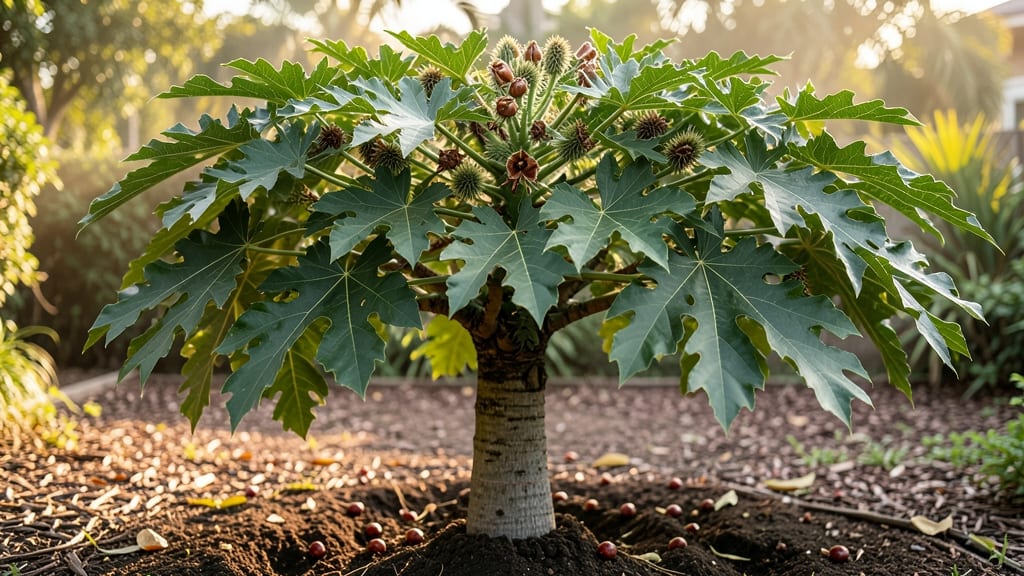
Germinating castor oil tree seeds can feel like waiting for a miracle—but with the right tricks, you’ll see those first green shoots in just 3-5 days. 🌱 I’ve tried every method, and the secret lies in warmth, moisture, and a little patience (or impatience, if you’re like me).
These seeds are tough little powerhouses, but they need specific conditions to crack open and sprout reliably.
The good news? You don’t need fancy equipment—just a warm spot, a damp paper towel, and a clear plastic bag to trap humidity. Most people overcomplicate it by planting straight into soil, but pre-sprouting gives you a 90% success rate before the seeds even hit the ground.
Plus, it’s the fastest way to break through their stubborn outer shell.
Once sprouted, these seedlings grow fast—1-2 inches per week—with glossy, deep green leaves that look almost tropical. The key is keeping them warm (70-80°F) and moist but not soggy, because castor oil plants hate cold feet.
By week 3, you’ll have sturdy little plants ready for transplanting, and the best part? They’re drought-tolerant once established.
Fair warning: every part of this plant is toxic if ingested, so keep it away from pets and kids. But with the right setup, you’ll have a fast-growing, hardy tree that thrives in zones 9-11 (and can be grown as an annual elsewhere).
Here’s how to get those seeds sprouting like clockwork.
📚 In This Guide
- What you need
- Instructions
- Tips and common mistakes
- Wrapping up and next steps
What you need
- ● Castor oil tree seeds (Ricinus communis): 5–10 fresh, plump seeds (avoid shriveled or cracked ones). Pro tip: 💡 Buy from a reputable supplier or harvest them yourself from a mature tree!
- ○ Seed-starting trays or small pots: 2–4 (3–4 inches deep) with drainage holes. Optional: Use biodegradable peat pots for easy transplanting.
- ● High-quality potting mix: 1–2 bags of well-draining, sterile seed-starting mix (avoid garden soil). Look for labels with "seed starter" or "cactus/succulent mix."
- ● Spray bottle: 1 (for gentle watering). ✨ Avoid overwatering—castor seeds hate soggy soil!
- ○ Clear plastic wrap or humidity dome: 1 sheet (to retain moisture). Optional: A plastic bag with holes works too!
- ● Grow lights or sunny windowsill: Access to bright, indirect light (6+ hours/day). 🌡️ Castor seeds thrive in warmth—aim for 70–80°F (21–27°C).
- ○ Thermometer (optional but helpful): 1 (to monitor soil temperature).
- ● Seedling heat mat (to speed up germination in cooler climates).
- ● Fertilizer (balanced, water-soluble, 5-5-5 or 10-10-10—dilute to half-strength).
- ● Pruning shears (for future maintenance of the tree).
- ● Label markers (to track planting dates).
Step-by-step instructions for germinating castor oil tree seeds
Here's how to coax those stubborn castor oil seeds into sprouts—no more waiting months for germination.
🌱 Step 1: Pre-Treat Seeds for Faster Germination
Castor oil seeds have a thick outer shell that slows water absorption. Soak them in warm water for 24 hours to soften the coating. I use a small bowl with enough water to fully submerge the seeds—just enough to cover them completely. Place it in a warm spot like near your kitchen sink or on top of the fridge (never in direct sunlight).
After soaking, gently rub the seeds between two paper towels to remove any remaining slick coating. This extra step prevents mold and ensures even moisture distribution. You'll notice the seeds look slightly wrinkled and softer to the touch—this is your signal they're ready for planting.
💧 Step 2: Plant in Warm, Well-Draining Soil
Use a lightweight, fast-draining mix—cactus or succulent soil works best. Fill small pots (3-4 inches deep) with the mix, leaving about 1 inch of space at the top. Castor oil seeds need warmth to germinate, so place the pots in a 75-85°F environment. A heat mat set to 80°F speeds things up dramatically.
Plant each seed 1/2 inch deep, just enough to cover it lightly. Press the soil around the seed gently but firmly—this helps maintain contact with moisture. Water lightly until the soil feels damp but not soggy. Too much water here will suffocate the seed before it even starts growing.
☀️ Step 3: Provide Humidity and Indirect Light
Cover the pots with clear plastic wrap or a humidity dome to trap moisture. Castor oil seeds need 80-90% humidity to germinate successfully. Place them in bright, indirect light—no direct sun yet. A south-facing window with sheer curtains works well, or use a grow light 6-8 inches above the pots.
Check daily for condensation on the plastic. If it looks foggy, that's perfect. If it's dripping water, remove the cover for 30 minutes to let excess moisture escape. Germination typically takes 7-14 days, but don't be surprised if sprouts appear in as few as 5 days with these conditions.
⏰ Step 4: Transplant Seedlings When Strong Enough
Once seedlings reach 2-3 inches tall and develop 2-3 true leaves, they're ready to move. Gently remove them from the small pots, being careful not to damage the delicate roots. Transplant into 5-inch pots with the same well-draining mix, burying the stem up to the first set of leaves.
Water lightly after transplanting, then place in bright light with 4-6 hours of direct sun daily. Castor oil seedlings grow fast once established—you'll see new leaves emerge within 1-2 weeks. Keep the soil lightly moist but never soggy; these plants hate wet feet.
✂️ Step 5: Harden Off Before Outdoor Planting
After 4-6 weeks, when seedlings are 6-8 inches tall, they're ready for outdoor conditions. Start by placing them in a sheltered, shaded spot for 1-2 hours the first day. Gradually increase exposure over 7-10 days, moving them to morning sun first, then full sun by day 5.
Watch for yellowing leaves—this signals stress from too much sun or wind. If you see this, move them back to partial shade for another day. Once they tolerate full sun without wilting, they're ready for permanent planting in well-draining soil with full sun exposure.
Tips & tricks for perfect castor oil tree sprouts
Here's what I learned after struggling with slow germination—these tricks will help you get those sprouts popping in record time.
The Soaking Secret: Don't just soak your seeds for the full 24 hours—check them after 12 hours. If they've softened noticeably (they'll look slightly wrinkled), you can remove them early. This prevents over-soaking, which can cause mold. I've found that seeds soaked for 18-20 hours often germinate just as well while reducing mold risk. Just make sure they're still fully submerged during the soaking process.
Temperature Matters: That 75-85°F range is critical, but I've discovered the sweet spot is actually 80°F—that's why I recommend using a heat mat set to that exact temperature. If you don't have a heat mat, place your pots on top of your fridge (not inside) where it's naturally warmer. Cold soil is the #1 reason castor oil seeds fail to sprout—don't cut corners here.
Humidity Hack: For the 80-90% humidity requirement, I use a clear plastic storage container with a tight lid instead of plastic wrap. This creates a mini greenhouse effect while making it easier to check on your seeds. Place a small dish of water inside to boost humidity further. The key is keeping that condensation foggy but not dripping—if you see water droplets forming, it's perfect.
Transplant Timing: When your seedlings reach 2-3 inches with 2-3 true leaves, don't rush the transplant. I wait until I see a fourth leaf forming—this extra growth makes them more resilient. Use a small trowel to loosen the soil around the roots before gently lifting them out. The first few days after transplanting are critical, so keep them in bright, indirect light until they've established new roots.
Pro Tips for Castor Oil Tree Seeds
- Here's what I learned after struggling with slow germination—these tricks will help you get those sprouts popping in record time.
- The Soaking Secret: Don't just soak your seeds for the full 24 hours—check them after 12 hours.
- Temperature Matters: That 75-85°F range is critical, but I've discovered the sweet spot is actually 80°F—that's why I recommend using a heat mat set to that exact temperature.
Frequently asked questions
Got questions about growing castor oil tree seeds? You’re not alone! Here are answers to the most common queries to help you get those sprouts thriving in no time.
How long does it take for castor oil tree seeds to germinate?
Castor oil tree seeds typically sprout within 5 to 14 days under ideal conditions—warmth (70–80°F), consistent moisture, and indirect light. Some may even crack open in just 3–5 days if kept cozy! Patience is key, but if nothing emerges after 2 weeks, check for mold or dryness.
Do I need to soak castor oil tree seeds before planting?
Soaking isn’t required, but it can speed up germination by softening the hard seed coat. Try soaking seeds in warm water for 4–12 hours before planting. Just ensure they’re not floating—those are likely non-viable. Drain and plant immediately after soaking for best results!
What’s the best temperature for germinating castor oil seeds?
Castor oil seeds love warmth! Aim for 70–80°F (21–27°C) for optimal germination. Use a seedling heat mat or place the tray on top of your fridge (not inside) to maintain steady warmth. Avoid cold drafts or fluctuating temps, which can slow or halt sprouting.
Can I grow castor oil plants from seeds indoors?
Start seeds indoors in 4–6 inch pots with well-draining soil. Keep them in bright, indirect light (a sunny windowsill or grow light works) and transplant outdoors after the last frost when they’re 3–4 inches tall. Just be prepared—they’ll grow fast and need space!
What should I do if my seeds rot or mold?
If you spot fuzzy mold or foul smells, your seeds are likely overwatered or in stagnant conditions. Act fast: Remove affected seeds, repot healthy ones in fresh, dry soil, and reduce watering. Use a fungicide spray (like neem oil) if needed. Always use sterile pots and well-draining soil to prevent this!
Still stumped? Drop your questions in the comments—we’re happy to help your castor oil seedlings thrive!
Wrapping up and next steps
Growing castor oil tree seeds can be a rewarding experience with the right techniques!
By understanding their unique needs—like proper moisture, warmth, and patience—you’ll unlock fast, reliable sprouts in no time. 🌱 Whether you’re a gardener or just curious about this versatile plant, these tricks will set you up for success.
Ready to get started? Grab your seeds, follow the steps, and watch those little sprouts burst through the soil. Happy planting! 🌟