
Trees
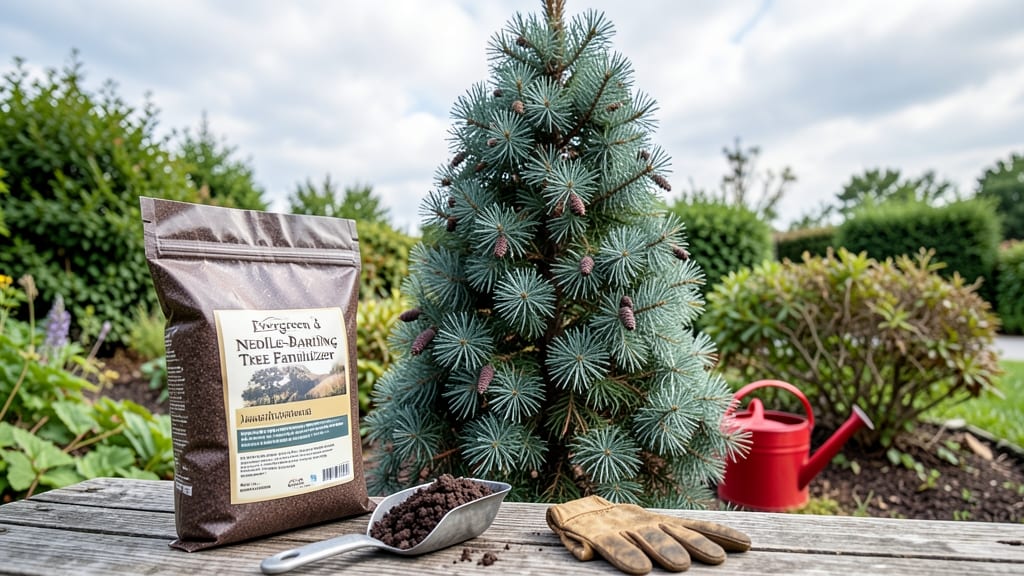
The right cedar tree fertilizer keeps your cedar tree thriving for decades—no guesswork needed.
Struggling to keep your cedar trees lush and healthy year after year? The right slow-release fertilizer can transform weak growth into thriving foliage—without the hassle of frequent applications.
Cedars are tough, but they still need nutrients like nitrogen, phosphorus, and potassium to stay strong. A balanced 10-10-10 blend in early spring or late fall gives them the boost they need without overdoing it.
Below, I’ll break down the best organic and synthetic options, when to apply them, and how to avoid common mistakes that stunt growth. Let’s get your cedar tree growing like a pro!

Best slow-release fertilizers for cedar trees: organic vs synthetic options
Choosing the right slow-release fertilizer for your cedar trees can make all the difference in their long-term health. Cedar trees thrive with balanced nutrition, but they don’t need heavy feeding. The key is selecting a fertilizer that releases nutrients gradually—avoiding spikes that can burn delicate roots.
Whether you prefer organic options or synthetic blends, each has unique benefits for cedar growth and soil health.
Cedars are drought-tolerant and prefer well-draining soil, so their fertilizer should complement these traits. Organic fertilizers like compost or fish emulsion improve soil structure over time, while synthetic options provide precise nutrient ratios.
Both can work, but timing and application matter most. Let’s break down the best choices to keep your cedars vibrant year after year.
🌲 Comparison Table: Organic vs Synthetic Fertilizers for Cedar Trees
| Type | Nutrient Breakdown | Release Time | Best For | Application Tips |
|---|---|---|---|---|
| Organic: Compost | N-P-K: 1-1-1 (varies) | 3-6 months | Soil health, long-term growth | Spread 2-3 inches around root zone in spring |
| Organic: Fish Emulsion | N-P-K: 5-1-1 | 2-4 weeks | Quick nutrient boost, foliage | Dilute 1:10 and water soil in early spring |
| Synthetic: Granular 10-10-10 | N-P-K: 10-10-10 | 3-6 months | Balanced growth, drought-prone areas | Apply 1 lb per 100 sqft in spring/fall |
| Synthetic: Slow-Release Spikes | N-P-K: 14-6-10 | 6-12 months | Minimal maintenance, precise dosing | Insert 1-2 spikes per 100 sqft in early spring |
| Organic: Bone Meal | N-P-K: 3-15-0 | 4-6 months | Root development, phosphorus boost | Mix 1 cup per tree in early spring |
Organic fertilizers like compost and fish emulsion are my top recommendations for cedars because they improve soil microbiology while providing nutrients. Compost, for example, adds organic matter that cedars love, especially in sandy or poor soils.
It releases nutrients slowly, mirroring natural decomposition. Meanwhile, fish emulsion offers a quick nitrogen boost to encourage new foliage growth in early spring.
If you prefer synthetic options, look for granular blends labeled for evergreens or slow-release spikes. A 10-10-10 blend is ideal because cedars don’t need heavy nitrogen—they’re adapted to lean conditions.
Synthetic fertilizers provide consistent dosing, which is great if you’re short on time. Just be cautious with application rates; cedars are sensitive to salt buildup from over-fertilizing.
For young cedar trees, I recommend starting with a light application of either compost or a balanced synthetic fertilizer. Mature cedars, on the other hand, often do well with minimal feeding—just a top-dressing of compost every few years can suffice.
The key is to avoid over-fertilizing, which can lead to burned roots or excessive soft growth that’s prone to pests.
Timing is everything when it comes to fertilizing cedars. The best time to apply is in early spring (March-April) as new growth begins, or in late fall (September-October) to support root development before winter.
Avoid fertilizing during summer droughts or winter dormancy, as the tree won’t use the nutrients efficiently. If you’re using slow-release spikes, insert them in spring and let them work all season.
One common mistake I see is using high-nitrogen fertilizers designed for lawns or flowering plants. Cedar trees don’t need that much nitrogen—they’re evergreens adapted to low-fertility soils. Stick to balanced or low-nitrogen options to prevent foliar burn or weak wood.
If you notice yellowing needles or stunted growth, it might be a sign of over-fertilization or poor soil drainage.
For organic gardeners, combining compost with a mycorrhizal inoculant can further enhance root health. This fungal partnership helps cedars absorb nutrients more efficiently, especially in compacted or clay-heavy soils.
If you’re using synthetic fertilizers, pair them with mulch to retain moisture and regulate soil temperature. A 3-inch layer of pine straw or wood chips works beautifully for cedars.
Remember, cedars are low-maintenance trees, and their fertilizer needs should reflect that. Whether you choose organic or synthetic, the goal is to support natural growth without overdoing it. Start with a small test application, monitor your tree’s response, and adjust as needed.
With the right fertilizer, your cedars will reward you with lush foliage and strong structure for decades.
When and how to apply cedar tree fertilizer for maximum growth
Timing is everything when it comes to fertilizing your cedar trees. Applying fertilizer at the wrong time can stress your trees or even damage their delicate root systems. For optimal growth, focus on two key seasons: early spring and late fall.
These periods align with your cedar's natural growth cycles, ensuring nutrients are used efficiently. Spring feeding jumpstarts new growth, while fall fertilization strengthens roots before winter dormancy.
Before applying any fertilizer, prepare your cedar's root zone properly. Start by removing any old mulch or debris from the base of the tree. This creates space for new fertilizer to reach the roots directly.
Use a garden fork to loosen the top 6 inches of soil—this improves nutrient absorption. Avoid disturbing roots deeper than 12 inches, as cedars have shallow but widespread root systems that need protection.
- Step 1: Choose the right fertilizer Opt for a slow-release, balanced fertilizer (10-10-10 NPK ratio) designed for evergreens. Organic options like composted manure or fish emulsion work well too.
- Step 2: Calculate the correct amount Use 1 pound of fertilizer per 100 square feet of soil. For young cedars, halve the dose to avoid nutrient burn.
- Step 3: Apply in a circular pattern Spread fertilizer in a 12-inch-wide band around the tree's drip line (the outer edge of the canopy). Avoid piling fertilizer near the trunk.
- Step 4: Water thoroughly Deep-water the tree immediately after applying fertilizer to activate nutrients and move them into the soil. Use 15-20 gallons of water for mature trees.
- Step 5: Mulch lightly Add a 2-inch layer of mulch (wood chips or pine straw) to retain moisture and regulate soil temperature. Keep mulch 6 inches away from the trunk.
Watch for signs of over-fertilization, which can be just as harmful as under-fertilization. Yellowing needles, excessive new growth, or brown tips are red flags. If you see these symptoms, flush the soil with water to leach out excess nutrients.
On the other hand, under-fertilization often shows up as stunted growth, pale foliage, or sparse needle production. Adjust your fertilizer schedule accordingly—cedars typically need feeding every 4-6 weeks during their active growing season.
For young cedar trees (under 5 years old), reduce fertilizer applications to once per season in early spring. Their root systems are still developing, and too many nutrients can cause more harm than good.
Mature cedars, however, can handle the full dose twice a year—once in spring and once in fall. Always pair fertilization with a deep watering session to ensure nutrients reach the roots where they're needed most.
Pro tip: Pair your fertilizer routine with regular soil testing to monitor pH levels. Cedar trees prefer slightly acidic soil (pH 5.0-6.5). If your soil is too alkaline, consider adding sulfur or peat moss to adjust the pH before fertilizing.
This small step can make a big difference in how well your cedar absorbs nutrients.
By following this seasonal approach, your cedar trees will reward you with vibrant foliage and robust growth year after year. Remember, consistency is key—cedars respond best to steady, moderate nutrition rather than sporadic heavy feeding. Happy gardening! 🌲