
Container Gardens
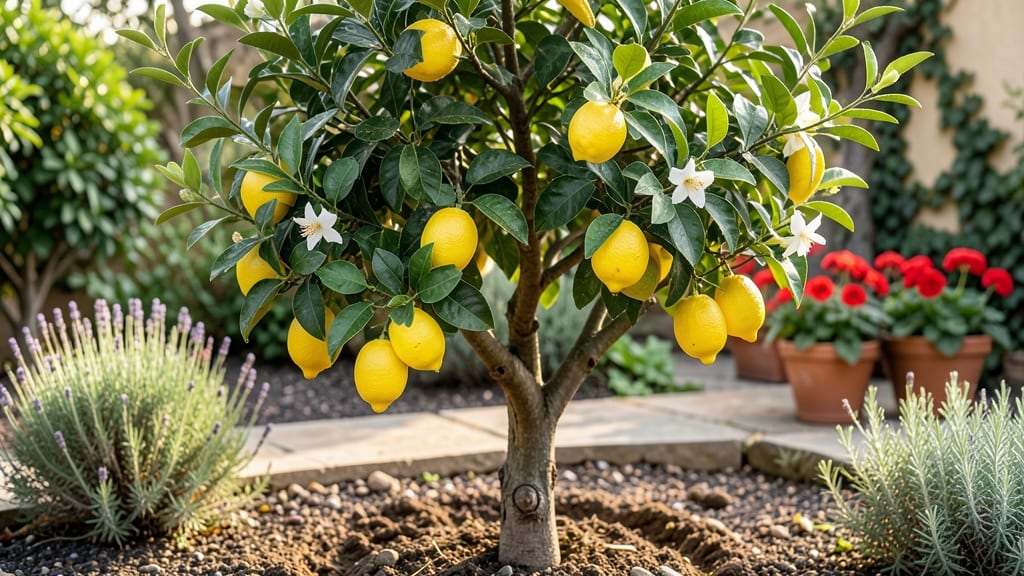
Growing a lemon tree under the right conditions takes patience, but the first bright yellow bloom makes it all worth it. 🌿 The secret to success starts with full sun exposure—at least 6-8 hours daily—and soil that drains like a sandy beach, never holding onto moisture.
Too much water is the #1 killer of young trees, but too little means no fruit.
I learned this the hard way after my first tree’s roots rotted from overwatering. The fix? A well-draining mix of potting soil, perlite, and a handful of coarse sand—plus a pot with drainage holes if you’re growing in a container.
Lemon trees thrive in USDA zones 9-11, but with protection, you can grow them in cooler climates too.
Once established, your tree will reward you with fragrant white blossoms and eventually, those tangy lemons. The key is consistency: water deeply but infrequently, fertilize lightly in spring, and prune to encourage airflow. Even in containers, they can grow 10+ feet tall with proper care.
For cooler climates, bring potted trees indoors before frost or grow them in large containers you can move seasonally. The first harvest might take 3-5 years, but the smell of lemon blossoms in summer is worth every wait.
📚 In This Guide
- What you need
- Instructions
- Tips and common mistakes
- Wrapping up and next steps
What you need
- ● Container: Minimum 15-gallon pot (5-gallon for dwarf varieties).
- ● Must have drainage holes (critical for root health!).
- ○ Optional: Self-watering pot for convenience.
- ● Potting Soil: 50% well-draining citrus or cactus/succulent mix (e.g., Miracle-Gro Citrus, Potting Soil + Perlite).
- ● 50% coarse sand, perlite, or pumice (for aeration).
- ● Lemon Tree: Young bare-root or potted lemon tree (Meyer lemon is beginner-friendly!).
- ○ Optional: Grafted variety for disease resistance.
- ● Gloves (to protect from thorns and soil).
- ● Trowel or shovel (for planting and repotting).
- ● Watering can with a rose attachment (for gentle watering).
- ● pH testing kit (ideal soil pH: 6.0–7.0).
- ● Fertilizer: Citrus-specific fertilizer (e.g., Citrus-Tone, 6-6-6 NPK ratio).
- ○ Optional: Slow-release granules for convenience.
- ○ Mulch: Optional but helpful: Pine bark or straw to retain moisture.
- ● Sunlight access: 6–8+ hours of direct sun daily (south-facing window or outdoor spot).
- ● Temperature: 60–85°F (15–29°C) (avoid frost!).
- ● Humidity: 40–60% (mist leaves occasionally in dry climates).
- ● Water source: Access to chlorine-free water (rainwater or filtered tap water).
Step-by-Step guide to perfect lemon tree growing conditions
Here's how I create the ideal environment for a lemon tree that bears fruit reliably year after year.
☀️ Step 1: Position for Maximum Sunlight
Lemon trees demand 6-8 hours of direct sunlight daily—no compromise. I place mine in a south-facing window where they receive unfiltered morning light and afternoon sun. If growing outdoors, choose a spot with full sun exposure and minimal shade from trees or buildings.
Watch for these signs: leaves should be vibrant green, not yellow or pale. If your tree's new growth looks stretched or weak, it's not getting enough light. Rotate the pot quarter-turn weekly to prevent uneven growth toward the light source.
💧 Step 2: Master Watering Without Overdoing It
Lemon trees hate soggy roots but need consistent moisture. Water when the top 2-3 inches of soil feel dry—stick your finger in to check. In summer, this might mean watering every 3-4 days, while winter care drops to every 7-10 days.
I always water deeply until it runs out the drainage holes, then empty the saucer immediately. Overwatering causes root rot, which kills lemon trees faster than anything else. Yellowing leaves? That's your warning sign to cut back on water.
🪴 Step 3: Ensure Proper Drainage and Soil Mix
Use a well-draining potting mix formulated for citrus—never garden soil. I blend mine with 20% perlite or coarse sand to prevent compaction. The pot must have drainage holes, and I add a layer of ½-inch gravel or broken pottery at the bottom to create air space.
If your tree's leaves start curling or falling, check the roots. Healthy roots should be white or light tan, while rotten roots smell foul and look mushy. Repot every 2-3 years in a container just 2 inches larger in diameter to prevent root-bound stress.
✂️ Step 4: Prune for Airflow and Fruit Production
Prune in late winter or early spring before new growth begins. Remove any dead, diseased, or crossing branches first. Then cut back leggy growth by ⅓ to ½ to encourage bushier shape and more fruit production.
Never prune more than 25% of the tree at once—this stresses the plant and reduces flowering. After pruning, wipe tools with rubbing alcohol to prevent spreading disease. You'll see new growth within 4-6 weeks if the timing is right.
🌡️ Step 5: Maintain Ideal Temperature and Humidity
Lemon trees thrive in temperatures between 60-85°F. Keep them away from drafts, air conditioning vents, or heaters. If your home dips below 50°F at night, move the tree to a warmer spot or provide a heat mat.
Humidity matters too—aim for 40-60% relative humidity. In dry climates, I mist the leaves occasionally or place the pot on a tray of pebbles with water. Watch for brown leaf tips, which signal low humidity or fluoride buildup from tap water (use filtered water if this happens).
Tips & tricks for perfect lemon tree growing conditions
Confession: I learned these tricks after watching my first lemon tree struggle through winter—here's how to avoid the same mistakes.
Light Optimization: That 6-8 hours of sunlight is non-negotiable, but quality matters just as much as quantity. Position your tree near a south-facing window where it receives morning light and afternoon sun—this mimics natural sunlight patterns. I've found that placing my tree on a rotating stand (quarter-turn weekly) prevents it from leaning toward the light source, creating a more balanced growth habit.
Soil Science: The 20% perlite or coarse sand amendment in Step 3 isn't just about drainage—it's about creating an oxygen-rich environment for roots. I've seen trees with perfect drainage but compacted soil still develop root rot because the mix lacked this crucial air space. Test your soil mix by squeezing a handful—it should crumble easily when dry and not hold water when squeezed. For outdoor planting, consider adding worm castings for natural aeration and nutrient boost.
Pruning Precision: When you're cutting back that leggy growth by ⅓ to ½ in Step 4, focus on removing branches that are growing inward or crossing each other. These competing branches steal energy from fruit production. I use sharp, sterilized pruners and make clean cuts just above outward-facing buds. The 4-6 week window for new growth is your reward for precise pruning—don't rush it, but don't wait too long either.
Pro Tips for Lemon Tree Growing Conditions
- Confession: I learned these tricks after watching my first lemon tree struggle through winter—here's how to avoid the same mistakes.
- Light Optimization: That 6-8 hours of sunlight is non-negotiable, but quality matters just as much as quantity.
- Soil Science: The 20% perlite or coarse sand amendment in Step 3 isn't just about drainage—it's about creating an oxygen-rich environment for roots.
Frequently asked questions
Got questions about growing your own lemon tree? You’re not alone! Whether you’re a first-time gardener or a seasoned green thumb, these FAQs will help you navigate the basics—from sunlight needs to troubleshooting common issues. Let’s dive in!
How much sunlight does a lemon tree need daily?
A lemon tree thrives on 6–8 hours of direct sunlight daily. If you’re growing it in a container, place it near a south- or west-facing window or use a grow light for 12–14 hours if indoors. Lack of light? Expect slow growth and fewer (or no) fruits. Pro tip: Rotate the pot occasionally for even sun exposure!
Can lemon trees survive winter indoors or outdoors?
Lemon trees are tender to frost—they’ll die if temps drop below 25°F (-4°C). If outdoors in cold climates, move potted trees indoors before the first frost. Indoors, keep them near a sunny window and maintain 50–70°F (10–21°C) humidity. Pro tip: Reduce watering in winter to prevent root rot!
How often should I water my lemon tree?
Water when the top 1–2 inches of soil feel dry (about 1–2 times per week, more in summer). Overwatering is the #1 killer—ensure pots have drainage holes and use well-draining soil. Signs of overwatering: Yellow leaves, mushy stems, or moldy soil. Less is more!
Why isn’t my lemon tree producing fruit?
Common culprits: insufficient sunlight, young age (takes 3–5 years to bear fruit), or lack of pollination. Hand-pollinate with a small brush if bees aren’t visiting. Also, check for nutrient deficiencies—feed with citrus-specific fertilizer (high in nitrogen for growth, then potassium/phosphorus for fruiting). Patience is key!
Can I grow a lemon tree from a grocery store lemon?
Yes, but it’s hit-or-miss! Save a seed, dry it, plant in moist soil, and keep it warm (70°F/21°C). Germination takes 2–4 weeks, but the tree may take 10+ years to fruit and won’t be true to the parent variety. For faster results, buy a grafted nursery tree!
What pests should I watch for on my lemon tree?
Keep an eye out for scale insects, aphids, and spider mites. Yellow sticky traps help monitor pests. Treat infestations with neem oil or insecticidal soap (spray undersides of leaves). Prevention tip: Inspect new plants before bringing them home!
Wrapping up and next steps
Growing a lemon tree is a rewarding journey that combines patience, care, and a little sunshine! 🌞 With the right growing conditions—like well-draining soil, plenty of sunlight, and consistent watering—your container-grown citrus tree can thrive and even produce delicious fruit.
Whether you're a beginner or a seasoned gardener, these tips will help you nurture a healthy, happy lemon tree.
Now that you’re armed with the knowledge, why not take the next step? Pick your pot, gather your supplies, and start planting! Your future lemons are waiting—let’s make it happen! 🍋✨