
Blooming
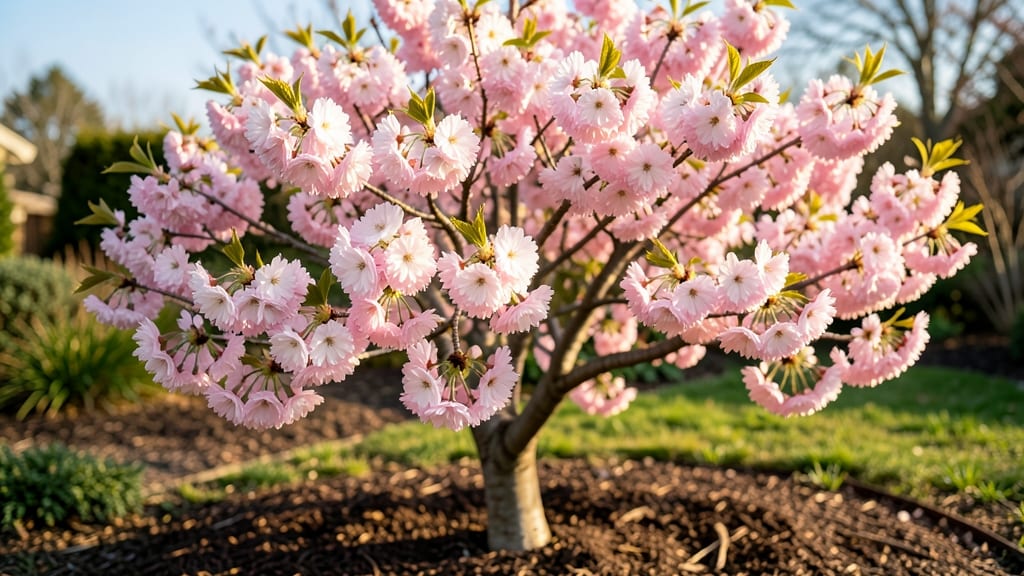
The cherry blossom tree bloom time turns late winter into a dreamy pink spectacle, transforming streets into fleeting canopies of delicate petals—but catching the show depends entirely on where you live.
Picture this: You’ve planned your annual cherry blossom pilgrimage to Washington, D.C., only to arrive and find the trees still bare. Or worse, the petals have already fallen. Timing is everything, and without knowing your local bloom window, you’re playing a game of chance.
That’s why I’ve broken down the exact month-by-month schedule by USDA zone, so you can plan your visit—or your tree’s care—like a pro. Whether you’re chasing the iconic Yoshino blooms or growing your own Kwanzan variety, climate and chill hours shift the calendar dramatically.
Inside, you’ll discover how to read the signs, predict your local bloom time without a guess, and keep your tree thriving after the petals fall. Let’s make sure you’re ready when spring arrives.
Cherry blossom bloom time by USDA zone: exact month-by-month schedule
Timing your cherry blossom viewing or planting depends entirely on your USDA zone. While most people associate these trees with late March to early April, regional microclimates can shift bloom windows by 2-4 weeks.
For example, the Pacific Northwest often sees blooms 2 weeks earlier than the Mid-Atlantic due to milder winters. Understanding these variations helps you plan for the most vibrant color displays and optimal tree care.
Climate plays a crucial role—chill hours (below 45°F) trigger bud break, while warm spells accelerate blooming. In warmer zones like Zone 9-10, some varieties may bloom as early as February, while colder zones like Zone 3-5 might see late-April peaks.
Even within a zone, elevation and urban heat islands can create localized timing shifts of up to 10 days.
Below is your zone-by-zone breakdown, including early bloom, peak bloom, and late bloom windows. I’ve also noted regional exceptions—like how Seattle’s Yoshino trees often bloom 1 week before Washington, D.C.’s famous Tidal Basin trees. Use this as your garden planning calendar or travel guide!
In Zone 3-5, where winters are harsh, cherry blossoms often bloom later due to delayed bud break. However, if you plant a dwarf variety like 'Snow Fountain', you can enjoy blooms 2 weeks earlier than standard trees. These zones also experience shorter bloom durations
How to predict your local cherry blossom bloom time without a USDA zone map
Predicting cherry blossom bloom time without a USDA zone map is easier than you think. Instead of relying solely on climate zones, you can use historical data, weather patterns, and citizen science tools to estimate when your local trees will burst into bloom.
This method works especially well for gardeners planting Yoshino or Kwanzan varieties, which have distinct bloom windows.
Start by checking the National Park Service records for your nearest cherry blossom grove. For example, Washington D.C.'s famous Tidal Basin trees typically bloom in mid-April, but nearby regions like Northern Virginia might see blooms a week earlier.
These records provide a baseline for your area’s average bloom window.
- 1
- 2
- 3
- 4
Cherry blossoms need 500-1,000 chill hours (below 45°F) to bloom. Use a weather station app like Weather Underground to monitor your local chill hours. If your area falls short, blooms may be delayed or sparse.
This citizen science app tracks plant phenology. Input your location to see when nearby cherry blossoms or similar trees bloomed in past years. It’s a goldmine for localized bloom predictions without zone maps.
After 3 consecutive days above 50°F, buds begin swelling. If warm spells arrive early, blooms may start 2-3 weeks sooner than average. Conversely, late cold snaps can delay blooms by 10+ days.
Yoshino blooms earlier (late March–early April) than Kwanzan (mid-April). If you planted a dwarf variety, expect blooms 1-2 weeks later than standard trees in the same climate.
Next, leverage local gardening forums or Facebook groups dedicated to your region. Fellow gardeners often share real-time updates on bloom status, especially during peak bloom season. For example, San Francisco’s cherry blossoms typically bloom in February, while New York City’s trees wait until late April.
For a hands-on approach, mark the first warm day above 40°F in your garden calendar. Cherry blossoms usually bloom 6-8 weeks after this date, though late frosts can push timing back.
If you’re planting a new tree, account for a 2-year adjustment period—young trees may bloom 1-2 weeks later than mature ones.
Finally, combine these methods with a bloom checklist. Note the bud swell date, first pink buds, and peak bloom day. Over time, you’ll refine your predictions to within 3-5 days of accuracy—no zone map required! 🌸