
Trees
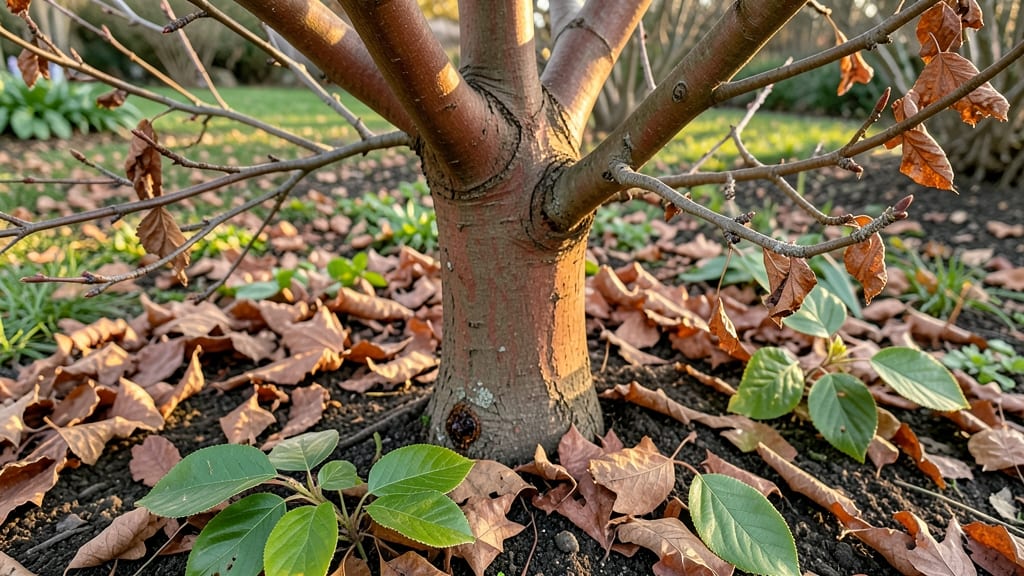
Your cherry tree’s brown leaves aren’t a death sentence—just a cry for help. 🌳 I’ve nursed back more than my share of struggling cherries, and the fixes are simpler than you’d think, whether it’s thirsty roots, hungry soil, or unseen pests stealing nutrients.
The key is pinpointing the exact stressor first.
Most brown leaves start with watering gone wrong—either too much (root rot) or too little (heat stress). Then come pests like spider mites or scale insects, which suck sap until leaves crisp like autumn leaves in July.
Don’t overlook nutrient deficiencies: yellowing between veins? That’s classic iron chlorosis, common in alkaline soils.
Within 2-3 weeks of targeted fixes—like deep watering, neem oil sprays, or a balanced fertilizer—you’ll see fresh green shoots pushing through. The best part? These solutions work for both young saplings and mature trees, saving you from losing your shade or fruit harvest.
Prevention is easier than cleanup: mulch to retain moisture, monitor for pests weekly, and test your soil every 2-3 years. Your tree’s lushness isn’t just possible—it’s within reach with the right approach.
Understanding Root Causes
Brown leaves on your cherry tree aren’t just a cosmetic issue—they’re a cry for help from your tree. Before you reach for the pruners, it’s critical to diagnose the real reason behind the discoloration.
Below, we break down the most common culprits, backed by science, so you can address the problem at its source.
🌡️ Extreme Heat or Drought
Cherry trees are sensitive to water fluctuations, and prolonged drought or scorching temperatures can trigger rapid leaf browning.
When roots struggle to absorb enough water, the tree’s vascular system shuts down to conserve moisture, causing leaves to dry out and turn brown—often starting at the edges and moving inward. This is called marginal scorch.
- Why it happens: High temperatures increase transpiration (water loss through leaves), while dry soil reduces water uptake. The tree prioritizes survival by sacrificing older leaves first. - Actionable fix: Deep watering 2–3 times per week (1–2 inches of water per session) during dry spells.
Use mulch (3–4 inches thick) to retain moisture and protect roots from heat stress.
❄️ Cold Damage or Frost
Late spring frosts or sudden cold snaps can burn tender new leaves, causing them to darken, crisp, or fall prematurely. Cherry trees (especially ornamental varieties) are particularly vulnerable when buds break too early.
- Why it happens: Cell membranes rupture when exposed to temperatures below 28°F (-2°C), leading to oxidative stress and leaf necrosis. - Actionable fix: Monitor frost forecasts and cover young trees with frost cloth if temperatures dip unexpectedly.
Plant cold-hardy varieties (e.g., Prunus serrulata ‘Kwanza’ for Zone 5+) if your climate is unpredictable.
💨 Wind or Salt Burn
Salt spray from nearby roads or strong, desiccating winds can strip moisture from leaves, causing them to brown and curl. Coastal areas or urban settings with high salt exposure are hotspots for this issue.
- Why it happens: Salt disrupts osmosis in leaf cells, while wind increases evaporation faster than roots can replenish water. - Actionable fix: Rinse leaves with water (if salt is the issue) and install a windbreak (e.g., a fence or hedge) to shield the tree.
Avoid fertilizing with salt-based products near the root zone.
💀 Lack of Essential Nutrients
Brown, brittle leaves often signal a mineral deficiency, with each nutrient causing distinct symptoms:
| Nutrient Deficiency | Leaf Symptoms | Quick Fix |
|---|---|---|
| Nitrogen (N) | Pale yellow leaves, stunted growth | Apply balanced fertilizer (10-10-10) in spring. |
| Potassium (K) | Brown edges ("scorch"), weak stems | Use potassium sulfate or banana peel tea. |
| Magnesium (Mg) | Yellow patches between veins (interveinal chlorosis) | Add Epsom salt (1 tbsp/gallon water) as a foliar spray. |
| Iron (Fe) | Yellowing between veins (common in alkaline soil) | Apply chelated iron or adjust soil pH with sulfur. |
- Why it happens: Poor soil quality, compacted roots, or improper pH levels block nutrient uptake. Cherry trees thrive in slightly acidic soil (pH 6.0–6.5)—test yours with a soil kit to confirm. - Actionable fix: Conduct a soil test and amend with compost or organic matter (e.g., leaf mold).
For severe deficiencies, use slow-release fertilizers in early spring.
🐜 Sap-Sucking Insects
Pests like spider mites, aphids, or scale insects pierce leaves to feed on sap, injecting toxins that cause yellowing, browning, or stippling. Heavy infestations weaken the tree, making it susceptible to secondary infections.
- Why it happens: These insects disrupt photosynthesis by damaging leaf cells, leading to chlorosis (loss of green pigment) and eventual browning.
- Actionable fix:
- Blast off pests with a strong jet of water (early morning).
- Use neem oil (1 tsp/gallon water) or insecticidal soap for mild cases.
- For severe infestations, apply horticultural oil in late winter/early spring (before buds swell).
🍄 Fungal or Bacterial Infections
Diseases like powdery mildew, leaf spot, or bacterial leaf scorch thrive in humid conditions and cause brown, crinkled, or spotted leaves. Fungal spores often appear as white powder or dark lesions, while bacterial infections may show water-soaked spots that turn brown.
- Why it happens: Overhead watering, poor air circulation, or stressed trees create ideal conditions for pathogens. Bacterial leaf scorch, for example, clogs the tree’s water-conducting vessels (xylem), starving leaves of moisture.
- Actionable fix:
- Prevent fungal spread by watering at the base (not overhead) and ensuring 6–8 feet of spacing between trees for airflow.
- Prune infected branches (sterilize tools with 70% alcohol) and dispose of debris.
- Treat fungal issues with copper fungicide or baking soda spray (1 tbsp baking soda + 1 tsp oil + 1 gallon water).
✂️ Over-Pruning or Root Disturbance
Aggressive pruning (especially in late summer/fall) or root damage from construction/foot traffic can shock the tree, leading to premature leaf drop and browning.
- Why it happens: Cherry trees rely on balanced growth—removing too many leaves or roots disrupts the photosynthesis-to-respiration ratio, causing stress.
- Actionable fix:
- Prune only in late winter/early spring (dormant season) to avoid stressing the tree.
- If roots are damaged, water deeply and apply mycorrhizal fungi to aid recovery.
🚫 Chemical Overload
Overuse of herbicides, pesticides, or even excess fertilizer can burn leaves, causing them to brown and crisp. Salt buildup from fertilizers or hard water can also osmotically dry out leaf tissues.
- Why it happens: High salt concentrations in soil disrupt cell function, while chemicals like glyphosate (if sprayed nearby) can be absorbed through leaves or roots.
- Actionable fix:
- Flush the soil with water if fertilizer burn is suspected.
- Avoid broadleaf herbicides near cherry trees (they’re sensitive to 2,4-D).
- Use organic fertilizers (e.g., composted manure) to reduce salt risk.
Pro Tip: 💡 Keep a symptom journal! Note when browning starts (e.g., after a heatwave or pest outbreak), the leaf pattern (edges vs. entire leaf), and any other changes (e.g., wilting, spots). This helps pinpoint the exact cause faster.
Revive Your Cherry Tree Now
Brown leaves on your cherry tree don’t have to mean goodbye to its lush green beauty—with the right care, you can nurse it back to health! Below are practical, step-by-step solutions tailored to the most common causes of browning leaves, plus prevention tips to keep your tree thriving.
Cause: Overwatering or underwatering stresses roots, leading to leaf discoloration.
How to Fix It: 🔥 Check soil moisture – Stick your finger 2-3 inches deep. If dry, water deeply; if soggy, hold off. 🍳 Water deeply but less often – Aim for 1-2 inches per week (adjust for rain). Use a soaker hose or drip irrigation to avoid surface runoff. 👨🍳 Improve drainage – Amend heavy clay soil with compost or sand to prevent waterlogging. ⏰ Water in the morning – Reduces evaporation and fungal risks.
Prevention Tip: 💡 Mulch around the base (2-3 inches of organic mulch) to retain moisture and regulate soil temp.
Cause: Aphids, spider mites, or scale insects drain nutrients, causing leaves to brown and curl.
How to Fix It: 🔥 Inspect leaves – Look for sticky residue (honeydew), tiny webs, or tiny bugs on undersides. 🍳 Blast off pests – Spray with a strong stream of water to dislodge them. 👨🍳 Use neem oil or insecticidal soap – Mix 1 tsp neem oil + 1 tsp mild soap per quart of water and spray thoroughly. ⏰ Introduce beneficial insects – Ladybugs and lacewings eat pests naturally.
Prevention Tip: 🌡️ Keep trees healthy – Strong trees resist pests better! Prune for airflow and fertilize in early spring.
Cause: Extreme temps, dry winds, or sudden temperature swings scorch leaves.
How to Fix It: 🔥 Shade sensitive trees – Use lightweight shade cloth (30-50%) during heatwaves. 🍳 Protect from wind – Plant windbreaks (like shrubs) or use burlap wraps on young trees. 👨🍳 Deep water before extreme weather – Helps roots withstand stress. ⏰ Avoid late-season fertilizing – New growth is more vulnerable to cold snaps.
Prevention Tip: 🎯 Choose the right location – Plant cherry trees where they get morning sun and afternoon shade in hot climates.
Cause: Fungi like anthracnose or powdery mildew thrive in damp conditions, causing brown spots.
How to Fix It: 🔥 Prune infected branches – Remove and dispose of (don’t compost!) severely damaged leaves. 🍳 Apply fungicide – Use copper fungicide or baking soda spray (1 tbsp baking soda + 1 quart water + a drop of soap). 👨🍳 Improve airflow – Thin out dense branches to reduce humidity. ⏰ Water at the base – Avoid wetting leaves to prevent spore spread.
Prevention Tip: ✨ Clean up fallen leaves – Rake and remove debris where fungi hide.
Cause: Lack of nitrogen, iron, or magnesium turns leaves yellow/brown.
How to Fix It: 🔥 Test your soil – A simple DIY test kit (or lab test) reveals deficiencies. 🍳 Fertilize correctly –
- Nitrogen (yellow leaves): Use balanced fertilizer (10-10-10) in early spring.
- Iron (yellow veins): Apply chelated iron or use Epsom salt (1 tbsp per gallon of water).
👨🍳 Add compost – Work 2-3 inches of compost into the topsoil annually. ⏰ Avoid over-fertilizing – Too much can burn roots!
Prevention Tip: 💪 Feed in early spring – Cherry trees need nutrients before new growth starts.
Final Thought: Most brown leaves are reversible with quick action—check your tree’s needs, adjust care, and watch it bounce back! For persistent issues, consult a local arborist to diagnose deeper problems. 🌳✨
Frequently asked questions about cherry tree brown leaves
Why do cherry tree leaves turn brown in patches rather than all at once?
Patchy browning usually signals pest damage (like spider mites) or nutrient deficiencies (such as potassium or magnesium). These issues affect leaves unevenly because pests target specific areas, while deficiencies appear first on older or stressed leaves. Check for tiny webs or yellowing between veins to confirm.
Can I save my cherry tree if half the leaves are already brown?
Yes! Act fast by pruning damaged leaves (sterilize tools first) and addressing the root cause. If it's drought, deep water 2-3 times per week for 2-3 weeks. For pests, neem oil sprays work within 7-10 days. Most trees recover fully with proper care—just avoid fertilizing until new growth appears.
How do I tell if my cherry tree needs water or fertilizer?
Check the soil: if it's dry 2-3 inches deep, water deeply. If leaves are yellow between veins (iron deficiency) or brown at edges (potassium deficiency), test your soil pH and amend with compost or Epsom salt (for magnesium). Overwatering causes soggy soil, while underwatering shows as crispy, curled leaves.
Will brown leaves fall off my cherry tree naturally?
Some may drop, but brown leaves often stay attached until they're fully crispy. Prune them off to reduce stress on the tree and prevent disease spread. If leaves fall prematurely (before turning brown), it could signal root damage or severe pest infestation—address the issue immediately to protect next year's growth.
Can I use household items to fix brown leaves on my cherry tree?
For fungal issues, mix 1 tbsp baking soda + 1 quart water + a drop of soap as a spray. For pests, dilute 1 tsp dish soap in 1 quart water (test on a small area first). Coffee grounds (worked into soil) add nitrogen, while Epsom salt (1 tbsp/gallon water) treats magnesium deficiency. Just avoid salt-based products near roots.