
Pruning
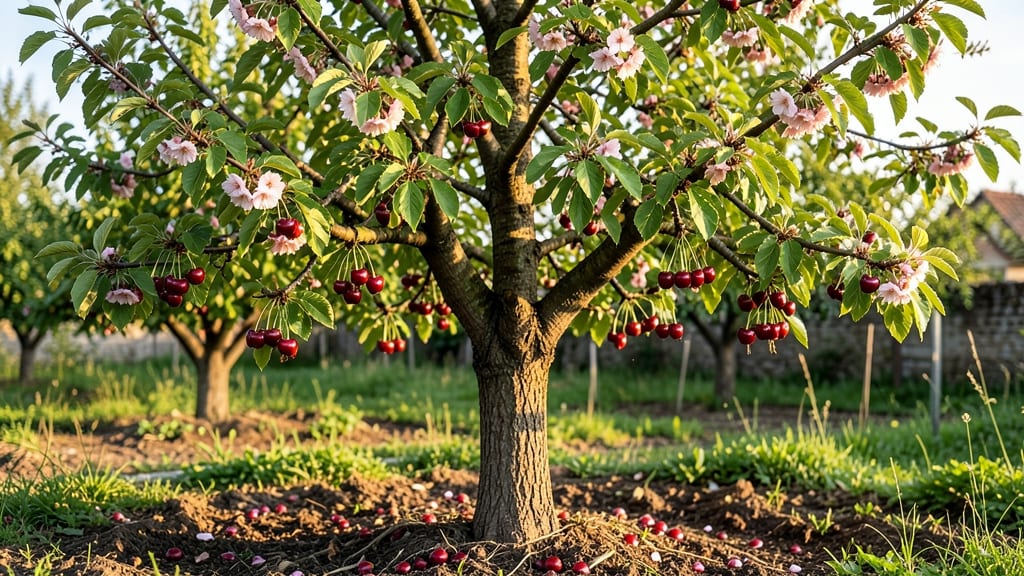
Planting a cherry tree in the wrong climate zone means watching it struggle—or worse, die—before it ever bears fruit. 🌳 I’ve seen firsthand how a single degree difference can turn a thriving orchard into a sad, skeletal branch show.
The right zone isn’t just about survival; it’s about juicy, sweet harvests that make summer worth waiting for.
Most sweet cherries (like Bing or Rainier) thrive in USDA Zones 5-7, where winters are cold enough to break dormancy but not so harsh they freeze the buds.
Sour cherries (Montmorency, Balaton) are tougher, stretching from Zones 3-8, but they need at least 500 chill hours below 45°F to set fruit properly. Microclimates matter too—your backyard might be Zone 6, but a south-facing slope could push it to Zone 7.
Here’s the game-changer: cold hardiness isn’t the only factor. Heat tolerance is just as critical—cherries in Zones 8+ need afternoon shade or drought-resistant rootstocks to avoid wilting by July.
The payoff? A tree that lives for decades, producing hundreds of pounds of fruit each season instead of fighting just to stay alive.
Whether you’re in the Pacific Northwest’s mild winters or the Deep South’s long summers, I’ll show you how to pick the perfect variety—and where to plant it—for reliable blooms, not heartbreak. Let’s get those roots in the right spot.
📚 In This Guide
- What you need
- Instructions
- Tips and common mistakes
- Wrapping up and next steps
What you need
- ● USDA Hardiness Zone Map: Printed or digital access (free from USDA Plant Hardiness Zone Map)
- ● Cherry tree saplings: 1–3 trees (dwarf, semi-dwarf, or standard varieties, depending on space)
- ● Soil test kit: To check pH (6.0–6.5 ideal) and nutrient levels
- ● Organic compost: 5–10 gallons (for amending soil)
- ● Mulch: 2–3 inches of wood chips or straw (to retain moisture)
- ● Pruning tools: Bypass pruners (for small branches)
- ● Loppers (for thicker branches, 1–2 inches)
- ● Hand saw (for large limbs, 3–4 inches)
- ● Fertilizer: Balanced 10-10-10 or slow-release cherry-specific formula
- ● Drip irrigation or hose: For consistent watering (1–2 gallons per tree, 2–3x/week)
- ● Frost cloth: For young trees in Zone 5 or colder (💡 Pro Tip: Use during late spring blooms to protect flowers from frost!)
- ● Tree stakes & ties: 2–4 stakes (for support in windy zones like Zone 6+)
- ● Bird netting: To protect fruit from pests in Zones 7–9
- ● Soil conditioners: Gypsum or sulfur (if adjusting pH)
- ● GPS or mapping app: To track microclimates in your yard (e.g., sunny vs. shaded spots)
Understanding cherry tree climate Zones for successful planting
Here's how to match your region to the perfect cherry varieties for lush growth and abundant fruit.
🌱 Step 1: Identify Your USDA Hardiness Zone
Find your exact USDA Plant Hardiness Zone using the official [USDA Interactive Map](https://planthardiness.ars.usda.gov/). Enter your ZIP code to reveal your 10-digit zone (e.g., Zone 6a or Zone 8b). This number determines which cherry varieties will thrive in your area—some need Zone 5 winters, while others tolerate Zone 9 heat.
Look for your zone on the map, then jot down the minimum winter low (e.g., -10°F to 0°F for Zone 6). Sweet cherries typically need Zone 5 or colder, while tart cherries often survive in Zone 4. Write this down—it’s your planting guide.
☀️ Step 2: Match Cherry Varieties to Your Zone
Sweet cherries (like Stella or Bing) thrive best in Zones 5-7, where winters are cold enough to break dormancy but not so harsh they damage buds. Tart cherries (such as Montmorency or Balaton) often handle Zones 4-8, making them more versatile for cooler climates.
Check the cold hardiness range on seed packets or nursery tags—some varieties specify Zone 5-9, while others warn against Zone 10+ due to heat stress. If you’re in Zone 8 or warmer, opt for low-chill varieties like Stella to ensure proper fruit set.
⏰ Step 3: Plan for Chill Hours and Bloom Timing
Cherry trees need 200-1,000 chill hours (below 45°F) to produce fruit. If you’re in Zone 9-10, choose low-chill varieties (under 300 hours). In Zones 5-7, most standard cherries will work, but verify chill requirements—Bing needs 500+ hours, while Rainier thrives with 300-600 hours.
Bloom timing also matters: Plant early-blooming varieties (like Montmorency) in Zones 4-6 to avoid late frosts. In Zones 7-9, late-blooming types (such as Stella) reduce frost risk. Check local frost dates—planting too early can mean lost blossoms.
🪴 Step 4: Adjust Soil and Microclimate for Zone Success
Even in the right zone, soil drainage and sun exposure can make or break a cherry tree. In Zones 5-7, ensure well-draining soil to prevent winter root rot. In Zones 8-10, provide afternoon shade to protect fruit from scorching. Mulch with 3-4 inches of organic matter (like wood chips) to regulate soil temperature year-round.
If your zone is on the edge (e.g., Zone 7b), consider microclimate tweaks: Plant near a south-facing wall for extra warmth or use row covers in spring to delay frost damage. In Zone 4, protect young trees with burlap wraps to shield from harsh winds.
✂️ Step 5: Prune and Protect Based on Zone Needs
In Zones 5-7, prune in late winter (before buds swell) to shape trees and remove dead wood. In Zones 8-10, prune in early spring to avoid heat stress. Always sterilize pruners with rubbing alcohol to prevent bacterial canker, a common issue in humid zones.
Watch for zone-specific pests: In Zones 6-8, cherry fruit flies thrive—use row covers at bloom time. In Zones 4-5, winter moths can damage buds—apply dormant oil sprays in late fall. Adjust care based on your zone’s biggest threats.
Tips & tricks for perfect cherry tree planting in your climate Zone
Matching your cherry tree to your climate zone isn't just about survival—it's about thriving. These practical insights will help you navigate the nuances of zone-specific cherry care.
Zone-Specific Variety Selection: When choosing between sweet and tart cherries, remember that tart varieties like Montmorency often handle colder zones (Zone 4-5) better than their sweet counterparts. For Zone 6-7, Stella sweet cherries excel with their lower chill requirements (300-600 hours), while Bing cherries need that full 500+ hours. I always verify the exact chill hours on the tag—some nurseries understate this critical detail.
Chill Hour Clarification: The 200-1,000 chill hour range might seem broad, but it's about matching your zone's winter patterns. In Zone 9-10, those low-chill varieties under 300 hours become essential. I've seen many gardeners in hotter zones struggle with standard varieties because they didn't account for the reduced chill accumulation. Check your local weather records for average winter temperatures below 45°F—this gives you a more precise chill hour estimate than just relying on zone numbers.
Microclimate Mastery: Your specific microclimate can create a zone within a zone. A south-facing slope in Zone 5 might reach Zone 6 temperatures during summer, while a low-lying area could be colder. I've successfully grown Zone 6 cherries in Zone 5 by planting them on a warm microclimate spot near my house. Consider using row covers or windbreaks to create microclimates that extend your tree's growing potential, especially in borderline zones like 7b.
Pruning Precision: That late winter pruning window in Zones 5-7 is crucial—pruning too early can stimulate new growth that gets damaged by winter cold. In warmer Zones 8-10, early spring pruning prevents heat stress on fresh cuts. I sterilize my pruners with rubbing alcohol between cuts to prevent bacterial canker, which is particularly aggressive in humid Zone 6-8 areas. This simple step has saved me from losing multiple trees to this common disease.
Pro Tips for Cherry Tree Climate Zone
- Matching your cherry tree to your climate zone isn't just about survival—it's about thriving.
- Zone-Specific Variety Selection: When choosing between sweet and tart cherries, remember that tart varieties like Montmorency often handle colder zones (Zone 4-5) better than their sweet counterparts.
- Chill Hour Clarification: The 200-1,000 chill hour range might seem broad, but it's about matching your zone's winter patterns.
Frequently asked questions
What USDA climate zones do cherry trees thrive in?
Sweet cherries typically grow best in USDA Zones 5-7, while tart cherries (like Montmorency) can handle Zones 4-8. Always check your local microclimate—some varieties tolerate brief dips below their zone range if protected from harsh winds.
Can I grow cherry trees in warmer climates like Zone 9 or 10?
Most cherry trees struggle in Zones 9+ due to heat stress and poor fruit set. However, sour cherry varieties like ‘Meteor’ or dwarf varieties (e.g., ‘Stella’) may adapt with partial shade, consistent watering, and afternoon shade during peak summer.
How long does it take for a cherry tree to bear fruit?
Dwarf varieties may produce fruit in 2-3 years, while standard trees can take 4-7 years. Patience is key—young trees focus on root and branch growth first. Pruning in late winter (Zone 5-7) encourages earlier fruiting.
Why aren’t my cherry tree’s flowers turning into fruit?
Common culprits include late frost damage (Zones 5-6), poor pollination (plant two varieties), or nutrient deficiencies (test soil for boron/zinc). Thin fruit early to improve size—overcrowded branches reduce yields.
Are there cherry tree alternatives for colder/hotter zones?
For Zone 3 or colder, try hardy ‘North Star’ tart cherries. For Zones 10+, consider Mediterranean cherries (Prunus avium ‘Stella’) or dwarf sour cherries in containers. Japanese cherries (Prunus serrulata) are ornamental but non-fruiting!
Wrapping up and next steps
Choosing the right cherry tree climate zone is the first step toward a bountiful harvest—whether you're a seasoned gardener or just starting out! 🌱 With the right USDA zone, soil prep, and care, your cherry tree can thrive and reward you with delicious fruit for years to come.
Now that you’re armed with hardiness insights, it’s time to roll up your sleeves and pick your perfect spot.
Your next step? Mark your calendar for planting season (fall or early spring) and gather your tools. Ready to grow something sweet? Start planting today! 🍒