
Pruning
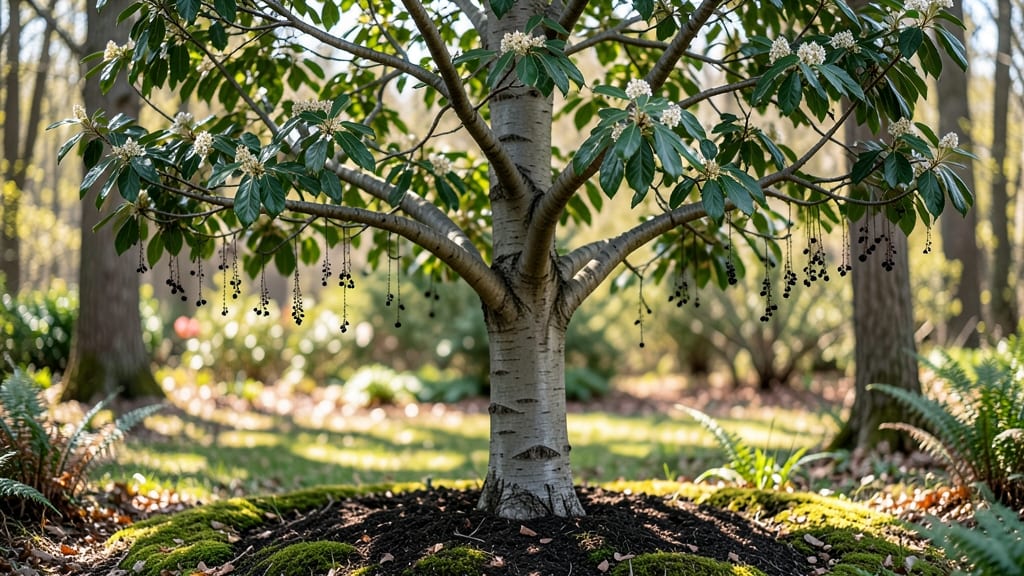
Your North Carolina cherry tree could produce 50% more fruit this year with just a few strategic cuts. ✂️ I’ve pruned sweet and sour cherries across NC’s zones 7-8 for years, and the difference between a neglected tree and a well-maintained one is shocking—especially when humidity and pests like the cherry fruit fly are always lurking.
The secret isn’t complicated: prune during dormant season (late winter), remove dead wood first, then thin out crowded branches to let sunlight reach the center. Most gardeners over-prune or cut at the wrong angle, which stresses the tree and invites disease.
I’ll show you the exact technique that keeps my trees healthy and productive for decades. By summer, you’ll see fuller canopies, fewer fruit flies, and clusters of cherries that actually ripen evenly. The best part?
These methods work for both sweet varieties like ‘Stella’ and sour ‘Montmorency,’ no matter which side of the state you’re on. Ready to transform your tree? Let’s get those pruners sharp and start shaping that harvest.
📚 In This Guide
- What you need
- Instructions
- Tips and common mistakes
- Wrapping up and next steps
What you need
- ○ Pruning shears – Bypass pruners (sharp, 6–8" blades) for small branches (under ½” thick). Optional: Anvil pruners (for thicker branches, but risk crushing wood).
- ● Loppers – 18–24" long, for branches ½–2” thick. Look for ratchet-style for easier cutting.
- ● Pruning saw – Curved-tooth (avoids tearing wood) for branches >2” thick. Pro tip: Use a folding saw for hard-to-reach spots! 🔧
- ● Disinfectant – 70% isopropyl alcohol or bleach solution (1 part bleach : 9 parts water) to sterilize tools (prevents disease spread).
- ● Heavy-duty gloves – Leather or nitrile-coated (thorns + protection from sap).
- ● Ladder – Aluminum extension ladder (20–30 ft), stable and wide-based for tall trees. Safety first: Use non-slip steps and a spotter if working alone!
- ● Tarp or drop cloth – 10x12 ft to collect debris and protect landscaping.
- ○ Sealing wax or pruning paint – Optional but helpful for large cuts (>1” diameter) to prevent disease entry.
- ● Timing – Prune dormant season (late winter/early spring, before buds swell) for sweet cherries (Prunus avium) or summer (after harvest) for tart cherries (Prunus cerasus). Avoid pruning during NC’s rainy season (spring/fall) to reduce fungal risks.
- ● Weather – Choose a dry, overcast day (tools stay sharp longer, and cuts heal faster).
- ● Tree Health Check – Inspect for cherry leaf spot (common in NC) or silver leaf fungus before pruning. Quarantine infected branches immediately! 🚨
- ● Local Regulations – Check with your NC county extension office for tree protection ordinances (some areas restrict pruning near property lines).
Instructions for pruning your cherry tree in North Carolina
Here’s how to shape your tree for health and fruit production—timing and technique matter most in our humid climate.
✂️ Step 1: Prune in Late Winter or Early Spring
North Carolina’s mild winters mean you can prune your cherry tree as late as early March—just before buds swell. This timing prevents silver leaf disease, which thrives in wet conditions. I always wait until after the last hard frost (check your zone) to avoid stressing the tree when it’s still dormant.
Use clean, sharp pruners to make cuts at a 45-degree angle just above a bud or branch collar. Avoid tearing the bark—rough cuts invite pests. If your tree is young, focus on removing dead, crossing, or inward-growing branches first. These compete for energy and reduce airflow, which is critical in our humid summers.
☀️ Step 2: Thin the Canopy for Sunlight and Airflow
Cherry trees need full sun to produce fruit, so thin the canopy to let light reach the center. Remove 10-20% of the smallest branches first—these are often crowded and weak. Look for branches growing straight up or rubbing against others; these should go next. I like to step back every few cuts to visualize the tree’s shape.
In North Carolina’s heat, poor airflow leads to fungal issues like powdery mildew. Aim for a well-ventilated structure with branches spaced 8-12 inches apart. If your tree has thick clusters of branches, prioritize thinning those first—they’re the most prone to disease.
🌱 Step 3: Shape for Fruit Production
Cherry trees bear fruit on one-year-old wood, so encourage new growth by pruning back overly vigorous branches by one-third. Cut just above a healthy outward-facing bud to promote growth in the right direction. Avoid cutting into old wood—it won’t produce fruit and weakens the tree.
For dwarf varieties, keep the height manageable by trimming the topmost branches. Standard trees should have a central leader (main upward branch) with scaffold branches (larger side branches) spaced evenly. If your tree has multiple leaders, remove all but the strongest to avoid a weak structure.
💧 Step 4: Clean Up and Monitor for Damage
After pruning, sterilize your tools with rubbing alcohol to prevent spreading disease. Collect and dispose of pruned branches—don’t leave them under the tree, as they can harbor pests. If you notice sawdust-like frass (insect droppings) or holes in leaves, your tree may have borers or mites; treat with neem oil if needed.
Water the base of the tree deeply after pruning to help it recover. Mulch with 2-3 inches of organic material (like wood chips) to retain moisture and regulate soil temperature. Check the pruned areas in 2-3 weeks—healthy new growth should appear within that time.
⏰ Step 5: Summer Pruning for Maintenance
If your tree looks overgrown by mid-summer, do a light pruning to remove suckers (shoots growing from the base) and water sprouts (fast-growing vertical shoots). These steal energy from fruit production. Cut these back to the main trunk or scaffold branch—just above a bud.
This is also the time to thin out fruit clusters if they’re too dense. Leave 6-8 cherries per cluster to ensure they ripen evenly. Overcrowded fruit leads to small, underripe cherries—something you don’t want in North Carolina’s heat.
Tips & tricks for pruning cherry trees in North Carolina
North Carolina’s climate demands special attention when pruning—these tricks will help you avoid common pitfalls and maximize your harvest.
Timing is Everything: The early March window is critical because it balances disease prevention with dormancy. If you miss it, pruning too early risks frost damage, while waiting too long stresses the tree as it wakes up. Check your local frost dates—Zone 7b (common in NC) typically sees last frosts around late February to early March. I always mark my calendar a week before to prepare tools and schedule the job.
Branch Angle Matters: That 45-degree angle isn't arbitrary—it creates a natural water-shedding surface that prevents water from pooling at the cut. Use a small pencil or ruler as a guide if you're unsure about the angle. For young trees, I even sketch a quick diagram of where I'll make cuts before starting. This prevents over-pruning and helps visualize the final shape.
Disease Prevention: Sterilizing tools between cuts is non-negotiable in NC's humidity. I keep a small bottle of rubbing alcohol in my tool belt and wipe pruners after every 3-4 cuts. For older trees with thick branches, consider using a pocketknife to scrape away any old bark at the cut site—this removes potential disease hiding spots. The 2-3 inch mulch layer you add afterward also helps by creating a moisture barrier that reduces fungal spores from splashing onto the trunk.
Visualizing the Canopy: Stepping back every 10-15 minutes forces you to see the tree's structure objectively. I've made the mistake of getting too focused on individual branches and ending up with an uneven shape. For thick canopies, I use a string line to create a reference for branch spacing—this is especially helpful for standard trees where you want that 8-12 inch spacing between scaffold branches.
Pro Tips for Cherry Tree North Carolina
- North Carolina’s climate demands special attention when pruning—these tricks will help you avoid common pitfalls and ...
- Timing is Everything: The early March window is critical because it balances disease prevention with dormancy. If you...
- Branch Angle Matters: That 45-degree angle isn't arbitrary—it creates a natural water-shedding surface that prevents ...
Frequently asked questions
Got questions about pruning cherry trees in North Carolina?
You’re not alone! Here are answers to the most common queries to help you grow a thriving orchard.
When is the best time to prune cherry trees in NC?
For sweet cherries, prune in late winter or early spring (February–March) before buds swell. Sour (tart) cherries can also be pruned in summer (June–July) to reduce disease risk. Avoid pruning in fall—it invites fungal infections like brown rot, common in NC’s humid climate.
Can I prune cherry trees during a cold snap?
No, wait until temperatures stay above freezing (32°F+) for at least 48 hours. Cold stress weakens trees, making them vulnerable to disease. If you must prune in winter, do so on a warm, sunny day to minimize shock. NC’s unpredictable winters mean checking forecasts is key!
How do I know if I’ve pruned my cherry tree too much?
Signs of over-pruning include:
- Stunted growth (little to no new shoots by late spring)
- Leaf yellowing or wilting (sign of stress)
- Fewer flowers/fruit the following year
Why are my cherry tree leaves curling after pruning?
Curling leaves often signal pest infestations (e.g., aphids, mites) or disease (like cherry leaf spot). Check undersides of leaves for tiny bugs or dark spots. Treat with neem oil or insecticidal soap for pests, or apply copper fungicide for fungal issues. Prune infected branches immediately and sterilize tools with rubbing alcohol.
Are there NC-friendly cherry tree alternatives if pruning seems too tricky?
Yes! Consider these low-maintenance options:
- ‘Stella’ or ‘Black Tartarian’ sour cherries—disease-resistant and cold-hardy (Zone 5–9)
- ‘Rainier’ or ‘Bing’ sweet cherries—thrive in NC’s Piedmont/Coastal Plain with minimal pruning
- Dwarf varieties (e.g., ‘Montmorency’)—easier to manage and produce fruit faster
Wrapping up and next steps
North Carolina’s cherry trees thrive with the right pruning care—whether you’re shaping a young sapling or maintaining a mature orchard.
By following season-specific techniques, using the right tools, and addressing common challenges like pests or disease, you’ll set your trees up for abundant, healthy harvests for years to come. 🌳✨
Ready to roll up your sleeves? Start small: pick one tree this season to practice your skills, and soon, you’ll be pruning like a pro! For extra guidance, consult your local NC Cooperative Extension or join a gardening group to swap tips with fellow Tar Heel growers.