
Trees
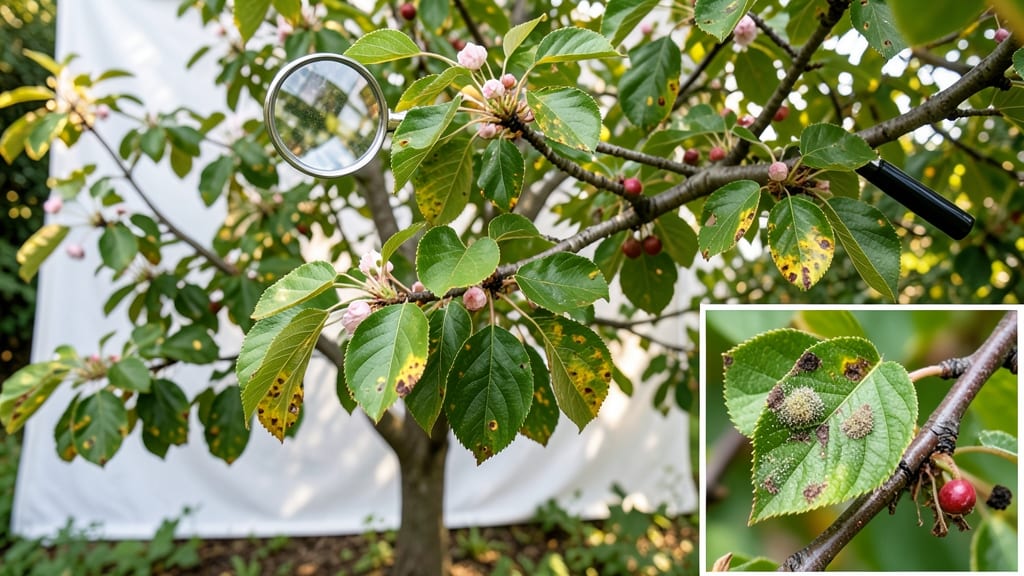
Your cherry tree’s leaves are showing problems—yellow patches, brown spots, or weird webbing—before they fall. 🌿 The good news? Most issues have quick fixes if you catch them early, whether it’s fungal diseases like brown rot or pests like spider mites sucking the life out of your tree.
Start by identifying the problem: Are the spots powdery (mildew), sticky (aphids), or sunken (bacterial)? Once you know the culprit, you can tackle it with targeted sprays, pruning for airflow, or even simple adjustments like watering at the base—not the leaves.
I’ve saved my own trees this way, and you can too.
📚 In This Guide
- What you need
- Instructions
- Tips and common mistakes
- Wrapping up and next steps
What you need
- ● Pruning shears or loppers – Sharp, sterilized tools (for trimming affected branches). Quantity: 1 pair
- ● Garden gloves – Heavy-duty, chemical-resistant (to protect your hands). Quantity: 1 pair
- ○ Handheld leaf blower or broom – For clearing fallen leaves/debris from under the tree. Optional: Skip if you prefer manual cleanup!
- ● Spray bottle or garden hose with nozzle – For targeted watering or fungicide application. Quantity: 1
- ● Fungicide (copper-based or neem oil-based) – For treating fungal diseases like leaf spot or powdery mildew. Quantity: 1–2 gallons (or as directed on label)
- ● Insecticidal soap or horticultural oil – For pests like aphids, mites, or scale. Quantity: 1 quart
- ○ pH testing kit – To check soil acidity (ideal range: 6.0–7.0 for cherries). Optional: Skip if soil is already healthy.
- ● Organic mulch (wood chips or straw) – 3–4 inches thick (to retain moisture and improve soil health). Quantity: Enough to cover base of tree
- ○ Magnifying glass or smartphone with macro lens – To inspect leaves for tiny pests or fungal spores. Optional: Your eyes work too!
- ○ Soil moisture meter – To check if over/under-watering is the issue. Optional: Stick your finger in the soil—it’s free!
- ○ Plant disease identification guide (app or book) – For matching symptoms to specific problems. Optional: Snap a photo and Google it!
- ● Epsom salt (magnesium sulfate) – 1 tablespoon per gallon of water (if leaves show magnesium deficiency). Quantity: Small bag
Quick fixes for cherry tree leaf problems
Here’s how I tackle common leaf issues fast—no guesswork, just actionable solutions.
🌿 Step 1: Identify the Problem by Leaf Symptoms
Start by examining the leaves closely. Yellowing leaves often signal nutrient deficiencies or overwatering, while brown spots or curled edges usually point to fungal diseases like leaf spot or powdery mildew. I check the undersides of leaves first—many pests and diseases hide there. Compare the affected leaves to healthy ones on the same tree to spot patterns.
If the yellowing starts on older leaves and spreads upward, it’s likely a nutrient issue like nitrogen deficiency. But if new leaves are yellowing too, overwatering or poor drainage might be the culprit. Write down what you see—this helps narrow down the fix. For example, black spots with yellow halos? That’s probably fungal leaf spot.
💧 Step 2: Adjust Watering and Soil Conditions
Cherry trees hate soggy roots, so if your tree’s leaves are yellowing or wilting, it’s time to check the soil. Stick your finger 2-3 inches deep—if it feels damp, hold off on watering. Water deeply but infrequently, aiming for 1-1.5 inches per week, including rainfall. Use a moisture meter if you’re unsure; it’s a game-changer for avoiding overwatering.
If the soil feels compacted or stays wet too long, improve drainage by adding 2-3 inches of compost around the base (but not touching the trunk). Mulch with 3-4 inches of wood chips to retain moisture and regulate soil temperature. Avoid watering the leaves—focus on the root zone to prevent fungal spread.
✂️ Step 3: Prune and Treat Fungal or Pest Issues
Remove any severely damaged leaves or branches immediately—dispose of them in the trash, not your compost bin. Use clean, sharp pruners dipped in rubbing alcohol to avoid spreading disease. Prune in the early morning when the tree is dry to reduce stress and fungal entry points. Thin out crowded branches to improve airflow, which helps leaves dry faster after rain.
For fungal issues like leaf spot, apply a copper fungicide or neem oil spray every 7-10 days until new growth appears. Mix 1 tablespoon of neem oil per gallon of water with a drop of dish soap as a spreader. Spray undersides of leaves thoroughly—this is where fungi often take hold. Avoid spraying when rain is forecasted to prevent washing off the treatment.
☀️ Step 4: Fertilize Based on Leaf Color Clues
Yellow leaves with green veins often mean a nitrogen deficiency. Use a balanced fertilizer (10-10-10) in early spring, applying ½ pound per 100 square feet of lawn. Scratch it into the top 2 inches of soil around the drip line (the edge of the tree’s canopy). Water deeply afterward to help nutrients reach the roots.
For iron deficiency (yellow leaves with green veins and brown spots), use a chelated iron supplementsulfur or peat moss to lower the pH and improve iron uptake.
🌱 Step 5: Monitor and Prevent Future Issues
Keep a simple log of your tree’s health after treatments. Note when you water, fertilize, and prune, along with any new symptoms. Healthy cherry trees have vibrant green leaves, minimal pest activity, and no unusual spots or wilting. If issues persist after 4-6 weeks
Prevent future problems by mulching annually, avoiding overwatering, and pruning in late winter or early spring. A 3-inch layer of mulch helps regulate soil temperature and moisture while suppressing weeds. Avoid piling mulch against the trunk—keep it 3-4 inches away to prevent rot. Regularly inspect the tree for early signs of stress, and act fast when you spot changes.
Tips & tricks for fixing cherry tree leaf problems
Real talk: These quick tricks will save you time and frustration when diagnosing and treating your cherry tree's leaf issues.
Leaf Diagnosis Shortcuts: Grab a magnifying glass and examine the undersides of leaves first—this is where 90% of fungal spores and pests hide. I keep a small notebook by my tool shed to jot down patterns: "Is it yellowing on old leaves or new ones?" "Are there spots with halos?" "Is the curl tight or loose?" These details narrow down the problem faster than any app.
Watering Wisdom: The 2-3 inch soil check is your best friend, but here's the thing: morning is always better than evening for watering. Early watering gives leaves time to dry before nightfall, reducing fungal growth. I set a reminder on my phone for 7 AM watering—consistency matters more than quantity. And if your soil stays wet longer than 48 hours after watering, you've got drainage issues.
Pruning Pro Tip: When you're removing damaged leaves in Step 3, don't just toss them in your compost bin—bag them up and throw them in the trash. Compost heat can actually incubate fungal spores, spreading them right back to your tree. I keep a small trash bag in my tool shed for this exact purpose. Also, sterilize your pruners between cuts with rubbing alcohol to prevent cross-contamination.
Fertilizer Timing: The early spring application window is critical for nitrogen deficiency fixes, but don't forget about fall applications for iron supplements. I mark my calendar for both early spring (March) and late fall (October) to catch potential deficiencies before they show up next season. And here's a secret: if your soil is alkaline, mix sulfur into your compost pile 6 months before applying—it takes time to lower pH naturally.
Pro Tips for Cherry Tree Problems Leaves
- Real talk: These quick tricks will save you time and frustration when diagnosing and treating your cherry tree's leaf issues.
- Leaf Diagnosis Shortcuts: Grab a magnifying glass and examine the undersides of leaves first—this is where 90% of fungal spores and pests hide.
- Watering Wisdom: The 2-3 inch soil check is your best friend, but here's the thing: morning is always better than evening for watering.
Frequently asked questions
Got questions about your cherry tree’s leaves? You’re not alone! Here are some of the most common concerns—and quick solutions—to keep your tree thriving.
Why are my cherry tree leaves turning yellow?
Yellowing leaves (chlorosis) often signal iron deficiency or overwatering. Test your soil’s pH—cherry trees prefer slightly acidic (6.0–6.5). If the soil is alkaline, amend it with chelated iron or compost. Avoid soggy roots by watering deeply but infrequently, especially in clay soil.
What do brown spots on cherry tree leaves mean?
Brown spots could be fungal leaf spot (like Coccomyces coronata) or bacterial canker. Prune infected branches 12 inches below the damage and sterilize tools with rubbing alcohol. Apply copper fungicide or neem oil preventatively in spring. Remove fallen leaves to stop spores from spreading.
When should I prune cherry tree leaves with disease?
Prune during dormancy (late fall/winter) to remove dead or diseased branches. If you spot issues mid-season, trim only the infected parts immediately to contain the problem. Avoid heavy pruning in spring—it stresses the tree when it’s flowering. Always disinfect tools to prevent cross-contamination!
Can I save my cherry tree if the leaves are curling?
Curling leaves often mean pests (aphids, mites, or sawflies) or environmental stress (heat, drought). Spray with insecticidal soap or horticultural oil for pests. For heat stress, provide afternoon shade and mulch to retain moisture. If the issue persists, check for viral infections—these may require professional help.
What’s a natural alternative to chemical treatments for cherry tree leaf problems?
Try these DIY fixes:
- Baking soda spray (1 tsp baking soda + 1 quart water + a drop of dish soap) for fungal spots.
- Garlic or chili pepper spray (blend 2 cloves garlic + 1 tsp cayenne + 1 quart water) as a natural fungicide/pesticide.
- Compost tea to boost soil health and immunity.
For severe issues, combine these with proper watering and pruning for best results.
Wrapping up and next steps
Diagnosing and treating cherry tree leaf problems can feel overwhelming, but with the right knowledge, your tree can bounce back stronger than ever! 🌿 From fungal spots to nutrient deficiencies, early action is key—so don’t wait to prune, fertilize, or apply treatments.
Remember, even small steps, like improving drainage or adjusting care routines, make a big difference.
Ready to give your cherry tree the TLC it deserves? Start by inspecting it this weekend—take notes on leaf changes, soil health, and pest activity. With patience and consistency, you’ll be rewarded with lush, vibrant foliage (and maybe even sweet fruit!) in no time.