
Light Requirements
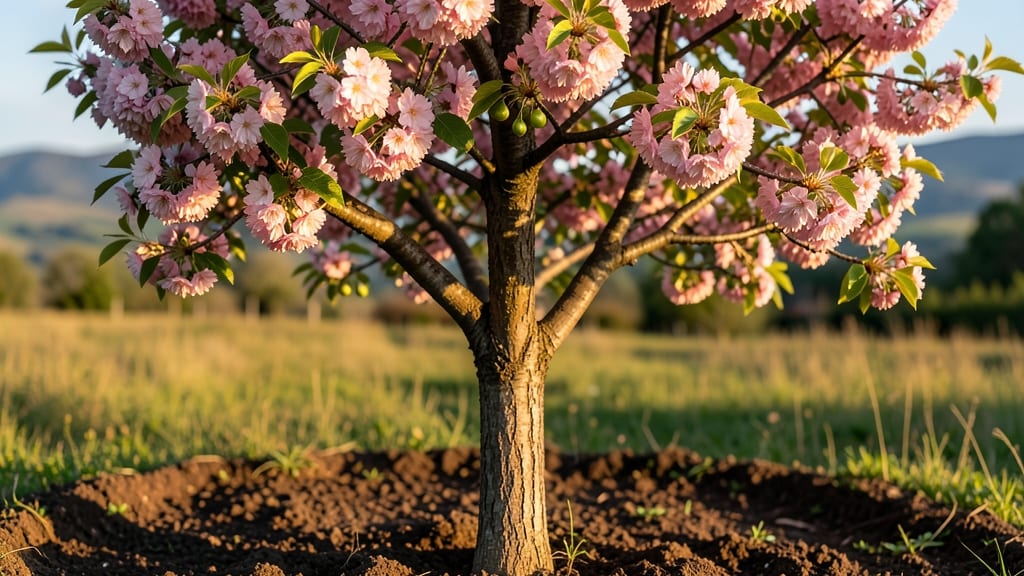
The sun requirements of a cherry tree are critical—think 6 to 8 hours of direct sunlight daily—to produce the sweet, juicy fruit you’re dreaming of 🌸.
Struggling to grow sweet, juicy cherries? Your tree’s sunlight exposure could be the hidden factor sabotaging your harvest—and fixing it could mean the difference between a handful of fruit and a lush, bountiful crop.
Most gardeners assume any sunny spot will do, but cherry trees are picky about their light. Too little sun means fewer flowers, fewer cherries, and a tree that struggles to stay healthy.
The good news? With the right placement and a few simple adjustments, you can give your cherry tree exactly what it needs to thrive.
In this guide, I’ll break down the exact sunlight hours your cherry tree needs, how to spot signs of insufficient light, and practical tips to maximize sun exposure—so you can finally enjoy that perfect cherry harvest you’ve been waiting for.


How many sunlight hours do cherry trees need for optimal fruit growth?
If you’ve ever planted a cherry tree hoping for a bountiful harvest of sweet, juicy fruit only to end up with sparse yields, your tree’s sunlight exposure might be the culprit. Cherry trees are sun-hungry plants, and their fruit production depends heavily on getting the right amount of light.
As someone who’s grown both sweet cherries and sour cherries, I’ve learned that even small differences in sunlight can drastically impact your harvest.
Most cherry trees thrive with 6 to 8 hours of direct sunlight daily, but the exact needs can vary depending on the variety. Sweet cherries often demand more sunlight than their tart counterparts, while dwarf varieties might tolerate slightly less.
Understanding these nuances is key to maximizing your tree’s potential—and avoiding the frustration of underperforming fruit.
Here’s the breakdown you need: from seasonal adjustments to measuring sunlight accurately in your garden, we’ll cover everything to ensure your cherry tree gets the light it craves for optimal fruit growth.
For sweet cherries, like the popular Bing or Rainier varieties, you’ll want to aim for at least 8 hours of sunlight daily. These trees are high-maintenance when it comes to light—they need it to develop the sugar-rich fruit we all love.
If your tree isn’t getting enough, you’ll notice smaller fruit with less flavor, or even poor flowering in the first place. I once had a Bing cherry tree in my backyard that produced almost no fruit until I moved it to a sunnier spot—now it’s my most productive tree!
On the other hand, sour cherries, such as the Montmorency or Stella varieties, are a bit more forgiving. They can thrive with 5 to 7 hours of sunlight, making them a better choice if your garden has partial shade or isn’t fully exposed to the sun.
That said, even these varieties will produce better fruit yields when they get closer to 6-7 hours of light. If you’re growing sour cherries for jams or baking, this flexibility can be a game-changer for smaller gardens.
Seasonal adjustments are crucial, especially if you’re in a cooler climate. In spring and fall, when days are shorter, your cherry tree might not get as much sunlight as it needs. To compensate, consider pruning nearby trees or structures that might be blocking light.
I’ve found that thinning out lower branches can help younger trees capture more sunlight during these transitional seasons. Additionally, if you’re growing cherries in containers, rotate the pot every few weeks to ensure even light exposure on all sides.
Measuring sunlight exposure accurately is easier than you think. Start by using a sunlight tracker or a simple app like Sun Surveyor to log how many hours of direct sunlight your garden receives each day.
Alternatively, you can use a DIY method: place a white board where your tree will be planted and mark the sun’s shadow every hour. If the shadow disappears for 6+ hours, you’re in the clear for most cherry varieties.
Pro tip: South-facing spots in the Northern Hemisphere typically get the most sunlight, so prioritize these areas for planting.
If you’re still unsure about your garden’s sunlight, watch your existing plants. Leafy greens and sun-loving herbs like rosemary or thyme are great indicators. If they’re thriving, your cherry tree will likely do well too.
Conversely, if you notice yellowing leaves or stunted growth in these plants, your cherry tree may struggle unless you take steps to improve light exposure.
One final tip: Mulching around your cherry tree can help retain moisture and regulate soil temperature, but avoid piling mulch against the trunk. Instead, create a 3-inch layer around the base (but not touching the trunk) to encourage root growth without blocking sunlight.
This small adjustment can make a big difference in your tree’s overall health and fruit production.
With the right sunlight exposure, your cherry tree can go from a struggling underperformer to a fruit-bearing powerhouse. Start by assessing your garden’s light conditions, adjust your tree’s placement if needed,
Signs your cherry tree isn’t getting enough sun (and how to fix it)
If your cherry tree isn’t producing fruit—or its leaves look pale and sparse—it might be starving for sunlight. Cherry trees thrive on 6-8 hours of direct sun daily, and when they don’t get enough, their growth suffers.
I’ve seen trees with thin canopies or few blossoms because they were tucked in the shade of taller plants or buildings.
Even partial shade can reduce fruit production by 50% or more. Without enough sunlight, your tree’s energy goes into leafy growth instead of flowering and fruiting.
If you’ve planted your cherry tree in a spot that gets less than 4 hours of sun, it’s no surprise you’re struggling to get a harvest.
⚠️ Cherry Trees Need Full Sun—Here’s Why
Minimum sunlight: 6 hours daily for survival, 8+ hours for peak fruit production. Partial shade (3-6 hours) leads to smaller fruit and fewer blooms. Deep shade (under 3 hours) causes weak growth and no fruit.
Fix it fast: Prune nearby trees, relocate the tree, or use reflective surfaces (like white walls) to bounce extra light onto the canopy.
One of the first warning signs is leaf discoloration. If your cherry tree’s leaves turn yellowish-green or develop purplish stems, it’s a cry for more sunlight. This happens because the tree stretches toward light, creating long, leggy branches with thin leaves that can’t photosynthesize efficiently.
Another red flag? Poor fruit set. Even if your tree blooms, low sunlight means those flowers won’t turn into cherries. I’ve seen trees with hundreds of blossoms but almost no fruit because they were planted under a dense canopy.
If your tree flowers but drops most of its blossoms early, it’s likely light-starved.
To fix these issues, start by pruning nearby obstacles. If a fence, wall, or taller tree is blocking sunlight, remove or trim it to open up the canopy.
If relocation isn’t an option, consider thinning the tree’s branches to let more light reach the inner growth. Aim for an open, vase-like shape to maximize sunlight exposure.
For immediate relief, add reflective mulch or white gravel around the tree’s base. This bounces extra light onto the leaves, giving your cherry tree a sunlight boost without moving it. Pair this with companion planting—like dwarf fruit trees or sun-loving perennials—to create a sun-friendly microclimate.
If your tree is still struggling after these fixes, it might be time to replant in a sunnier spot. Cherry trees are long-lived, so choosing the right location now will pay off for decades of sweet harvests.
Mark the sunniest part of your yard and watch your tree thrive! 🌿